
History and Origins of Essential Oil Blends for Seasonal Affective Disorder (SAD)
Introduction
Seasonal Affective Disorder (SAD) is a type of depression that occurs at a specific time of year, usually during the fall and winter months when daylight hours are shorter. As our understanding of mental health evolves, alternative therapies, including the use of essential oils, have gained popularity. Essential oils are concentrated extracts derived from plants, known for their aromatic properties and potential therapeutic benefits. This article explores the history and origins of essential oil blends specifically crafted for managing the symptoms of SAD.
What Is Essential Oil Blends for Seasonal Affective Disorder (SAD)?
Essential oil blends for SAD combine various plant-derived oils to create a synergistic effect that may help alleviate symptoms associated with this condition. These blends often incorporate oils known for their uplifting and mood-enhancing properties. Commonly used essential oils in these blends include lavender, bergamot, lemon, and sweet orange. Each oil contributes unique characteristics, making the combination effective in promoting emotional well-being.
The practice of using essential oils for emotional support has roots in ancient cultures, where aromatic plants were employed in rituals and daily life for their purported benefits. Today, these oils are used in various forms, including diffusers, topical applications, and inhalation techniques, to help combat the feelings of lethargy and sadness often associated with SAD.
Key Benefits and Properties
Essential oils possess various properties that can be beneficial for mental health. Here are some key benefits and properties associated with essential oils used for SAD:
1. Mood Enhancement: Many essential oils have uplifting qualities that can help improve mood. For example, bergamot is known for its ability to reduce feelings of anxiety and promote a sense of calm.
2. Stress Relief: Oils like lavender and chamomile are renowned for their relaxing effects, which can aid in reducing stress and tension often exacerbated by seasonal changes.
3. Increased Energy: Citrus oils, such as lemon and sweet orange, are often used to invigorate and energize, countering the fatigue that can accompany SAD.
4. Emotional Balance: Essential oil blends can help restore emotional balance and stability, providing a sense of grounding during challenging times.
5. Improved Sleep Quality: Some oils, such as cedarwood and vetiver, may promote better sleep, which is crucial for overall mental health.
Common Uses
Essential oil blends for SAD can be employed in various ways, allowing individuals to choose the method that suits them best. Here are some common uses:
1. Diffusion: Using an essential oil diffuser is one of the most popular methods of dispersing oils into the air. This method allows for the gradual release of aroma, creating an uplifting environment.
2. Topical Application: Essential oils can be diluted with carrier oils and applied to the skin. This method may provide localized relief and enhance the overall experience of the oil blend.
3. Inhalation: Direct inhalation from the bottle or via a cotton ball can deliver a quick burst of aroma, making it a convenient option for on-the-go support.
4. Bathing: Adding essential oils to bathwater can create a soothing experience. The combination of warm water and aromatherapy can be particularly comforting during colder months.
5. Massage: Incorporating essential oils into massage therapy can enhance relaxation and promote emotional release.
Aromatherapy Applications
Aromatherapy is the practice of utilizing essential oils to improve physical, emotional, and mental well-being. When it comes to SAD, aromatherapy applications can be particularly beneficial. Here are several ways to incorporate essential oil blends into an aromatherapy practice:
1. Personal Inhalers: These portable inhalers can be filled with essential oil blends for easy access throughout the day. They provide a discreet way to uplift mood wherever you are.
2. Room Sprays: Creating a room spray with essential oils can help transform your living space into a sanctuary of positivity and light.
3. Meditation and Mindfulness: Using essential oils during meditation can enhance the experience, promoting a deeper sense of calm and focus.
4. Yoga Practices: Incorporating essential oils into yoga routines can elevate the practice, enhancing relaxation and emotional release.
5. Seasonal Rituals: Using essential oils in seasonal rituals, such as lighting candles or setting intentions, can help create a more mindful approach to the changing seasons.
Safety Considerations
While essential oils are natural, they are potent substances that require careful handling. Here are some key safety considerations:
1. Dilution: Always dilute essential oils with a carrier oil before applying them to the skin to prevent irritation.
2. Patch Test: Conduct a patch test on a small area of skin to check for any allergic reactions before widespread use.
3. Quality of Oils: Choose high-quality, pure essential oils from reputable sources to ensure safety and efficacy.
4. Consultation: If you have existing health concerns or are pregnant, consult a healthcare professional before using essential oils.
5. Avoid Ingestion: Essential oils should not be ingested unless under the guidance of a qualified professional.
Storage and Shelf Life
Proper storage of essential oils is crucial to maintaining their quality. Here are some guidelines:
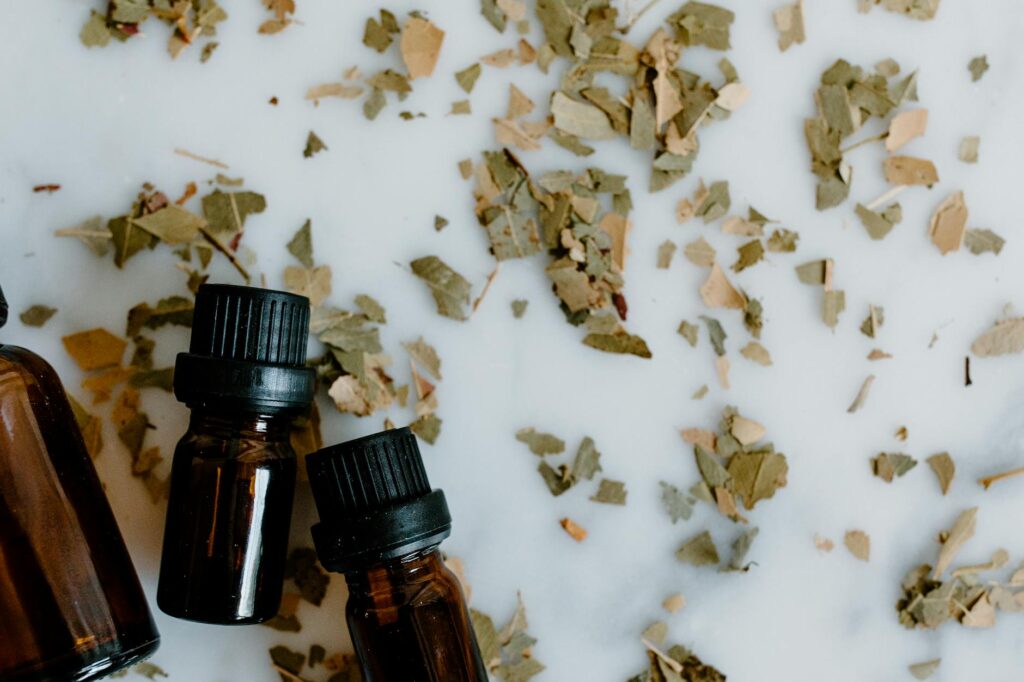
1. Dark Containers: Store essential oils in dark glass bottles to protect them from light exposure, which can degrade their quality.
2. Cool, Dry Place: Keep oils in a cool, dry place away from direct sunlight and heat sources.
3. Tightly Sealed: Ensure that bottles are tightly sealed to prevent oxidation and evaporation.
4. Shelf Life: Most essential oils have a shelf life of 1 to 3 years, depending on the type. Citrus oils tend to have a shorter shelf life, while oils like sandalwood and patchouli can last longer.
Frequently Asked Questions
Can essential oil blends completely cure SAD?
While essential oil blends may help alleviate some symptoms of SAD, they should not be considered a cure. They can be a complementary approach to managing emotional well-being, but professional advice and treatment should be sought for comprehensive care.
How do I know which essential oils to choose for SAD?
Choosing essential oils often comes down to personal preference and individual responses to different scents. Oils known for uplifting properties, such as bergamot, lemon, and lavender, are commonly recommended for SAD. It may be beneficial to experiment with different blends to find what resonates with you.
Are there any side effects associated with essential oils?
While essential oils are generally safe when used correctly, potential side effects can include skin irritation, allergic reactions, or respiratory issues if inhaled in excess. It’s essential to follow safety guidelines and consult a healthcare professional if you have concerns.
Can I use essential oils if I am pregnant?
Pregnant individuals should exercise caution with essential oil use and consult a healthcare provider for guidance regarding specific oils and their safety.
How often should I use essential oil blends for SAD?
The frequency of use can vary based on individual preference and response. Many people find it helpful to incorporate essential oils into their daily routines, especially during the months when SAD symptoms are most pronounced.
—
In conclusion, the history and origins of essential oil blends for Seasonal Affective Disorder reveal a rich tapestry of ancient practices and modern applications. While essential oils offer a promising avenue for emotional support, they should be utilized thoughtfully within a broader context of self-care and mental health. By understanding their properties, uses, and safety considerations, individuals can create personalized rituals that may help brighten their spirits during the darker months of the year.