
History and Origins of Essential Oil Blends for Seasonal Allergies
Introduction
Essential oils have been utilized for thousands of years across various cultures for their therapeutic properties, aromatic qualities, and holistic approaches to health and well-being. Among the myriad applications of essential oils, blends specifically designed for seasonal allergies have garnered attention in modern wellness practices. This article delves into the historical context and origins of these blends, exploring their formulation, benefits, and practical applications.
What Are Essential Oil Blends for Seasonal Allergies?
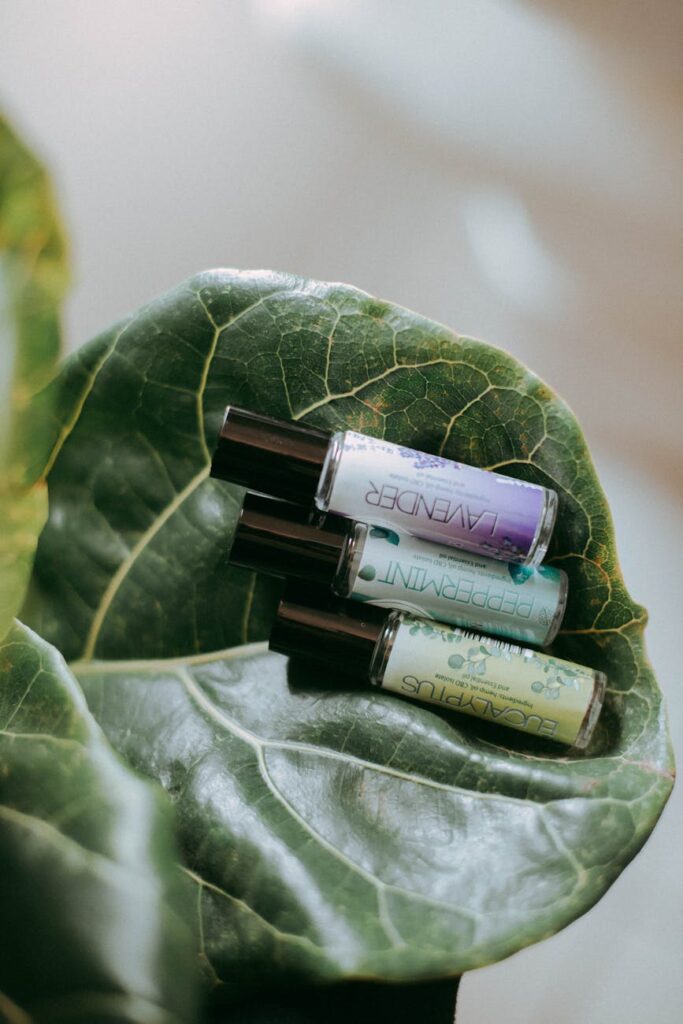
Essential oil blends for seasonal allergies are combinations of concentrated plant extracts known for their potential to alleviate symptoms associated with seasonal allergic reactions, such as hay fever. These blends typically feature a variety of essential oils, each selected for its individual properties and synergistic effects when combined with others. Common ingredients may include oils derived from plants like lavender, peppermint, eucalyptus, and tea tree, among others.
Historically, the use of aromatic plants to support respiratory health can be traced back to ancient civilizations. The Egyptians, Greeks, and Romans incorporated various aromatic herbs into their medicinal practices, often blending them to enhance their therapeutic effects.
Key Benefits and Properties
The essential oils commonly found in allergy blends possess a range of properties that may contribute to alleviating allergy symptoms:
1. Anti-inflammatory: Many essential oils have anti-inflammatory properties that may help reduce swelling and irritation in the respiratory tract.
2. Antimicrobial: Certain oils, such as tea tree and eucalyptus, are known for their antimicrobial effects, which can support overall respiratory health.
3. Decongestant: Oils like peppermint and eucalyptus can act as natural decongestants, helping to clear nasal passages and ease breathing.
4. Calming: Oils such as lavender are recognized for their calming effects, which can help reduce stress and promote relaxation during allergy flare-ups.
5. Expectorant: Some essential oils can promote the expulsion of mucus, aiding in respiratory function.
Common Uses
Essential oil blends for seasonal allergies can be employed in various ways, depending on individual preferences and needs. Some common methods of use include:
- Diffusion: Adding essential oils to a diffuser can disperse the aroma throughout a room, creating a pleasant and potentially therapeutic atmosphere.
- Inhalation: Direct inhalation of essential oils can provide immediate relief. This can be done using a tissue or a personal inhaler.
- Topical Application: Essential oils can be diluted with a carrier oil and applied to pulse points, such as wrists or temples, for localized relief.
- Bathing: Adding essential oils to bathwater can create a relaxing and aromatic experience that may help alleviate allergy symptoms.
- Steam Inhalation: Creating a steam inhalation with essential oils can provide deep respiratory benefits, especially for those with congestion.
- Personalized Blends: Crafting custom blends that address specific allergy symptoms.
- Guided Sessions: Utilizing essential oils in conjunction with relaxation techniques to promote overall well-being.
- Workshops: Educating individuals on how to create their own blends and use them effectively at home.
- Dilution: Essential oils are highly concentrated and should be diluted with a carrier oil before topical application to avoid skin irritation.
- Patch Testing: Conduct a patch test on a small area of skin to check for allergic reactions or sensitivities.
- Consultation: Individuals with existing health conditions, pregnant or nursing women, and children should consult with a qualified professional before using essential oils.
- Quality: Choose high-quality, pure essential oils from reputable sources to ensure safety and efficacy.
- Avoid Eye Contact: Essential oils can cause irritation if they come into contact with the eyes; care should be taken during application.
- Cool, Dark Place: Store essential oils away from direct sunlight and heat, ideally in a cool, dark environment.
- Tightly Sealed Containers: Ensure that bottles are tightly sealed to prevent oxidation and contamination.
- Original Packaging: Keep oils in their original, labeled containers to avoid confusion and ensure safety.
Aromatherapy Applications
Aromatherapy, the practice of using essential oils to enhance physical and emotional well-being, includes the application of essential oil blends for seasonal allergies. Aromatherapists often recommend specific blends tailored to individual needs, considering factors such as the severity of symptoms, personal preferences, and any existing health conditions.
In professional settings, aromatherapy might involve:
The ancient practice of aromatherapy can be traced back to civilizations such as the Egyptians, who used scented oils in rituals, as well as the Chinese, who incorporated aromatic plants into traditional medicine. These practices laid the groundwork for the modern understanding of essential oil applications.
Safety Considerations
While essential oils can offer benefits, it is crucial to approach their use with caution. Here are some safety considerations:
Storage and Shelf Life
Proper storage of essential oils is essential to maintain their potency and effectiveness. Here are some tips for optimal storage:
The shelf life of essential oils varies depending on the type, but most oils can last from 1 to 5 years when stored correctly. Citrus oils tend to have shorter shelf lives, while oils like sandalwood and patchouli can improve with age.
Frequently Asked Questions
1. Can essential oil blends completely eliminate seasonal allergies?
While essential oil blends may help alleviate symptoms associated with seasonal allergies, they should not be viewed as a cure. Individual experiences may vary, and it is essential to approach treatment holistically.
2. Are there specific essential oils that are more effective for allergies?
Some commonly reported essential oils for allergy relief include eucalyptus, peppermint, lavender, and tea tree. However, effectiveness can vary from person to person.
3. Can I use essential oils if I have asthma or other respiratory conditions?
Individuals with respiratory conditions should consult a healthcare professional before using essential oils, as some oils may trigger sensitivities or exacerbate symptoms.
4. How can I create my own essential oil blend for allergies?
To create a blend, start with a base oil (such as sweet almond or jojoba oil) and add a few drops of your chosen essential oils. A common ratio is 2-3% essential oil to carrier oil, but this can be adjusted based on your preferences and skin sensitivity.
5. Can I use essential oils in combination with other allergy treatments?
Essential oils can complement other treatments, but it is advisable to consult with a healthcare provider to ensure that there are no contraindications.
Conclusion
The history and origins of essential oil blends for seasonal allergies reflect a long-standing tradition of utilizing nature’s resources for well-being. By understanding their properties, benefits, and applications, individuals can make informed choices about incorporating essential oils into their seasonal allergy management strategies. As with any natural remedy, a thoughtful and cautious approach will support the safe and effective use of these aromatic wonders.