
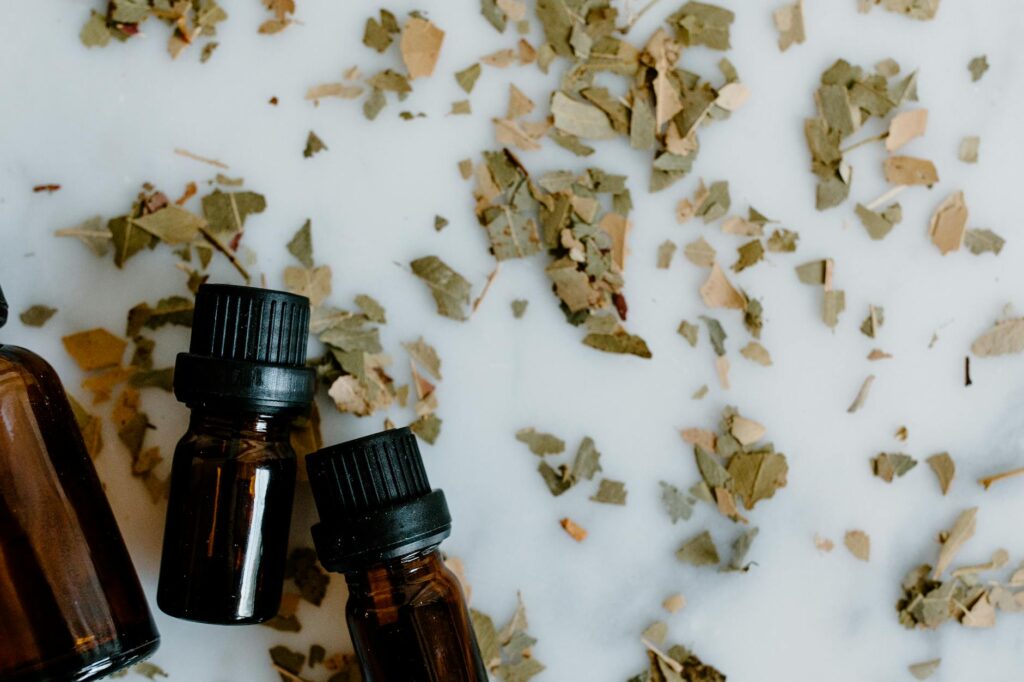
History and Origins of Essential Oil Blends for Seasonal Transitions and Immune Support in Adults
Introduction
The use of essential oils and their blends has a rich and varied history that spans thousands of years across multiple cultures. From ancient civilizations to modern holistic practices, essential oils have been utilized for their aromatic and therapeutic properties. This article delves into the history and origins of essential oil blends specifically crafted for seasonal transitions and immune support in adults, exploring their benefits, common uses, and applications in aromatherapy.
What Are Essential Oil Blends for Seasonal Transitions and Immune Support in Adults?
Essential oil blends designed for seasonal transitions and immune support are combinations of various essential oils that aim to promote well-being during times of environmental change. These blends typically incorporate oils known for their uplifting, calming, or immune-boosting properties. Seasonal transitions, such as the shift from winter to spring or summer to autumn, can sometimes lead to physical and emotional challenges. Essential oils can provide a natural approach to support the body and mind during these periods.
Historical Context
The integration of essential oils into health and wellness practices dates back to ancient Egypt, where oils were used in rituals, cosmetics, and embalming processes. The Greeks and Romans also recognized the benefits of aromatics, utilizing them in baths and as treatments for various ailments. By the Middle Ages, essential oils had spread throughout Europe, influencing the development of herbal medicine and apothecary practices.
Key Benefits and Properties
The benefits of essential oil blends for seasonal transitions and immune support are largely attributed to the individual properties of the oils used. Some key benefits include:
1. Immune Support: Certain oils, such as tea tree and eucalyptus, are known for their antimicrobial properties, potentially helping to bolster the immune system during seasonal changes.
2. Emotional Balance: Oils like lavender and bergamot are celebrated for their calming effects, which can help mitigate seasonal mood fluctuations.
3. Respiratory Health: Blends containing peppermint and lemon may assist with respiratory function, making them particularly useful during allergy seasons or when transitioning to colder weather.
4. Stress Relief: Many essential oils have adaptogenic qualities, helping the body cope with stress and promoting a sense of tranquility.
5. Energy Boost: Citrus oils like orange and grapefruit are often included in blends for their uplifting and energizing effects, combating lethargy that can occur during seasonal transitions.
Common Uses
Essential oil blends for seasonal transitions and immune support can be utilized in various ways, including:
- Diffusion: Adding a few drops of the blend to an essential oil diffuser can disperse the aroma throughout a room, creating an uplifting atmosphere.
- Topical Application: Diluting the blend with a carrier oil and applying it to pulse points, such as wrists or behind the ears, can provide a direct therapeutic effect.
- Inhalation: Inhaling the scent directly from the bottle or through a tissue can offer immediate sensory benefits.
- Bathing: Adding essential oils to bathwater can create a soothing experience, enhancing relaxation and promoting emotional balance.
- Dilution: Essential oils are highly concentrated and should always be diluted with a carrier oil before topical application to prevent skin irritation.
- Allergic Reactions: A patch test is recommended before applying a new oil blend to ensure there are no adverse reactions.
- Pregnancy and Health Conditions: Individuals who are pregnant, nursing, or have specific health conditions should consult with a healthcare professional before using essential oils.
- Children and Pets: Some essential oils can be harmful to children or pets. It is important to research the safety of any oils before using them in a household with vulnerable individuals.
- Containers: Use dark glass bottles to protect oils from light degradation.
- Tight Seals: Ensure that bottles are tightly sealed to prevent oxidation.
- Shelf Life: Most essential oils have a shelf life of 1 to 3 years, but this can vary based on the type of oil. Citrus oils tend to have a shorter shelf life compared to woody oils.
Aromatherapy Applications
Aromatherapy, the practice of using essential oils for therapeutic benefits, is a prominent application of essential oil blends. Various methods can be employed to harness the power of these oils:
Diffusion
Diffusion is one of the most popular methods for using essential oils. By dispersing the oils into the air, their aromatic properties can be enjoyed throughout a space. This method is particularly beneficial for creating a calming environment during seasonal transitions.
Inhalation
Inhalation is a quick way to experience the effects of essential oils. The olfactory system is closely linked to the emotional center of the brain, making inhalation a powerful technique for mood enhancement and stress relief.
Massage
Incorporating essential oils into massage not only enhances the experience but also allows for the absorption of oils through the skin. When blended with a carrier oil, these mixtures can provide both physical and emotional benefits.
Bathing
Adding essential oil blends to baths can create a multi-sensory experience that promotes relaxation and tranquility. The warmth of the water helps to release the oils’ aromatic compounds, allowing for inhalation while also benefiting the skin.
Safety Considerations
While essential oils are generally safe when used correctly, certain precautions should be taken, particularly when combining oils or applying them topically:
Storage and Shelf Life
Proper storage of essential oils is crucial to maintaining their potency and effectiveness. Oils should be kept in a cool, dark place, away from direct sunlight and heat. Here are some key storage tips:
Frequently Asked Questions
1. Can I create my own essential oil blends for seasonal transitions and immune support?
Yes, many individuals enjoy creating their own blends. However, it is important to research the properties and safety of the oils you choose to use.
2. How do I know which essential oils to use for immune support?
Researching the properties of various essential oils can guide your selection. Oils such as tea tree, eucalyptus, and oregano are often recognized for their immune-supporting qualities.
3. Are there any essential oils I should avoid during pregnancy?
Certain essential oils, such as rosemary and sage, may not be recommended during pregnancy. Always consult a healthcare professional for personalized advice.
4. How can I incorporate essential oils into my daily routine?
You can incorporate essential oils into your daily routine through diffusion, topical application, or by adding them to your bath. Experimenting with different methods can help you find what works best for you.
5. Can essential oils replace traditional medicine?
Essential oils can complement traditional medicine but should not be used as a substitute for medical treatment. Always consult a healthcare provider for any health concerns.
Conclusion
The history and origins of essential oil blends for seasonal transitions and immune support are steeped in ancient traditions and modern practices. As more individuals seek natural solutions for wellness, the use of essential oils continues to evolve. Understanding their properties, benefits, and safe applications can enhance your experience with these aromatic compounds, offering a holistic approach to well-being during seasonal changes.