
History and Origins of Essential Oil Blends for Seasonal Transitions and Mood Stabilization
Introduction
Essential oils have been utilized for thousands of years across various cultures for their aromatic and therapeutic properties. As the seasons shift and our moods fluctuate, the use of essential oil blends for seasonal transitions and mood stabilization has gained popularity. This article delves into the history and origins of these blends, examining how they have evolved over time and their significance in contemporary aromatherapy practices.
What Is Essential Oil Blends for Seasonal Transitions and Mood Stabilization?
Essential oil blends for seasonal transitions and mood stabilization consist of carefully selected aromatic compounds derived from plants. These blends are designed to promote emotional well-being and support individuals during periods of change, such as the transition from winter to spring or summer to autumn.
The essential oils used in these blends can encompass a variety of plant parts, including leaves, flowers, bark, and roots. Each essential oil possesses unique properties, which can contribute to a balanced emotional state and a smoother adjustment to seasonal changes.
Key Benefits and Properties
The benefits of essential oil blends for seasonal transitions and mood stabilization can be extensive. Some key properties include:
- Uplifting and Calming Effects: Many essential oils, such as citrus oils (e.g., lemon, orange) and floral oils (e.g., lavender, geranium), are known for their uplifting and calming effects. These properties can help individuals cope with mood swings that accompany seasonal changes.
- Stress Relief: Essential oil blends may reduce stress and anxiety. Oils like chamomile and bergamot are often included in blends for their ability to promote relaxation and tranquility.
- Emotional Balance: Certain oils, such as ylang-ylang and frankincense, are associated with emotional balance and grounding, which can be beneficial during times of transition.
- Energy and Vitality: Some blends are designed to invigorate and energize, countering feelings of lethargy that can occur during darker months or post-holiday slumps.
- Diffusion: One of the most popular methods for utilizing essential oil blends involves diffusing them into the air. This method allows the aromatic compounds to be inhaled, promoting mood enhancement and relaxation.
- Topical Application: Blends can be diluted with a carrier oil and applied to the skin. Common application points include pulse points, the back of the neck, or the wrists.
- Baths: Adding essential oil blends to bathwater can create a soothing and aromatic experience, enhancing relaxation and emotional well-being.
- Inhalation: For immediate effects, individuals may inhale blends directly from the bottle or use an inhaler designed for aromatherapy.
- Spring Awakening: Typically featuring uplifting oils like grapefruit, peppermint, and rosemary, this blend is designed to energize and refresh after the lethargy of winter.
- Summer Serenity: Blends incorporating oils like lavender, chamomile, and sweet orange can help maintain calmness amidst the heat and vibrancy of summer.
- Autumn Harvest: Essential oils such as cedarwood, clary sage, and cinnamon can be used to create grounding blends that provide comfort and warmth during the cooler months.
- Winter Comfort: Oils like frankincense, myrrh, and bergamot are often included in blends to promote a sense of peace and reflection during the introspective winter months.
- Dilution: Essential oils are highly concentrated and should be diluted with a carrier oil before topical application to prevent skin irritation.
- Sensitivity Testing: Individuals should perform a patch test to check for allergic reactions before using a new oil or blend.
- Pregnancy and Nursing: Certain essential oils may not be safe for use during pregnancy or breastfeeding. Consulting with a healthcare professional is recommended.
- Pre-existing Conditions: Individuals with certain medical conditions, such as epilepsy or asthma, should exercise caution and consult healthcare professionals before using essential oils.
- Storage: Essential oils should be stored in a cool, dark place to maintain their potency and prevent degradation.
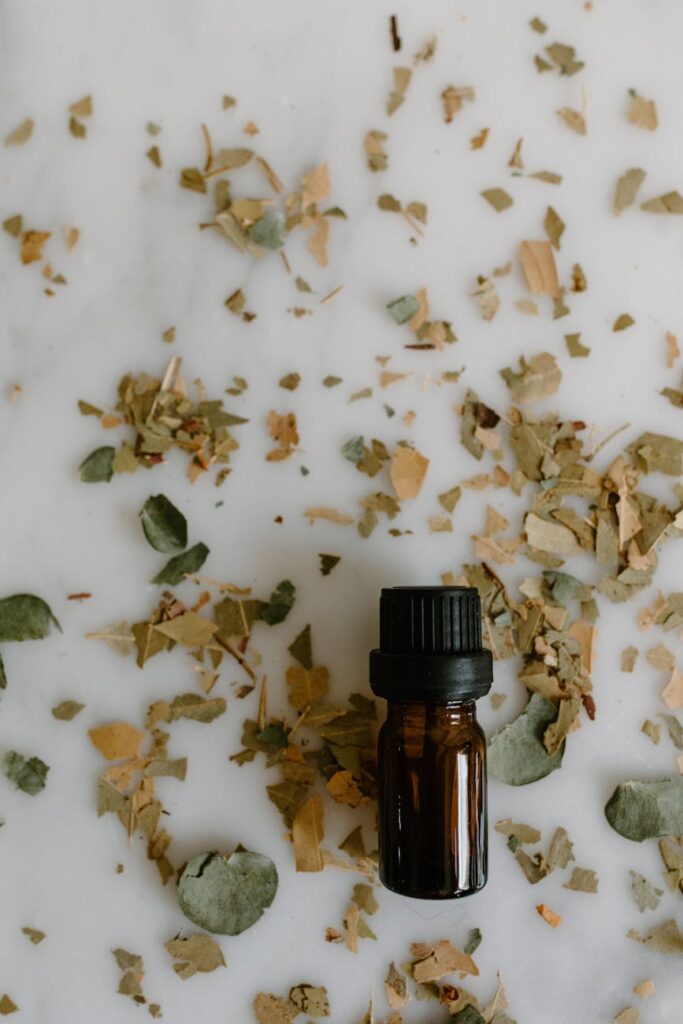
- Containers: Essential oils should be stored in dark glass bottles to protect them from light, which can cause degradation.
- Temperature: Keeping oils in a cool environment is crucial. Heat can alter the chemical composition of essential oils, reducing their effectiveness.
- Shelf Life: The shelf life of essential oils varies by type. Citrus oils generally have a shorter shelf life (about 1-2 years), while oils like sandalwood or patchouli may last longer (up to 10 years or more). It is advisable to check for any changes in scent or clarity, which may indicate that the oil has degraded.
Common Uses
Essential oil blends for seasonal transitions and mood stabilization can be used in various ways:
Aromatherapy Applications
Aromatherapy, the practice of using essential oils for therapeutic benefits, plays a crucial role in the application of essential oil blends for mood stabilization. Historically, cultures around the world, from ancient Egypt to traditional Chinese medicine, recognized the connection between scent and emotional health.
In contemporary practices, aromatherapists often customize blends based on individual needs, seasonal changes, and specific emotional states. Some popular seasonal blends include:
Safety Considerations
While essential oil blends can be beneficial, it is crucial to approach their use with caution. Here are some safety considerations:
Storage and Shelf Life
Proper storage is essential for preserving the integrity of essential oil blends. Here are some guidelines:
Frequently Asked Questions
What are the best essential oils for mood stabilization?
Commonly recommended essential oils for mood stabilization include lavender, bergamot, frankincense, and ylang-ylang. Each oil offers unique properties that can help promote emotional balance.
Can essential oil blends help with anxiety?
While many individuals find relief from stress and anxiety through the use of essential oil blends, it is important to note that results may vary. Consulting with a qualified professional can provide tailored advice.
How do I create my own essential oil blend for seasonal transitions?
To create your own blend, start with a base oil (such as sweet almond or jojoba) and add a few drops of essential oils that resonate with your needs. It is advisable to start with a small number of oils (2-4) to ensure a harmonious blend.
Are there any essential oils to avoid during pregnancy?
Certain essential oils, such as clary sage, rosemary, and wintergreen, are generally advised against during pregnancy. Always consult with a healthcare provider for personalized recommendations.
How often can I use essential oil blends?
The frequency of use may vary based on individual preferences and sensitivities. It is advisable to start with a small amount and assess how your body responds before increasing usage.
Conclusion
The history and origins of essential oil blends for seasonal transitions and mood stabilization reveal a rich tapestry of cultural practices and evolving knowledge. With a variety of applications and benefits, these blends continue to offer support in navigating the emotional landscape of seasonal changes. As scientific research expands our understanding of aromatherapy, the timeless tradition of harnessing the power of essential oils remains a valuable tool for enhancing well-being.