
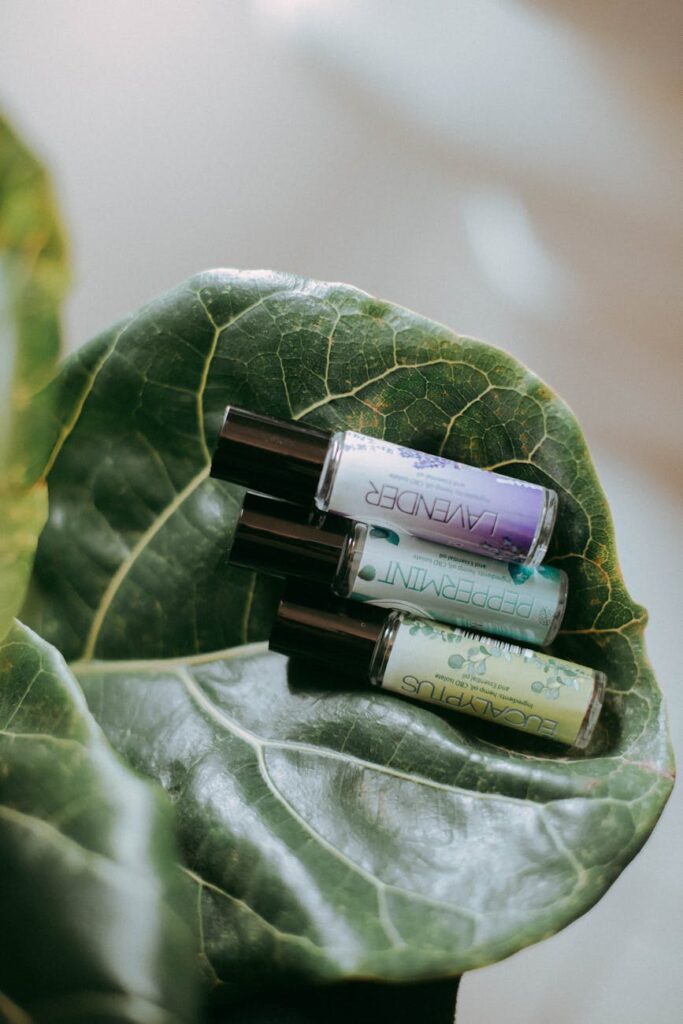
History and Origins of Essential Oil Blends for Sleep Quality Improvement and Relaxation
Introduction
Essential oils have been utilized for thousands of years across various cultures for their healing and therapeutic properties. The practice of blending these oils for specific purposes, such as enhancing sleep quality and promoting relaxation, has a rich history. This article explores the origins and historical significance of essential oil blends focused on sleep and relaxation, alongside their benefits, applications, and safety considerations.
What Are Essential Oil Blends for Sleep Quality Improvement and Relaxation?
Essential oil blends are combinations of different essential oils, each chosen for its unique properties and scent profile. When specifically designed for sleep quality improvement and relaxation, these blends often include oils known to induce calmness, reduce anxiety, and promote a restful state. Common oils in these blends include Lavender (Lavandula angustifolia), Chamomile (Matricaria chamomilla), Bergamot (Citrus bergamia), and Frankincense (Boswellia sacra), among others.
Historically, the art of blending essential oils can be traced back to ancient civilizations, including the Egyptians, Greeks, and Romans, who recognized the synergistic effects of combining various botanical extracts.
Key Benefits and Properties
The primary benefits of essential oil blends for sleep and relaxation revolve around their ability to enhance emotional well-being and physiological responses. Some key properties include:
1. Sedative Effects: Several essential oils, such as Lavender and Chamomile, are known for their natural sedative properties, which can help ease the mind and body into a restful state.
2. Anxiolytic Properties: Oils like Bergamot and Ylang Ylang (Cananga odorata) may help reduce feelings of anxiety and stress, promoting a more tranquil environment conducive to sleep.
3. Sleep Cycle Regulation: Certain blends can aid in balancing the sleep-wake cycle, thereby improving overall sleep quality.
4. Mood Enhancement: Aromatic experiences can influence mood positively, aiding in the transition from wakefulness to sleep.
Common Uses
Essential oil blends for sleep improvement and relaxation can be used in various ways:
1. Diffusion: Using a diffuser to disperse the essential oils into the air allows for continuous inhalation, which can create a calming atmosphere in a bedroom or relaxation space.
2. Topical Application: Diluting essential oils in carrier oils (such as coconut or jojoba oil) and applying them to pulse points or the soles of the feet can enhance their calming effects.
3. Bathing: Adding essential oil blends to bathwater can create a soothing, aromatic experience, contributing to relaxation and tranquility.
4. Pillow Sprays: Spraying diluted essential oil blends onto pillows or bed linens can promote a sense of comfort and relaxation while preparing for sleep.
Aromatherapy Applications
Aromatherapy, the practice of using aromatic plant extracts for therapeutic benefits, has long included essential oil blends designed for relaxation and improved sleep. The following are some common applications:
1. Relaxation Spaces: Creating a designated relaxation area in the home can enhance the effectiveness of essential oil blends. This space may include soft lighting, comfortable seating, and a diffuser.
2. Sleep Rituals: Incorporating essential oil blends into bedtime rituals can signal the body and mind that it is time to wind down. This can include meditation, gentle stretches, or reading.
3. Mindfulness Practices: Integrating essential oils into mindfulness practices, such as yoga or meditation, can elevate the experience, allowing for deeper relaxation.
4. Massage Therapy: Combining essential oil blends with massage techniques can enhance relaxation while also providing physical relief from tension.
Safety Considerations
While essential oils are generally safe when used appropriately, there are several safety considerations to keep in mind:
1. Dilution: Essential oils should be diluted before topical application to prevent skin irritation. A common dilution ratio is 2-3 drops of essential oil per teaspoon of carrier oil.
2. Patch Test: Conducting a patch test before using a new essential oil blend topically can help determine sensitivity or allergic reactions.
3. Pregnancy and Nursing: Pregnant or nursing individuals should consult with a healthcare professional before using essential oils, as certain oils may not be safe during these periods.
4. Children and Pets: Special care should be taken when using essential oils around children and pets, as some oils may be toxic to them.
5. Quality of Oils: It is essential to use high-quality, pure essential oils from reputable sources to ensure safety and efficacy. Adulterated or synthetic oils may not provide the intended benefits and can pose health risks.
Storage and Shelf Life
The longevity of essential oils can vary based on their chemical composition and storage conditions. Here are some guidelines for optimal storage:
1. Dark Glass Bottles: Essential oils should be stored in dark glass containers to protect them from light, which can degrade their quality.
2. Cool, Dry Place: Keeping essential oils in a cool, dry location away from direct sunlight and heat can help maintain their potency.
3. Shelf Life: While some essential oils can last for several years, others may have a shorter shelf life. Citrus oils, for example, generally last around 1-2 years, whereas oils like Sandalwood (Santalum album) may last significantly longer.
4. Signs of Spoilage: Changes in color, consistency, or scent can indicate that an essential oil has gone bad. It is advisable to dispose of oils that show these signs.
Frequently Asked Questions
1. What are some popular essential oil blends for sleep?
Common blends for sleep include Lavender and Bergamot, Chamomile and Frankincense, and Cedarwood (Cedrus atlantica) with Ylang Ylang.
2. How long does it take for essential oils to work for sleep?
The effects of essential oils can vary from person to person. Many individuals report feeling an immediate sense of calm upon inhalation, while for others, consistent use over time may yield the best results.
3. Can I use essential oils if I have allergies?
Individuals with allergies should exercise caution and consult with a healthcare professional before using essential oils. A patch test may also help determine sensitivity.
4. Are essential oils safe for children?
While some essential oils can be safe for children when used appropriately, it is crucial to consult with a healthcare professional for guidance on which oils are suitable and how to use them safely.
5. What should I do if I experience irritation from essential oils?
If irritation occurs, discontinue use and wash the affected area with soap and water. Applying a carrier oil can also help soothe the area. If irritation persists, consult a healthcare professional.
Conclusion
The history and origins of essential oil blends for sleep quality improvement and relaxation reflect a time-honored tradition of harnessing nature’s bounty for emotional and physical well-being. As interest in holistic practices continues to grow, understanding the benefits, applications, and safety considerations of these aromatic blends can empower individuals to create their own relaxing environments, ultimately enhancing their quality of sleep and daily life.