
History and Origins of Essential Oil Blends for Sleep Quality Improvement
Introduction
The quest for restful sleep has spanned centuries, with cultures around the world seeking natural remedies to improve sleep quality. Among these remedies, essential oils and their blends have gained significant traction, particularly in the field of aromatherapy. This article delves into the history and origins of essential oil blends specifically designed to promote better sleep, exploring their benefits, common uses, and applications in aromatherapy.
What Is Essential Oil Blends for Sleep Quality Improvement?
Essential oil blends for sleep quality improvement are carefully formulated mixtures of aromatic plant extracts that aim to foster relaxation and enhance sleep. These blends often include oils known for their sedative, calming, and soothing properties. When inhaled or applied topically, these blends can create an environment conducive to sleep, thereby aiding individuals in overcoming sleep disturbances.
Historically, different cultures have developed their unique blends based on local flora, traditional practices, and empirical knowledge. The careful selection of essential oils in these blends often reflects a deep understanding of plant properties, as well as the psychological and physiological effects of fragrances on the human body.
Key Benefits and Properties
Essential oil blends for sleep quality improvement offer a range of benefits:
1. Promotes Relaxation: Many essential oils, such as lavender and chamomile, have calming properties that help reduce stress and anxiety, making it easier to wind down before bedtime.
2. Enhances Sleep Quality: Certain oils can help induce deeper, more restorative sleep cycles by promoting a sense of calm and tranquility.
3. Reduces Sleep Onset Latency: Some essential oils may assist in reducing the time it takes to fall asleep, allowing users to transition into slumber more effortlessly.
4. Improves Mood: Aromatic compounds found in essential oils can elevate mood, potentially alleviating feelings of worry or restlessness that often accompany insomnia.
5. Supports Respiratory Health: Certain oils, like eucalyptus or peppermint, can help clear the airways, facilitating easier breathing during sleep.
The properties of these oils often derive from their chemical constituents, which can have varying effects on the body and mind.
Common Uses
Essential oil blends for sleep are versatile and can be utilized in several ways:
- Diffusion: One of the most popular methods, using a diffuser disperses the essential oils into the air, allowing for inhalation while relaxing or preparing for bed.
- Topical Application: Blends can be diluted with a carrier oil and applied to pulse points, such as wrists, neck, or temples. This method allows for both inhalation and dermal absorption.
- Bathing: Adding essential oils to a warm bath can create a soothing environment, promoting relaxation and pre-sleep rituals.
- Pillow Sprays: A combination of essential oils and water can be used as a pillow spray, providing a direct aromatic experience while sleeping.
- Sleep Masks: Infusing sleep masks with essential oils can also enhance the experience of relaxation and support sleep.
- Lavender (Lavandula angustifolia): Renowned for its calming effects, lavender is often at the forefront of sleep blends.
- Bergamot (Citrus bergamia): This citrus oil can help alleviate anxiety and promote relaxation.
- Cedarwood (Cedrus atlantica): Known for its grounding properties, cedarwood can create a sense of comfort and security.
- Sandalwood (Santalum album): With its rich, warm aroma, sandalwood can help quiet the mind and induce tranquility.
- Roman Chamomile (Chamaemelum nobile): This oil is celebrated for its gentle sedative effects, making it a popular choice in sleep formulations.
- Cool, Dark Place: Essential oils should be stored in a cool, dark place away from direct sunlight and heat sources, which can degrade the oils over time.
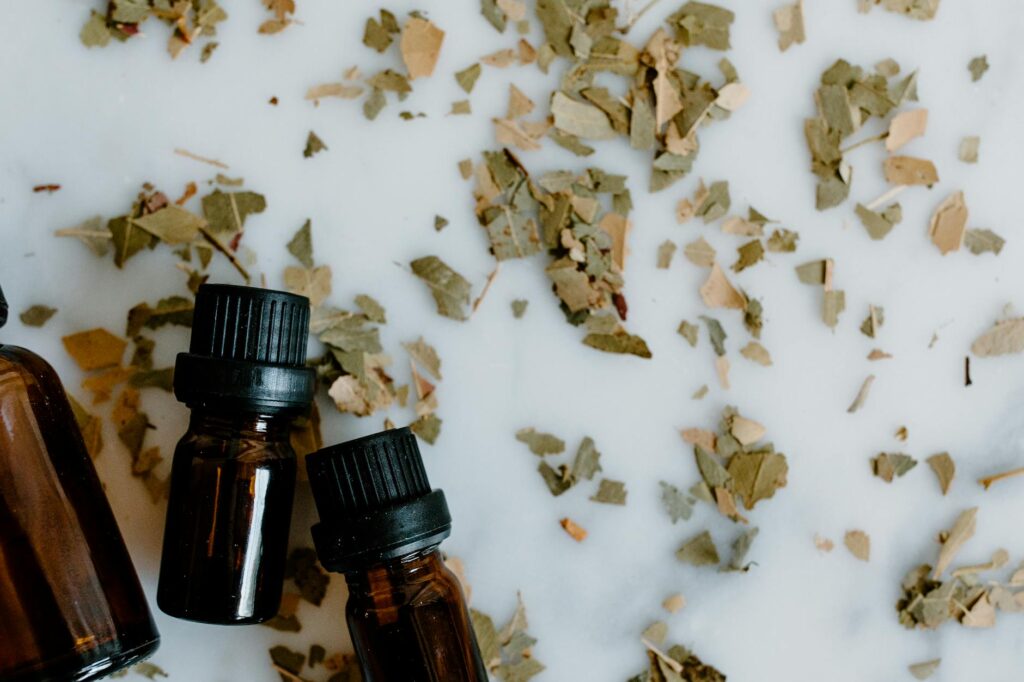
- Tight-Sealing Containers: Amber or cobalt blue glass bottles are ideal for storing essential oils, as they protect the contents from light and air exposure.
- Expiration: While many essential oils have a long shelf life, they can vary significantly. Citrus oils generally have a shorter shelf life, while oils like patchouli or sandalwood may improve with age.
- Selecting a blend often comes down to personal preference. Consider your specific needs and sensitivities, and explore different oils to find what resonates with you.
- While many individuals report improved sleep quality with essential oils, results can vary, and they should not be considered a cure for sleep disorders.
- Essential oil blends can be used nightly as part of a bedtime routine. However, it’s essential to monitor for any adverse reactions and adjust usage accordingly.
- Oils that are stimulating, such as peppermint or citrus oils, may not be ideal for nighttime use. Instead, opt for calming oils known for their sedative properties.
- Yes, creating your own blend can be a rewarding experience. Start with a base oil and gradually add other oils until you find a combination that you enjoy.
Aromatherapy Applications
Aromatherapy, the practice of using essential oils for therapeutic benefits, has a rich history that dates back to ancient civilizations. The Egyptians utilized essential oils for spiritual practices and healing, while ancient Greeks and Romans recognized their value for relaxation and wellness.
In modern aromatherapy, various essential oils are combined to create effective blends for sleep improvement:
The combination and proportion of these oils can vary, depending on individual preferences and specific goals.
Safety Considerations
While essential oils are generally considered safe when used properly, there are important safety considerations to keep in mind:
1. Dilution: Essential oils should be diluted with a carrier oil before topical application to prevent skin irritation.
2. Quality of Oils: Not all essential oils are created equal. It is essential to choose high-quality, pure oils from reputable sources to ensure safety and efficacy.
3. Allergies and Sensitivities: Individuals with known allergies or sensitivities should proceed with caution and conduct a patch test before using a new essential oil blend.
4. Pregnancy and Nursing: Pregnant or nursing individuals should consult with a healthcare provider before using essential oils, as some oils may not be safe during these periods.
5. Children and Pets: Caution is advised when using essential oils around young children and pets, as they may have different sensitivities to these substances.
Storage and Shelf Life
Proper storage of essential oils can significantly extend their shelf life and maintain their potency:
Regularly checking the scent, color, and consistency of the oils can help determine their freshness.
Frequently Asked Questions
1. How do I choose an essential oil blend for sleep?
2. Can essential oil blends guarantee better sleep?
3. How often can I use essential oil blends for sleep?
4. Are there any essential oils to avoid before bedtime?
5. Can I mix my own essential oil blend for sleep?
Conclusion
The history and origins of essential oil blends for sleep quality improvement illustrate humanity’s enduring connection to nature and the remarkable power of plants. With a rich tradition rooted in ancient practices, modern aromatherapy continues to offer a holistic approach to achieving restful sleep. By understanding the properties, benefits, and safe applications of these blends, individuals can enhance their sleep quality and overall well-being, tapping into a natural remedy that has stood the test of time.