
History and Origins of Eucalyptus Oil
Introduction
Eucalyptus oil has emerged as one of the most popular essential oils in contemporary aromatherapy and natural health practices. Known for its distinctive minty aroma and versatile applications, eucalyptus oil has a rich history rooted in indigenous traditions and early botanical exploration. This article delves into the origins, properties, and uses of eucalyptus oil, shedding light on its journey from the Australian bush to the global marketplace.
What Is Eucalyptus Oil?
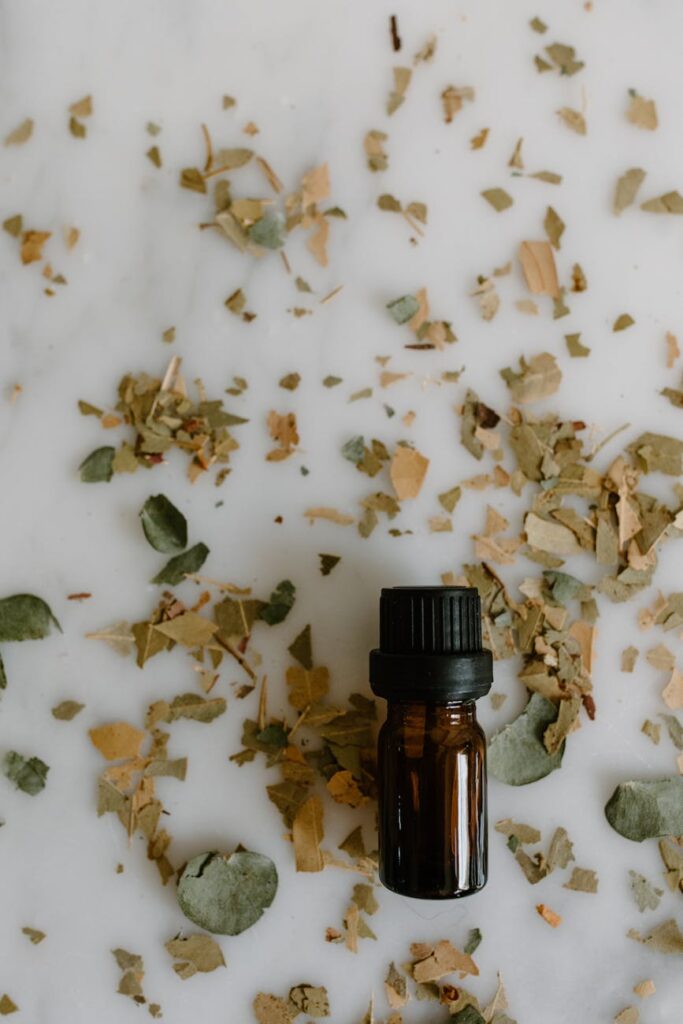
Eucalyptus oil is derived from the leaves of the eucalyptus tree, primarily from the species Eucalyptus globulus, although several other species are also used. The oil is extracted through a process of steam distillation, which captures the volatile compounds present in the leaves. The resulting essential oil is clear to pale yellow, with a fresh, camphoraceous scent that is both invigorating and refreshing.
The eucalyptus tree is native to Australia, where it plays a crucial role in the ecology of its native environment. Known for its rapid growth and adaptability, the eucalyptus is now cultivated in various parts of the world, including Europe, Asia, and the Americas.
Key Benefits and Properties
Eucalyptus oil is well-regarded for its unique chemical composition, which includes compounds such as 1,8-cineole (also known as eucalyptol), alpha-pinene, and limonene. These constituents contribute to its various beneficial properties.
Antimicrobial Properties
Eucalyptus oil is widely recognized for its antimicrobial effects, making it popular in various cleaning and personal care products. The oil has demonstrated activity against a range of bacteria and fungi, which has led to its use in natural cleaning formulations.
Respiratory Support
One of the most notable characteristics of eucalyptus oil is its ability to support respiratory health. The oil is often included in formulations aimed at relieving symptoms of congestion and promoting easier breathing.
Anti-inflammatory Effects
Research suggests that eucalyptus oil may possess anti-inflammatory properties, which can be beneficial in soothing discomfort and irritation when used topically or in inhalation therapies.
Common Uses
Eucalyptus oil is utilized in a variety of applications, reflecting its versatility and wide appeal. Common uses include:
Personal Care Products
Eucalyptus oil is often added to personal care products such as soaps, shampoos, and lotions due to its refreshing scent and potential skin benefits.
Household Cleaning
Many natural cleaning products incorporate eucalyptus oil for its antimicrobial properties. It can be used in homemade cleaning solutions to disinfect surfaces and purify the air.
Inhalation and Diffusion
The invigorating aroma of eucalyptus oil makes it a popular choice for use in diffusers and inhalation therapies. It can create a refreshing atmosphere in living spaces and aid in relaxation.
Aromatherapy Applications
In the realm of aromatherapy, eucalyptus oil is celebrated for its stimulating and clarifying effects. It is often employed in various blends aimed at enhancing mental clarity, focus, and emotional upliftment.
Blending with Other Oils
Eucalyptus oil blends well with various essential oils, including lavender, tea tree, and lemon. These combinations can enhance the overall aromatic experience and target specific emotional or physical needs.
Techniques of Use
Common methods for using eucalyptus oil in aromatherapy include:
- Diffusion: Adding a few drops to a diffuser to disperse the aroma throughout a room.
- Inhalation: Placing a few drops on a tissue or in a bowl of hot water for direct inhalation.
- Topical Application: Diluting with a carrier oil and applying to the skin, particularly on areas of tension or discomfort.
- Keep Away from Light: Store eucalyptus oil in a dark glass bottle to protect it from light, which can degrade the oil’s quality.
- Cool, Dry Place: Keep the oil in a cool, dry environment to prevent degradation from heat and moisture.
Safety Considerations
While eucalyptus oil is generally regarded as safe for use, certain precautions should be observed:
Skin Sensitivity
Eucalyptus oil can be potent and may cause skin irritation in some individuals. It is advisable to conduct a patch test before applying it topically. Dilution with a carrier oil is recommended.
Inhalation Considerations
Inhalation of eucalyptus oil, especially in concentrated forms, may cause respiratory irritation in sensitive individuals or those with existing respiratory conditions. Caution should be exercised when using the oil in diffusers or steam inhalation.
Not for Internal Use
Eucalyptus oil should not be ingested without professional guidance. Internal use can lead to adverse effects and should only be considered under the supervision of a qualified practitioner.
Storage and Shelf Life
To maintain the quality and efficacy of eucalyptus oil, proper storage is essential. Here are some guidelines:
Storage Conditions
Shelf Life
When stored properly, eucalyptus oil has a shelf life of about 1 to 3 years. However, it is advisable to check for any changes in aroma or appearance before use, as these may indicate that the oil has deteriorated.
Frequently Asked Questions
1. What are the different types of eucalyptus oil?
There are several species of eucalyptus used for oil extraction, including Eucalyptus globulus, Eucalyptus radiata, and Eucalyptus citriodora. Each has its unique aroma and properties, making them suitable for different applications.
2. Can eucalyptus oil be used for children?
While eucalyptus oil can be used in certain formulations for children, caution is advised. It is recommended to consult a healthcare professional for guidance on age-appropriate use and proper dilution.
3. Is it safe to use eucalyptus oil during pregnancy?
Pregnant individuals should consult a healthcare provider before using eucalyptus oil, as its safety during pregnancy has not been extensively studied.
4. How can I incorporate eucalyptus oil into my daily routine?
Eucalyptus oil can be incorporated into your routine through various methods, such as adding a few drops to your bath, using it in a diffuser, or including it in your skincare regimen.
5. Can eucalyptus oil help with allergies?
Eucalyptus oil may provide temporary relief from nasal congestion, but it is not a substitute for medical treatment. Those with allergies should consult a healthcare provider for appropriate management strategies.
Conclusion
Eucalyptus oil, with its rich history and diverse applications, continues to be a staple in both traditional and modern wellness practices. Its antimicrobial, anti-inflammatory, and respiratory-supportive properties make it a valuable addition to various formulations. As interest in natural remedies and holistic approaches grows, the legacy of eucalyptus oil endures, offering a bridge between traditional wisdom and contemporary wellness. Through mindful use and an understanding of its benefits, eucalyptus oil remains an essential component in the world of aromatherapy and natural health.