
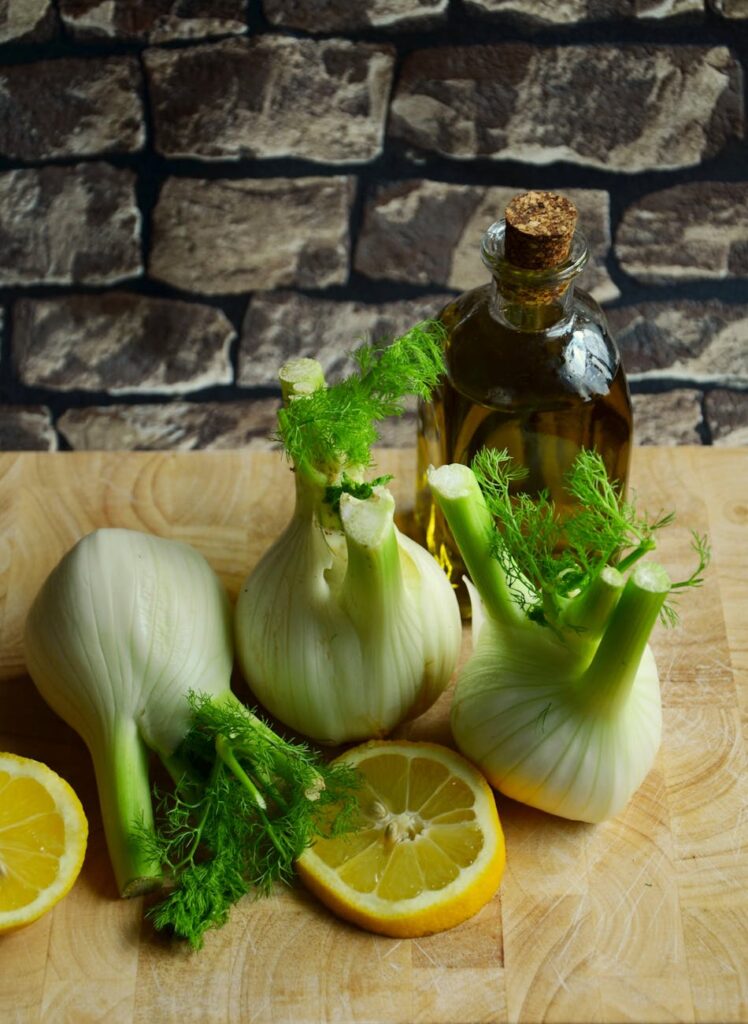
History and Origins of Fennel Oil
Introduction
Fennel oil, derived from the seeds of the Foeniculum vulgare plant, is a widely recognized essential oil renowned for its distinct anise-like aroma and various applications in aromatherapy, culinary practices, and traditional medicine. This article explores the rich history and origins of fennel oil, tracing its journey from ancient civilizations to modern-day uses. Understanding fennel oil’s background enhances our appreciation of its role in both historical and contemporary contexts.
What Is Fennel Oil?
Fennel oil is an essential oil extracted from the seeds of the fennel plant, a member of the Apiaceae family. The extraction process typically involves steam distillation, which captures the aromatic compounds present in the seeds. The oil is characterized by its sweet, licorice-like scent and pale yellow to amber color. Fennel oil contains various active compounds, including anethole, estragole, and fenchone, which contribute to its unique aroma and therapeutic properties.
Key Benefits and Properties
Fennel oil is celebrated for its myriad benefits, primarily attributed to its chemical composition. Some of its notable properties include:
1. Antioxidant: Fennel oil contains antioxidants, which help neutralize free radicals in the body, potentially reducing oxidative stress.
2. Anti-inflammatory: The oil has anti-inflammatory properties that may soothe irritation and inflammation when applied topically or inhaled through aromatherapy.
3. Digestive Aid: Traditionally, fennel has been associated with digestive health. Fennel oil is believed to assist in alleviating digestive discomfort and bloating.
4. Hormonal Balance: Some studies suggest that fennel oil may support hormonal balance, particularly in women, though more research is needed in this area.
5. Antimicrobial: Fennel oil exhibits antimicrobial properties that may help inhibit the growth of certain bacteria and fungi, making it useful in natural cleaning applications.
Common Uses
Fennel oil has a diverse range of applications across different domains:
1. Culinary: In culinary practices, fennel seeds are used as a spice, while fennel oil can enhance flavor in various dishes, particularly in Mediterranean and Indian cuisines.
2. Perfume and Fragrance: The sweet aroma of fennel oil makes it a popular ingredient in perfumes and scented products.
3. Cosmetics: Fennel oil is often included in skincare products for its potential benefits to the skin, such as soothing irritation and promoting a clear complexion.
4. Household Cleaning: Due to its antimicrobial properties, fennel oil can be utilized in homemade cleaning solutions.
5. Aromatherapy: Fennel oil is frequently employed in aromatherapy for its calming effects, often used to relieve stress and promote relaxation.
Aromatherapy Applications
In the realm of aromatherapy, fennel oil is valued for its ability to create a calming atmosphere. It can be diffused in a room, added to bathwater, or blended with carrier oils for topical application. Some common aromatherapy applications include:
1. Diffusion: Adding fennel oil to a diffuser can create a soothing environment, promoting relaxation and reducing anxiety.
2. Massage: Blending fennel oil with a carrier oil for massage can help relieve muscle tension and improve circulation.
3. Inhalation: Inhaling the scent of fennel oil directly or from a tissue can provide immediate calming effects, especially during stressful situations.
4. Bathing: A few drops of fennel oil in a warm bath can enhance relaxation and contribute to a soothing experience.
Safety Considerations
While fennel oil is commonly regarded as safe, certain precautions should be observed:
1. Dilution: It is essential to dilute fennel oil with a carrier oil before applying it topically to avoid skin irritation.
2. Sensitivity: Individuals with sensitive skin or allergies should conduct a patch test before using fennel oil extensively.
3. Pregnancy and Breastfeeding: Pregnant or breastfeeding women should consult a healthcare professional before using fennel oil, as its effects on pregnancy and lactation are not well-documented.
4. Pre-existing Conditions: Those with pre-existing medical conditions or who are taking medications should seek advice from a healthcare professional prior to using fennel oil, especially for therapeutic purposes.
5. Children: Caution should be exercised when using essential oils around children, as they may have different sensitivities.
Storage and Shelf Life
Proper storage of fennel oil is crucial to maintaining its quality and efficacy. Here are some recommendations:
1. Cool, Dark Place: Fennel oil should be stored in a cool, dark place to minimize exposure to sunlight, which can degrade the oil.
2. Tightly Sealed: Ensure that the bottle is tightly sealed to prevent oxidation and evaporation.
3. Shelf Life: Generally, fennel oil has a shelf life of 2 to 3 years when stored properly. It is advisable to check for any changes in aroma, color, or viscosity before use.
Frequently Asked Questions
1. What does fennel oil smell like?
Fennel oil has a sweet, anise-like aroma, reminiscent of licorice. Its distinct scent makes it a popular choice in aromatherapy and perfumery.
2. Can fennel oil be ingested?
While fennel oil is safe for use in culinary applications when diluted, ingesting essential oils should be approached with caution. Always consult with a healthcare professional before consuming any essential oil.
3. Is fennel oil safe for children?
Fennel oil should be used with caution around children. It is recommended to consult a healthcare professional before using fennel oil on or around children.
4. How can I incorporate fennel oil into my daily routine?
Fennel oil can be added to your daily routine through diffusion, adding to bathwater, or blending with a carrier oil for massage. However, always ensure proper dilution and conduct a patch test before extensive use.
5. What are some good blends with fennel oil?
Fennel oil blends well with other essential oils such as lavender, chamomile, and citrus oils, enhancing its calming and uplifting effects.
Conclusion
Fennel oil boasts a rich history that spans across various cultures and applications. From its ancient use in culinary practices to its contemporary role in aromatherapy, fennel oil continues to be valued for its unique properties and benefits. As we explore its origins and versatility, it becomes clear that fennel oil is more than just a fragrant substance; it is a testament to the interconnectedness of nature, history, and well-being. Understanding and respecting its origins can deepen our appreciation for this extraordinary essential oil.