
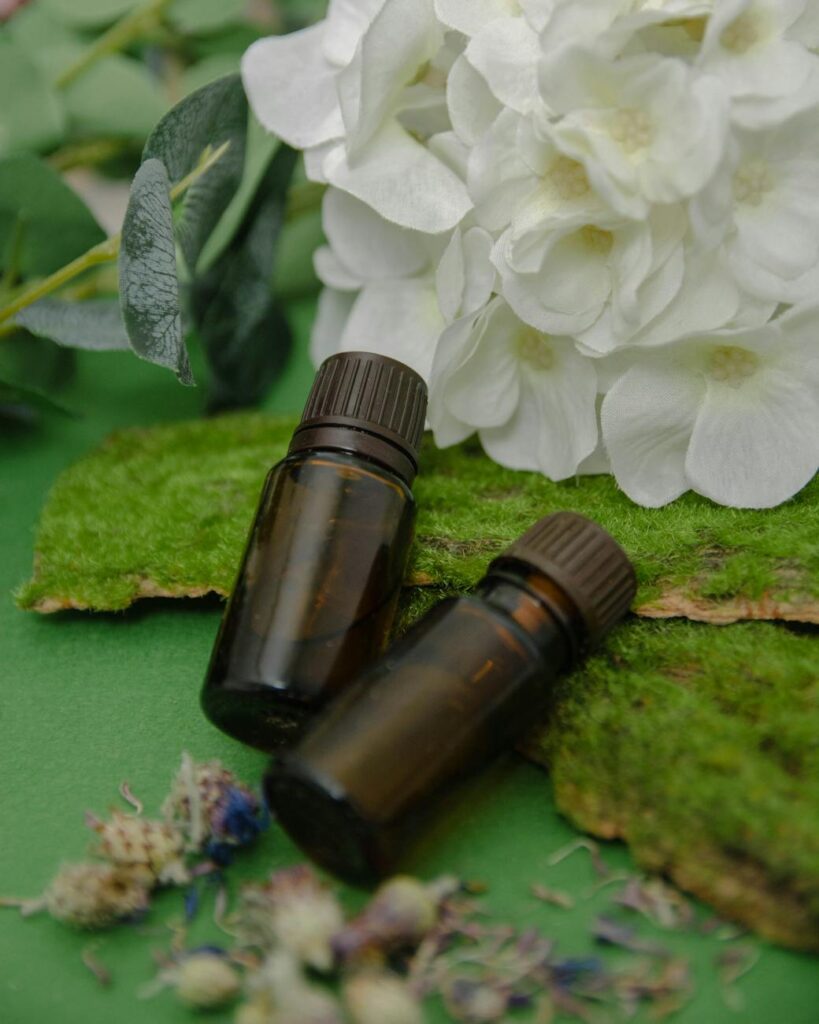
History and Origins of Floral Herbal Aromatherapy Blends
Introduction
The captivating world of floral herbal aromatherapy blends has roots that stretch back thousands of years. From ancient civilizations utilizing fragrant plants for spiritual practices to modern-day wellness enthusiasts seeking natural remedies, the history of these botanical mixtures is both rich and diverse. This article delves into the origins, key benefits, common uses, applications, and safety considerations surrounding floral herbal aromatherapy blends, offering a comprehensive look at their significance in holistic health and wellness.
What Is Floral Herbal Aromatherapy Blends?
Floral herbal aromatherapy blends are combinations of essential oils derived from flowers and herbs, designed to promote emotional, physical, and spiritual well-being. These blends harness the unique properties of each plant to create a synergistic effect, enhancing their therapeutic benefits. Common floral ingredients include lavender, rose, chamomile, and geranium, while herbal components might feature rosemary, peppermint, and sage.
The practice of aromatherapy involves inhaling these aromatic compounds or applying them to the skin, where they can be absorbed into the bloodstream. The scents are believed to influence the brain’s limbic system, which plays a pivotal role in emotions, memories, and behavior.
Key Benefits and Properties
Floral herbal aromatherapy blends offer a myriad of benefits, largely attributed to the potent properties of the essential oils used:
1. Emotional Support: Many floral oils are known for their calming and uplifting effects. For instance, lavender is often used to alleviate anxiety, while rose is celebrated for promoting feelings of love and compassion.
2. Physical Wellness: Certain herbal components may aid in alleviating discomfort. Peppermint is frequently used to relieve headaches and digestive issues, while chamomile is known for its soothing properties.
3. Spiritual Connection: In various cultures, specific floral and herbal combinations are employed in rituals and meditation practices to enhance spiritual awareness and connection.
4. Skin Care: Many essential oils possess antimicrobial and anti-inflammatory properties, making them beneficial for skin health. For example, tea tree oil is often included in blends aimed at treating acne.
5. Aromatherapy Benefits: The inhalation of these blends can stimulate the olfactory senses, influencing mood and mental clarity.
Common Uses
Floral herbal aromatherapy blends can be utilized in various ways, including:
- Diffusion: Using an essential oil diffuser to disperse the aroma throughout a space.
- Topical Application: Diluting essential oils with a carrier oil for application on the skin.
- Bathing: Adding a few drops of a blend to bathwater for a relaxing experience.
- Inhalation: Directly inhaling the aroma from a bottle or a tissue for immediate effects.
- Containers: Store essential oils in dark glass bottles to protect them from light and degradation.
- Temperature: Keep oils in a cool, dry place, away from direct sunlight and heat sources.
- Shelf Life: Most essential oils have a shelf life of 1 to 3 years, but this can vary depending on the type of oil. Citrus oils tend to have shorter shelf lives, while oils like sandalwood may last longer.
These versatile blends can be tailored to individual preferences and needs, making them a popular choice for both personal use and professional practices.
Aromatherapy Applications
The applications of floral herbal aromatherapy blends are as varied as the blends themselves. Below are some common methods:
1. Massage Oils
When combined with carrier oils such as jojoba or sweet almond oil, floral herbal blends can enhance massage experiences. The aromas can help to soothe tension in the body while providing the benefits of the essential oils.
2. Personal Care Products
Floral herbal blends are frequently incorporated into lotions, creams, and shampoos. For instance, a blend of lavender and geranium can create a soothing facial oil, while rose-infused hair products can impart a delightful scent and nourishing properties.
3. Candles and Incense
The incorporation of floral herbal blends in candles and incense can create a calming atmosphere in homes and wellness centers. The slow release of these aromas can enhance relaxation and promote meditation.
4. Household Cleaners
Some essential oils possess antibacterial properties, making them ideal for natural cleaning products. A blend of tea tree oil with citrus oils can create an effective household cleaner that also leaves a pleasant aroma.
5. Emotional Support Tools
Floral herbal blends can be used in ritual practices, such as meditation or yoga, to enhance focus and emotional balance. They can also be applied as part of a self-care routine to foster mindfulness and relaxation.
Safety Considerations
While floral herbal aromatherapy blends offer numerous benefits, safety must be a priority. Here are several considerations to keep in mind:
1. Dilution: Essential oils are highly concentrated and should always be diluted with a carrier oil before topical application to avoid irritation or allergic reactions.
2. Patch Testing: Prior to using a new blend, conduct a patch test by applying a small amount to a discreet area of skin to check for adverse reactions.
3. Pregnancy and Nursing: Pregnant and nursing individuals should consult with a healthcare provider before using essential oils, as some may not be safe during these periods.
4. Medical Conditions: Individuals with specific health concerns or those taking medications should exercise caution and consult with a healthcare professional before incorporating essential oils into their routine.
5. Quality of Oils: Use high-quality, pure essential oils from reputable sources. Adulterated oils can diminish the therapeutic benefits and pose health risks.
Storage and Shelf Life
Proper storage is crucial for maintaining the integrity and effectiveness of floral herbal blends:
Frequently Asked Questions
1. How do I choose the right floral herbal blend for me?
Selecting a blend often depends on your personal preferences and desired effects. Consider the scents you are naturally drawn to, and research the properties of various essential oils to find a blend that aligns with your needs.
2. Can I use floral herbal blends on my skin?
Yes, but always dilute essential oils with a carrier oil before applying them to your skin. Additionally, perform a patch test to check for any skin sensitivities.
3. How long does the aroma of a blend last?
The duration of an aroma can vary based on factors such as the quality of the essential oils, the method of application, and environmental conditions. Generally, diffusion can provide a scent for several hours, while topical application may last longer.
4. Are there any oils I should avoid?
Certain essential oils are contraindicated for specific populations, such as pregnant women or those with certain medical conditions. Always research and consult with a qualified professional if you are unsure.
5. Can I create my own floral herbal blends?
Absolutely! Experimenting with different essential oils can be a rewarding experience. Start with small quantities, and keep a record of your combinations and their effects.
Conclusion
The history and origins of floral herbal aromatherapy blends reflect humanity’s long-standing relationship with nature and the pursuit of holistic well-being. As more individuals seek natural alternatives for emotional and physical support, these blends continue to gain popularity across cultures. By understanding their properties, applications, and safety considerations, one can fully appreciate the art and science behind floral herbal aromatherapy blends and their potential to enhance overall wellness.