
History and Origins of Floral Hydrosols for Acne Treatment
Introduction
The use of floral hydrosols in skincare, particularly for acne treatment, is a practice rooted in centuries of tradition. These aromatic waters, derived from the steam distillation of plant materials, have garnered attention for their therapeutic properties. This article explores the historical context, properties, and applications of floral hydrosols, specifically in relation to acne treatment.
What Are Floral Hydrosols for Acne Treatment?
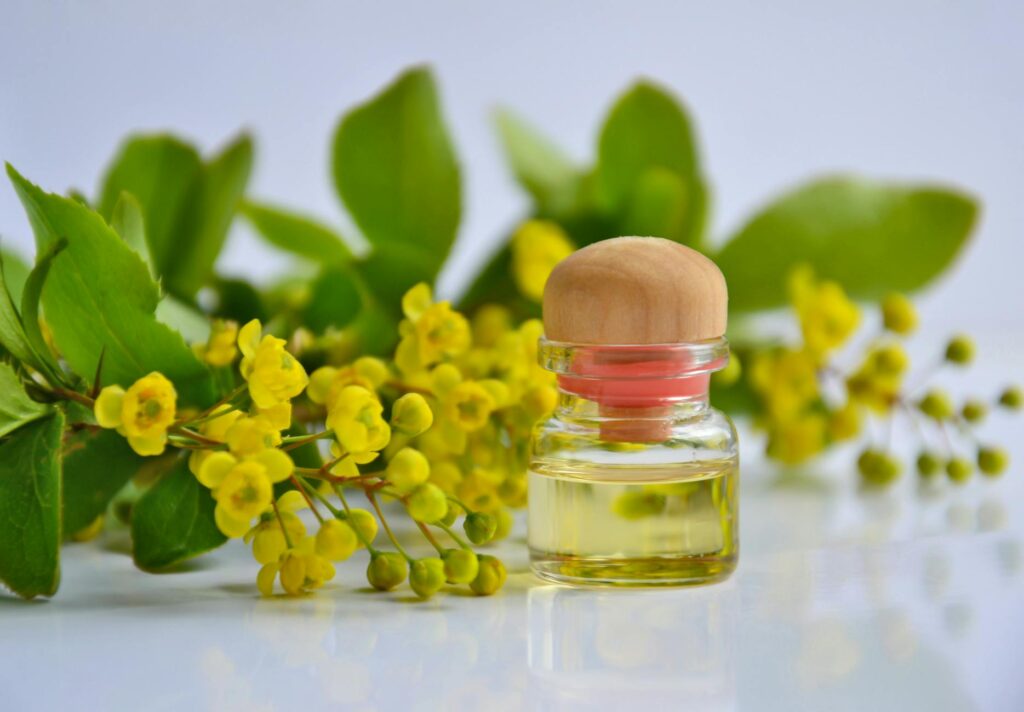
Floral hydrosols, often referred to as hydrosols or floral waters, are the by-products of essential oil production. During the steam distillation process, plant materials—such as flowers, leaves, and stems—release volatile compounds, resulting in two primary products: essential oils and hydrosols. While essential oils are concentrated and potent, hydrosols are more diluted and contain a complex array of water-soluble compounds, making them gentler and suitable for various skin types.
When it comes to acne treatment, floral hydrosols can provide a range of benefits. They are often rich in phytochemicals, antioxidants, and antibacterial properties, making them particularly appealing for individuals seeking natural solutions for skin issues.
Key Benefits and Properties
Floral hydrosols boast numerous benefits that contribute to their efficacy in acne treatment:
1. Antibacterial and Antimicrobial Properties
Many floral hydrosols, such as lavender and tea tree, possess natural antibacterial properties that can help combat acne-causing bacteria, reducing the likelihood of breakouts.
2. Anti-inflammatory Effects
Hydrosols like chamomile and rose are known for their soothing effects on the skin. Their anti-inflammatory properties can help reduce redness and irritation associated with acne.
3. Hydration
Floral hydrosols can help maintain skin hydration, which is crucial for overall skin health. Hydrated skin is less likely to produce excess oil, a common contributor to acne.
4. pH Balancing
The pH level of certain hydrosols can help balance the skin’s natural acidity. This balance is essential in maintaining a healthy skin barrier and preventing the overgrowth of bacteria.
5. Skin Regeneration
Some floral hydrosols, such as rose and neroli, are believed to support skin regeneration and healing, which can be beneficial for post-acne scars.
Common Uses
Floral hydrosols can be used in various ways in skincare routines, particularly for acne management:
1. Facial Toners
Hydrosols can be used as natural facial toners, helping to cleanse the skin and minimize the appearance of pores. They can be sprayed directly onto the face or applied with a cotton pad.
2. Spot Treatment
For targeted acne treatment, hydrosols can be applied directly to affected areas using a cotton swab, allowing for localized relief.
3. Hydrating Mists
Floral hydrosols can be mixed with other ingredients to create hydrating mists. These can be used throughout the day for a refreshing boost, especially in dry environments.
4. Ingredients in Creams and Serums
Many skincare formulations incorporate floral hydrosols as a base ingredient, enhancing the product’s overall efficacy and aroma.
5. Bath Additive
Adding a few drops of floral hydrosols to bathwater can promote relaxation and provide skin benefits simultaneously.
Aromatherapy Applications
In addition to their topical uses, floral hydrosols can also play a role in aromatherapy. The inhalation of their fragrant vapors can evoke emotional responses and promote mental well-being. For example:
1. Stress Relief
Hydrosols such as lavender and chamomile can help alleviate stress and anxiety, which, in turn, may help reduce stress-related acne flare-ups.
2. Mood Enhancement
The uplifting scent of floral hydrosols like rose can enhance mood and create a calming atmosphere, contributing to overall skin health.
3. Meditation and Mindfulness
Incorporating floral hydrosols into meditation practices can enhance the experience, aiding in relaxation and focus.
Safety Considerations
While floral hydrosols are generally considered safe for most individuals, it is essential to exercise caution:
1. Patch Testing
Before extensive use, it is advisable to conduct a patch test. Apply a small amount of the hydrosol to a discreet area of skin and wait for 24 hours to check for any adverse reactions.
2. Sensitivity
Some individuals may have sensitivities to certain plant materials. Those with allergies should read labels carefully and consult with a professional if uncertain.
3. Storage
Proper storage is critical to maintain the integrity of floral hydrosols. They should be kept in a cool, dark place, away from direct sunlight, and tightly sealed to prevent contamination.
Storage and Shelf Life
The shelf life of floral hydrosols can vary depending on the type and storage conditions. Generally, they can last anywhere from six months to two years. Here are some tips for proper storage:
1. Glass Bottles
Store hydrosols in dark glass bottles to protect them from light, which can degrade their quality.
2. Cool Temperatures
Keeping hydrosols in a cooler environment can help extend their shelf life. Refrigeration is an excellent option for preserving their freshness.
3. Check for Changes
Regularly check for any changes in color, smell, or consistency. If any unusual characteristics are observed, it may be time to dispose of the hydrosol.
Frequently Asked Questions
1. Can I use floral hydrosols for all skin types?
Yes, most floral hydrosols are suitable for various skin types. However, individuals with sensitive skin should perform a patch test first.
2. How often should I use floral hydrosols for acne?
Hydrosols can typically be used daily, but it is best to observe how your skin responds and adjust the frequency accordingly.
3. Are floral hydrosols the same as essential oils?
No, floral hydrosols are the by-products of essential oil distillation and are more diluted, making them gentler on the skin.
4. Can I mix different floral hydrosols?
Yes, blending different floral hydrosols can create a customized product, but ensure the scents and properties complement each other.
5. Where can I purchase floral hydrosols?
Floral hydrosols can be found at health food stores, specialty shops, and online retailers. Always choose high-quality, organic options for the best results.
Conclusion
The historical roots of floral hydrosols in skincare and their contemporary applications for acne treatment reveal a fascinating evolution of natural remedies. With their antibacterial, anti-inflammatory, and hydrating properties, these aromatic waters offer a gentle yet effective approach to managing acne. As interest in holistic skincare continues to grow, floral hydrosols stand out as a timeless solution, bridging ancient practices with modern needs. Whether used as toners or in aromatherapy, they present a multifaceted option for individuals seeking natural support for their skin health.