
History and Origins of Floral Hydrosols for Antimicrobial Support
Introduction
Floral hydrosols, often referred to as flower waters, have a rich history rooted in ancient practices and traditions. Their use spans across various cultures, primarily in regions where the distillation of essential oils became prevalent. These aromatic waters are not merely byproducts of essential oil extraction; they possess unique properties and applications, particularly in the realm of antimicrobial support. This article delves into the origins, benefits, common uses, and safety considerations associated with floral hydrosols, providing a comprehensive understanding of their role in contemporary natural health practices.
What Is Floral Hydrosols for Antimicrobial Support?
Floral hydrosols are aqueous distillates obtained during the steam distillation of plant materials, particularly flowers. Unlike essential oils, which are concentrated extracts, hydrosols maintain a gentler profile, containing water-soluble compounds along with minute quantities of essential oil. This makes them suitable for a variety of applications, especially for those seeking a milder alternative to essential oils.
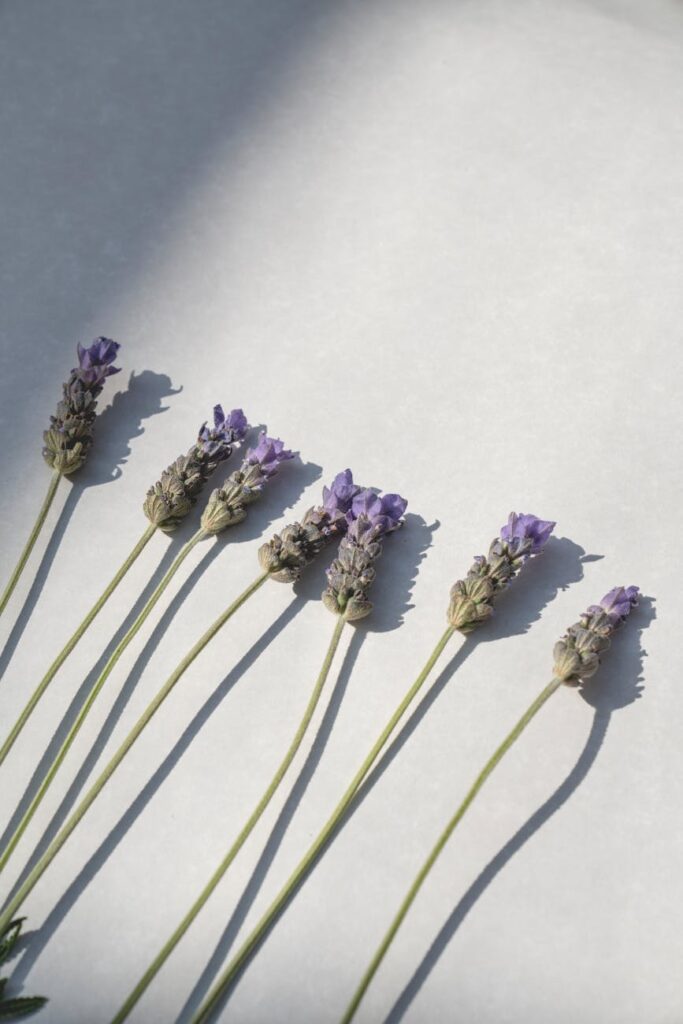
The antimicrobial properties of floral hydrosols arise from their unique chemical composition. Many hydrosols contain phenolic compounds, flavonoids, and other phytochemicals that exhibit antibacterial and antifungal effects. Common examples include rose, lavender, and chamomile hydrosols, each renowned for their distinct characteristics and historical uses.
Key Benefits and Properties
Floral hydrosols offer several key benefits and properties that contribute to their effectiveness as antimicrobial agents:
1. Gentle on Skin: Due to their lower concentration, hydrosols are often more suitable for sensitive skin, making them ideal for topical applications.
2. Natural Fragrance: The subtle aroma of floral hydrosols can enhance mood and promote relaxation, creating a dual-purpose product that combines antimicrobial properties with sensory benefits.
3. Hydration: Hydrosols can help hydrate and soothe the skin, making them beneficial in formulations for skincare and beauty products.
4. Antimicrobial Activity: Research has shown that various floral hydrosols exhibit antimicrobial properties. For example, lavender hydrosol has been noted for its ability to inhibit certain bacteria and fungi.
5. Anti-inflammatory Effects: Many hydrosols possess anti-inflammatory properties, which can aid in reducing skin irritation and redness.
Common Uses
Floral hydrosols are versatile and can be used in a variety of ways:
1. Skincare: Hydrosols can be used as facial toners, soothing mists, or added to creams and lotions for enhanced hydration and antimicrobial benefits.
2. Hair Care: They may be used as hair rinses or scalp treatments, helping to cleanse and soothe the scalp while providing a pleasant fragrance.
3. Environmental Sprays: Floral hydrosols can be blended into room sprays or used to freshen linens, providing a natural alternative to synthetic fragrances.
4. Culinary Applications: Some hydrosols, such as rose and orange blossom, are edible and can be used in culinary applications to enhance flavors in desserts or beverages.
5. Aromatherapy: As part of aromatherapy practices, hydrosols can be utilized in diffusers or as part of personal inhalers to promote emotional well-being.
Aromatherapy Applications
In aromatherapy, floral hydrosols serve as a gentle means of delivering the therapeutic benefits of plants. They can be employed in various ways:
1. Facial Mists: Spritzing a floral hydrosol on the face can provide instant hydration while also delivering the calming effects of the plant’s aroma.
2. Diffusion: While not as potent as essential oils, hydrosols can be diffused in the air to create a fragrant atmosphere that supports emotional balance.
3. Bath Additives: Adding a floral hydrosol to a warm bath can enhance the bathing experience, promoting relaxation and skin nourishment.
4. Meditation Aids: Spraying a hydrosol in the surrounding area can create a serene environment conducive to meditation and mindfulness practices.
5. Massage Blends: When mixed with carrier oils, hydrosols can be used in massage therapies, adding both scent and antimicrobial properties to the treatment.
Safety Considerations
While floral hydrosols are generally considered safe, there are a few safety considerations to keep in mind:
1. Patch Test: As with any new product, it is advisable to conduct a patch test on a small area of skin to check for any allergic reactions before widespread use.
2. Dilution: Although hydrosols are milder than essential oils, some individuals may still prefer to dilute them further, especially for use on sensitive skin.
3. Consultation: Individuals with known allergies, pregnant women, or those with underlying health conditions should consult with a healthcare professional before using hydrosols.
4. Quality: It is essential to source hydrosols from reputable suppliers to ensure they are pure and free from additives or contaminants.
Storage and Shelf Life
Proper storage is crucial for maintaining the quality and efficacy of floral hydrosols. Here are some guidelines:
1. Storage Conditions: Keep hydrosols in a cool, dark place away from direct sunlight and heat sources. Refrigeration can prolong shelf life.
2. Packaging: Choose hydrosols packaged in dark glass bottles to protect them from light degradation.
3. Shelf Life: Generally, floral hydrosols have a shelf life of 1 to 3 years, depending on the type and storage conditions. It is advisable to check for any changes in color, scent, or clarity before use.
4. Preservatives: Some hydrosols may contain natural preservatives, such as vitamin E or rosemary extract, which can help extend their shelf life.
Frequently Asked Questions
What is the difference between floral hydrosols and essential oils?
Floral hydrosols are the water-based distillates obtained during the extraction of essential oils. They contain water-soluble compounds and a small amount of essential oil, making them gentler and suitable for a wider range of applications. Essential oils, on the other hand, are concentrated extracts known for their potent aromatic properties.
Can floral hydrosols be ingested?
Some floral hydrosols, such as rose or orange blossom, are considered safe for culinary use, but it is essential to ensure they are food-grade and sourced from reputable suppliers. Always check labels for any additives that may not be suitable for consumption.
How can I incorporate floral hydrosols into my skincare routine?
Floral hydrosols can be used as facial mists, toners, or added to creams and lotions. They can also be incorporated into DIY skincare formulations for added hydration and antimicrobial support.
Are floral hydrosols suitable for children?
Many floral hydrosols are considered safe for children, but it is advisable to consult a healthcare professional, especially for very young children or those with specific sensitivities.
How can I tell if a floral hydrosol is of high quality?
High-quality floral hydrosols should be pure, with no added chemicals or preservatives. Look for products that are distilled from fresh plant material, preferably organic, and packaged in dark glass bottles.
Conclusion
Floral hydrosols represent a fascinating intersection of history, tradition, and modern applications. Their gentle yet effective antimicrobial properties make them valuable in various domains, from skincare to aromatherapy. Understanding their origins and benefits empowers individuals to incorporate these versatile hydrosols into their daily lives, promoting both wellness and a deeper connection to the natural world. As interest in natural alternatives continues to grow, floral hydrosols remain a timeless treasure, bridging the past with the present.