
History and Origins of Floral Hydrosols for Anxiety Relief
Introduction
Floral hydrosols, often referred to as floral waters, have been utilized for centuries across various cultures for their aromatic and therapeutic properties. These aqueous distillates, produced during the steam distillation of plant materials, contain the essence of the plant along with water-soluble compounds that contribute to their unique benefits. Among the many applications of floral hydrosols, their use for anxiety relief has gained considerable attention in recent years, reflecting a growing interest in natural and holistic approaches to mental well-being. This article delves into the history and origins of floral hydrosols, their benefits for anxiety relief, and their applications in aromatherapy.
What Is Floral Hydrosols for Anxiety Relief?
Floral hydrosols are the by-products of essential oil distillation, formed when steam passes through plant materials such as flowers, leaves, and stems. The steam captures the volatile compounds of the plant, which then condense back into a liquid, resulting in the formation of both essential oils and hydrosols. While essential oils are highly concentrated and potent, hydrosols are milder and more gentle on the skin and senses, making them suitable for a variety of uses, including anxiety relief.
The calming effects of specific floral hydrosols, such as lavender, chamomile, and rose, have been recognized for their ability to promote relaxation and emotional balance. These hydrosols contain water-soluble constituents that may help soothe the nervous system and contribute to an overall sense of well-being.
Key Benefits and Properties
Floral hydrosols are known for their diverse range of benefits, particularly in relation to mental health and emotional support. Some of the key properties include:
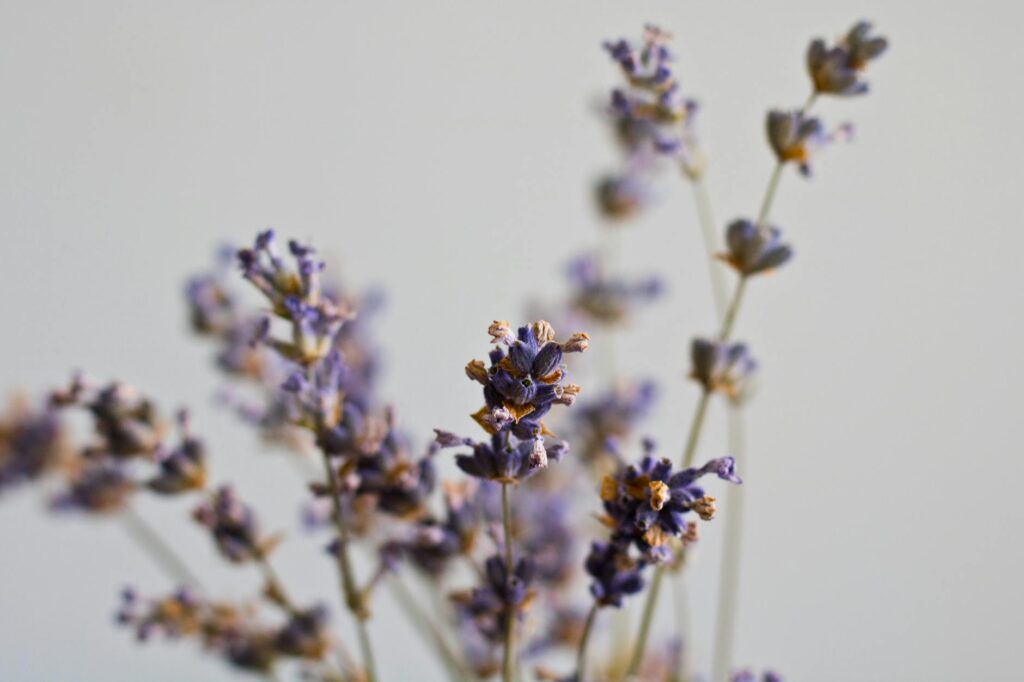
1. Calming Effects: Many floral hydrosols have been traditionally used to alleviate feelings of stress and anxiety. For instance, lavender hydrosol is often praised for its soothing fragrance and ability to induce a state of calm.
2. Mood Enhancer: Floral hydrosols can help uplift mood and create a sense of tranquility. Rose hydrosol, for example, is frequently used to foster feelings of love and compassion, which can counteract anxiety.
3. Gentle on the Skin: Unlike essential oils, floral hydrosols can be applied directly to the skin without the need for dilution. This makes them an excellent choice for those with sensitive skin or for individuals seeking a milder form of aromatherapy.
4. Hydrating and Nourishing: Many floral hydrosols possess hydrating properties that can benefit the skin. This can provide a dual effect of enhancing both physical and emotional well-being.
5. Versatile Applications: Floral hydrosols can be used in various forms, including sprays, compresses, or added to bathwater, allowing for personalized applications suited to individual preferences.
Common Uses
Floral hydrosols have a wide variety of uses that extend beyond anxiety relief. Some common applications include:
- Aromatherapy Sprays: Hydrosols can be used as room sprays or personal mists to create a calming atmosphere. A few spritzes of lavender or chamomile hydrosol can help to establish a serene environment.
- Facial Toners: Their skin-soothing properties make floral hydrosols ideal for use as facial toners. They can help balance the skin’s pH and provide a refreshing boost.
- Bath Additives: Adding hydrosols to bathwater can enhance relaxation and contribute to an overall sense of tranquility during bath time.
- Compresses: Hydrosols can be used in warm or cold compresses to relieve tension and promote relaxation in specific areas of the body.
- Culinary Uses: Some hydrosols, like rose and orange blossom, can also be utilized in culinary applications, providing flavor and aroma in desserts and beverages.
- Inhalation: Simply inhaling the scent of a floral hydrosol can have immediate calming effects. Placing a few drops in a diffuser or a bowl of hot water and inhaling the steam can help create a soothing atmosphere.
- Massage: When diluted with carrier oils, floral hydrosols can be incorporated into massage oils, aiding in relaxation during massage therapy sessions.
- Meditative Practices: Incorporating hydrosols into meditation rituals can enhance the overall experience. Spritzing the surrounding area or lightly misting oneself can help create a sacred space conducive to mindfulness.
- Keep Refrigerated: Storing hydrosols in the refrigerator can help extend their shelf life, especially in warmer climates.
- Use Dark Glass Bottles: If possible, opt for dark glass containers to protect the hydrosol from light exposure, which can degrade its quality.
- Check for Signs of Spoilage: Always inspect hydrosols for changes in color, scent, or consistency. Any signs of spoilage should prompt immediate disposal.
Aromatherapy Applications
In the realm of aromatherapy, floral hydrosols hold a special place as gentle yet effective tools for emotional support. Their applications can be tailored to individual needs, promoting relaxation and reducing anxiety in various ways:
Safety Considerations
While floral hydrosols are generally considered safe for use, it is essential to be aware of certain precautions:
1. Allergic Reactions: Individuals with specific allergies or sensitivities to certain plants should exercise caution when using floral hydrosols. Conducting a patch test prior to widespread use is advisable.
2. Quality Matters: The quality of hydrosols can vary significantly. It is important to choose high-quality, organic products from reputable sources to ensure purity and efficacy.
3. Pregnancy and Nursing: Some floral hydrosols may not be suitable for use during pregnancy or nursing. Consulting with a healthcare professional before use is recommended.
4. Storage: Proper storage is vital to maintain the integrity of hydrosols. They should be kept in a cool, dark place and away from direct sunlight.
Storage and Shelf Life
The shelf life of floral hydrosols can vary depending on the type and storage conditions. Generally, hydrosols have a shelf life of 6 months to 1 year, though some may last longer if stored correctly. To ensure longevity:
Frequently Asked Questions
1. What is the difference between floral hydrosols and essential oils?
Floral hydrosols are the water-based by-products of the steam distillation process used to extract essential oils. While essential oils are highly concentrated and potent, hydrosols are milder, containing both the water-soluble components and a small amount of essential oil.
2. Can I use floral hydrosols on my skin?
Yes, floral hydrosols are generally safe for topical application. They can be used as facial toners, mists, or in compresses. However, individuals with specific allergies should perform a patch test prior to widespread use.
3. How do I incorporate floral hydrosols into my daily routine?
Floral hydrosols can be incorporated into your routine in various ways, such as using them as room sprays, adding them to baths, or applying them as toners. Experiment with different methods to discover what works best for you.
4. Are there specific hydrosols that are best for anxiety relief?
Hydrosols such as lavender, chamomile, rose, and bergamot are often cited for their calming properties and suitability for anxiety relief. Personal preferences may vary, so it is advisable to explore different options.
5. Can I use floral hydrosols in cooking?
Yes, certain floral hydrosols, like rose and orange blossom, can be used in culinary applications, adding unique flavors and aromas to dishes and beverages.
Conclusion
The rich history and origins of floral hydrosols reveal their enduring role in natural wellness practices, particularly for anxiety relief. These gentle yet effective distillates not only provide aromatic pleasure but also serve as valuable tools for emotional support. As interest in holistic approaches to mental well-being continues to grow, floral hydrosols may offer a fragrant pathway toward relaxation and balance, enriching the lives of those who seek a natural alternative for managing anxiety.