
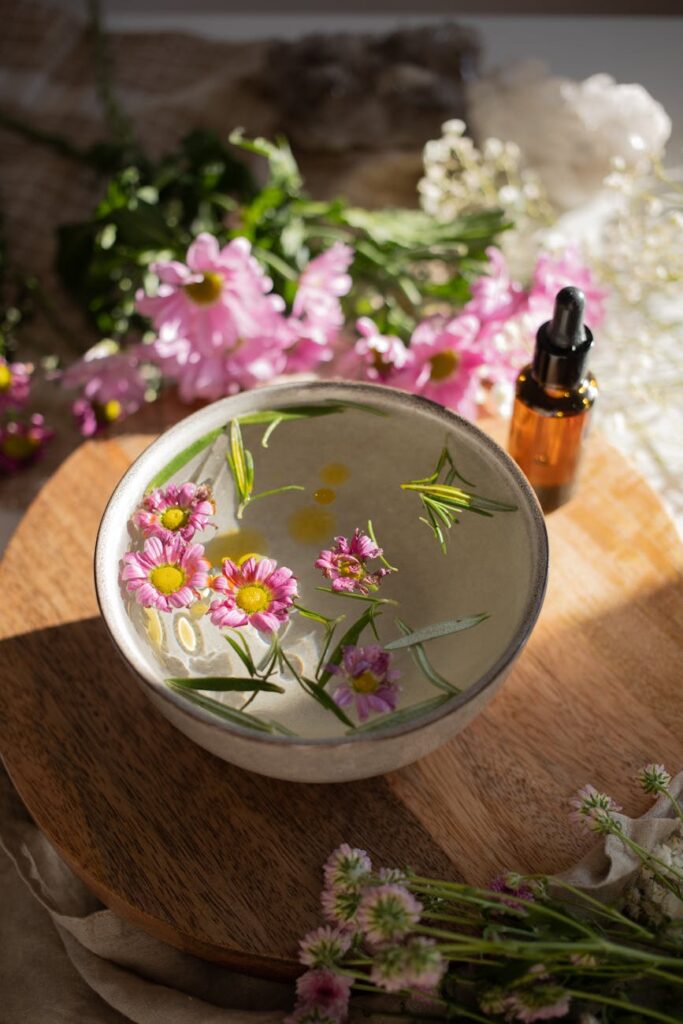
History and Origins of Floral Hydrosols for Hair Care
Introduction
Floral hydrosols, often referred to as hydrolats or flower waters, are aromatic waters produced during the steam distillation of plant materials. They have gained popularity not only in the realm of aromatherapy but also in personal care, especially in hair care. This article explores the history, origins, and uses of floral hydrosols in hair care, examining their benefits, properties, and applications.
What Are Floral Hydrosols for Hair Care?
Floral hydrosols are the byproduct of essential oil extraction. During the distillation process, steam passes through plant materials, capturing volatile compounds. When the steam is cooled, the essential oil separates from the water, leaving behind a fragrant liquid rich in water-soluble phytochemicals. Hydrosols retain many of the beneficial properties of the plant while being gentler and more versatile than essential oils, making them suitable for a variety of applications, including hair care.
In hair care, floral hydrosols can be used as conditioners, scalp treatments, and setting sprays. They are typically diluted and can be applied directly to the hair or scalp, providing nourishment and fragrance.
Key Benefits and Properties
Floral hydrosols are celebrated for their numerous benefits in hair care. Their properties can vary depending on the plant source, but several key benefits are commonly associated with them:
1. Moisturizing: Many floral hydrosols contain hydrating properties that help to retain moisture in the hair and scalp, reducing dryness and brittleness.
2. Soothing: Hydrosols often have calming effects and can soothe irritated or sensitive scalps. For instance, chamomile and lavender hydrosols are known for their anti-inflammatory properties.
3. Balancing: Certain hydrosols, such as rose and geranium, can help balance oil production in the scalp, making them suitable for both oily and dry hair types.
4. Aromatic Qualities: The natural fragrances of floral hydrosols can enhance the sensory experience of hair care routines, providing a pleasant and calming aroma.
5. Nutrient-Rich: Hydrosols contain vitamins, minerals, and antioxidants that can nourish hair follicles and promote healthy hair growth.
Common Uses
Floral hydrosols can be incorporated into hair care routines in various ways:
1. Hair Rinse: After shampooing, floral hydrosols can be used as a final rinse to impart fragrance and additional nourishment.
2. Leave-In Conditioner: Hydrosols can be sprayed onto damp hair as a light leave-in conditioner, helping to detangle and hydrate.
3. Scalp Treatment: Directly applying hydrosols to the scalp can help alleviate dryness, itching, or irritation.
4. Hair Styling: Hydrosols can be used as natural setting sprays to provide hold while adding fragrance.
5. DIY Hair Products: Many individuals incorporate floral hydrosols into homemade shampoos, conditioners, and hair masks for a personalized touch.
Aromatherapy Applications
Floral hydrosols are often utilized in aromatherapy due to their calming and uplifting properties. Their gentle nature allows for a variety of applications beyond hair care:
1. Stress Relief: Hydrosols such as lavender and chamomile can be used in relaxation rituals to promote a sense of calm, making them excellent additions to hair care routines.
2. Mood Enhancement: The delightful scents of floral hydrosols can uplift mood and enhance overall well-being, contributing to a more enjoyable self-care experience.
3. Meditation Support: Incorporating floral hydrosols into meditation practices can help create a tranquil environment, enhancing focus and relaxation.
4. Room Sprays: Hydrosols can be used as natural room sprays, refreshing indoor spaces while providing aromatic benefits.
Safety Considerations
While floral hydrosols are generally safe for use, there are several important safety considerations to keep in mind:
1. Patch Test: Before using a new hydrosol, conducting a patch test is recommended to check for any adverse reactions, particularly for individuals with sensitive skin.
2. Dilution: Although hydrosols are milder than essential oils, it is advisable to follow recommended dilution guidelines, especially for sensitive areas like the scalp.
3. Quality: Ensure that the hydrosols are from reputable sources and are free from additives or preservatives to maximize their benefits.
4. Storage: Proper storage is essential to maintain the quality and efficacy of floral hydrosols. Keeping them in a cool, dark place away from direct sunlight is recommended.
Storage and Shelf Life
The shelf life of floral hydrosols can vary based on the plant source and storage conditions. Generally, they have a shelf life of 6 months to 2 years. To maximize their longevity:
1. Refrigeration: Storing hydrosols in the refrigerator can help prolong their freshness and prevent microbial growth.
2. Dark Containers: Using amber or cobalt blue glass bottles can protect hydrosols from light degradation.
3. Sealed Containers: Ensuring that the containers are tightly sealed can help prevent contamination.
4. Check for Signs of Spoilage: Before use, inspect the hydrosol for any changes in color, scent, or clarity, which may indicate spoilage.
Frequently Asked Questions
What is the difference between floral hydrosols and essential oils?
Floral hydrosols are the aromatic waters produced during the distillation of plants, containing water-soluble compounds, while essential oils are concentrated, volatile oils that capture the essence of the plant. Hydrosols are milder and can be used directly on the skin and hair, whereas essential oils typically require dilution.
Can I use floral hydrosols daily on my hair?
Yes, many individuals safely use floral hydrosols daily as part of their hair care routine. However, it is advisable to monitor how your hair and scalp respond and adjust your usage accordingly.
Are floral hydrosols suitable for all hair types?
Floral hydrosols can be beneficial for various hair types. However, specific hydrosols may be more suited for particular concerns, such as oily or dry hair. It is essential to choose hydrosols that align with your hair and scalp needs.
How can I incorporate floral hydrosols into my hair care routine?
Floral hydrosols can be used as hair rinses, leave-in conditioners, scalp treatments, or even in DIY hair products. Their versatility makes them easy to integrate into existing routines.
What are some popular floral hydrosols for hair care?
Some popular floral hydrosols for hair care include rose, lavender, chamomile, and geranium. Each offers unique benefits and properties that cater to different hair types and concerns.
Conclusion
Floral hydrosols have a rich history and a myriad of uses in hair care, thanks to their gentle yet effective properties. From moisturizing and soothing to aromatic and balancing, these fragrant waters provide numerous benefits that can enhance hair health and overall well-being. As interest in natural personal care products continues to grow, floral hydrosols represent a timeless and versatile option for those seeking to elevate their hair care routines.