
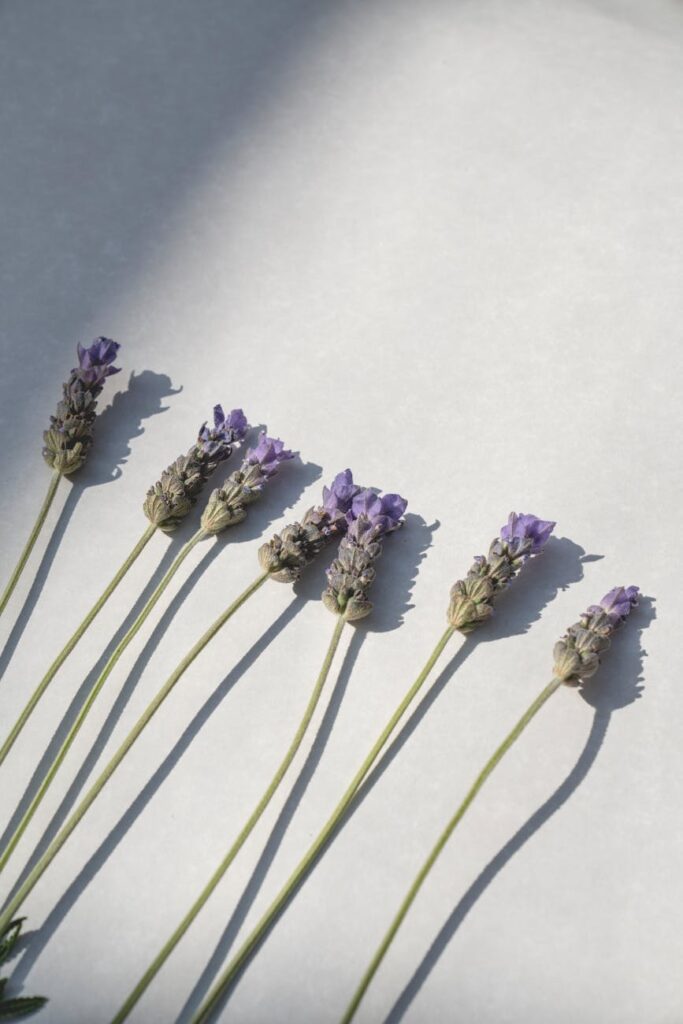
History and Origins of Floral Hydrosols for Immune Support
Introduction
Floral hydrosols, often referred to as flower waters or herbal distillates, have been utilized for centuries across various cultures for their aromatic properties and therapeutic benefits. As a byproduct of essential oil distillation, hydrosols retain many of the beneficial compounds found in the original plant material, albeit in a more diluted form. This article explores the history and origins of floral hydrosols, particularly those known for their immune support properties, and how they can enhance well-being in modern times.
What Is Floral Hydrosols for Immune Support?
Floral hydrosols are aqueous solutions created during the steam distillation process of aromatic plants. While essential oils are the concentrated oils extracted from plants, hydrosols contain water-soluble compounds, making them gentler and more versatile. Common examples include rose, lavender, and chamomile hydrosols.
When discussing immune support, specific hydrosols are recognized for their potential to bolster the body’s natural defenses. These include, but are not limited to, eucalyptus, thyme, and peppermint hydrosols. Each of these floral hydrosols carries unique properties that may contribute to overall wellness, particularly in maintaining a healthy immune system.
Key Benefits and Properties
The benefits of floral hydrosols extend beyond their delightful fragrances. Many hydrosols possess antimicrobial, anti-inflammatory, and soothing properties, making them valuable allies in supporting immune health.
Antimicrobial Properties
Certain floral hydrosols, such as thyme and eucalyptus, are known for their antimicrobial properties. These characteristics can aid in purifying the air and minimizing the presence of pathogens, which is particularly useful during cold and flu seasons.
Anti-Inflammatory Effects
Hydrosols like chamomile and lavender have well-documented anti-inflammatory properties. By reducing inflammation, they may help alleviate discomfort and promote overall well-being, indirectly supporting the immune system.
Stress Relief
Stress can significantly impact immune function. Floral hydrosols with calming properties, such as rose and lavender, can help reduce stress and anxiety levels, fostering a more supportive environment for immune health.
Hydration and Skin Support
Floral hydrosols can also aid in skin hydration and support its barrier function. A healthy skin barrier is crucial for protecting the body against pathogens, thus indirectly supporting the immune system.
Common Uses
Floral hydrosols are versatile and can be incorporated into daily life in various ways:
Facial Toners and Mists
Hydrosols make excellent facial toners, providing hydration and a soothing effect on the skin. They can be spritzed directly onto the face for a refreshing boost or mixed with other ingredients for DIY skincare formulations.
Aromatherapy
Due to their pleasant scents and therapeutic properties, floral hydrosols can be used in aromatherapy. They can be diffused in a room to create a calming atmosphere or added to bathwater for a relaxing soak.
Culinary Uses
Some hydrosols, like rose and orange blossom, are safe for culinary applications. They can be added to beverages, desserts, or even savory dishes, offering both flavor and potential health benefits.
Household Cleaning
Certain hydrosols possess antimicrobial properties that make them suitable for natural cleaning solutions. They can be used in homemade cleaning sprays to purify surfaces while imparting a pleasant aroma.
Aromatherapy Applications
In aromatherapy, floral hydrosols play a significant role in promoting physical and emotional well-being. Here are a few ways they can be integrated into aromatherapy practices:
Direct Inhalation
Inhalation is a simple and effective way to experience the benefits of floral hydrosols. A few spritzes of a favorite hydrosol can be inhaled deeply to promote relaxation or uplift the mood.
Diffusion
Using a diffuser, floral hydrosols can be dispersed into the air for a prolonged sensory experience. Combining different hydrosols can create unique aromatic blends that may enhance emotional well-being and create a serene environment.
Bathing Rituals
Adding floral hydrosols to bathwater can transform a regular bath into a therapeutic experience. The warm water helps to activate the hydrosol’s properties, allowing for both physical and emotional relaxation.
Massage
When diluted with a carrier oil, floral hydrosols can be used in massage. The soothing properties of the hydrosol combined with the physical touch can provide a sense of calm and support overall wellness.
Safety Considerations
While floral hydrosols are generally considered safe for most individuals, a few precautions should be taken:
Allergic Reactions
As with any plant-based product, individuals with specific allergies should perform a patch test before extensive use. Applying a small amount to the skin can help determine if there is any sensitivity.
Storage
Hydrosols should be stored in a cool, dark place to preserve their quality. Exposure to light and heat can degrade their beneficial properties.
Consultation
If you are pregnant, nursing, or have specific health concerns, consult with a healthcare professional before incorporating floral hydrosols into your routine.
Storage and Shelf Life
The shelf life of floral hydrosols typically ranges from six months to two years, depending on the type and storage conditions. To maximize their longevity:
- Keep in Cool, Dark Places: Store hydrosols in dark glass bottles to protect them from light and heat.
- Refrigeration: For some hydrosols, refrigeration can extend their shelf life, but this is not necessary for all types.
- Check for Signs of Spoilage: If a hydrosol develops an unusual odor or changes in color, it should be discarded.
Frequently Asked Questions
Are floral hydrosols safe for children?
Generally, many floral hydrosols are safe for children, but it is advisable to consult a healthcare professional for specific recommendations based on age and health conditions.
Can I use hydrosols during pregnancy?
While many hydrosols are considered safe during pregnancy, it is essential to consult with a healthcare provider to ensure they are appropriate for individual circumstances.
How do I choose the right floral hydrosol for immune support?
Selecting a hydrosol for immune support depends on personal preferences and specific needs. Researching the properties of various hydrosols and trying different ones may help in finding the best match.
Can I mix different floral hydrosols?
Yes, mixing different floral hydrosols can create unique blends that enhance their aromatic and therapeutic properties. Experimentation can yield delightful results.
How are floral hydrosols different from essential oils?
Floral hydrosols are water-based solutions that contain water-soluble compounds from plants, while essential oils are concentrated oils containing volatile compounds. Hydrosols are generally milder and can be used more liberally than essential oils.
Conclusion
Floral hydrosols have a rich history rooted in traditional practices around the globe. Their gentle yet effective nature makes them versatile tools for enhancing well-being, particularly in supporting immune health. By understanding their properties, uses, and safe practices, individuals can integrate floral hydrosols into their daily routines, harnessing the beauty and benefits of these botanical wonders. As interest in natural wellness continues to grow, floral hydrosols stand out as a valuable resource in the quest for holistic health.