
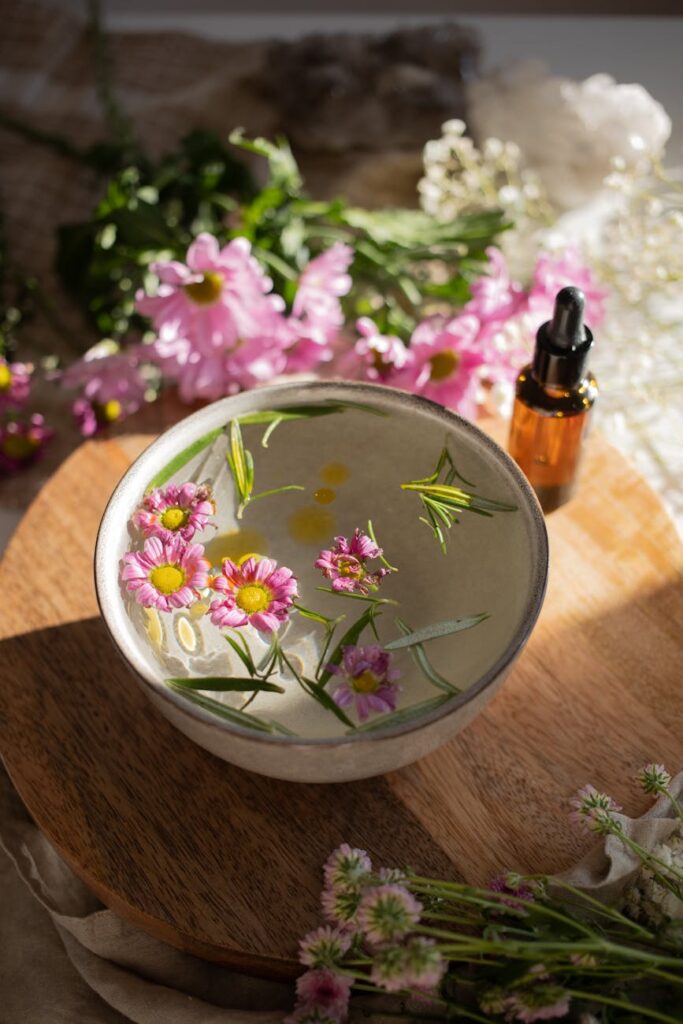
History and Origins of Floral Hydrosols for Immune System Boost
Introduction
Floral hydrosols, often referred to as floral waters, have a rich history rooted in ancient practices of distillation and herbal medicine. These aromatic waters, derived from the steam distillation of flowers, have been utilized for centuries across various cultures for their therapeutic properties. In recent years, there has been a growing interest in their potential benefits for the immune system. This article will explore the history and origins of floral hydrosols, their key benefits, common uses, and safety considerations, providing a comprehensive overview for those interested in incorporating these fragrant elixirs into their wellness routines.
What Is Floral Hydrosols for Immune System Boost?
Floral hydrosols are the byproducts of essential oil production, capturing the water-soluble components of plant materials during steam distillation. Unlike essential oils, which are concentrated and potent, hydrosols possess a gentler aromatic profile and a milder therapeutic effect, making them suitable for a broader range of applications. The delicate nature of hydrosols allows them to retain many of the beneficial properties of their source plants.
For immune system support, specific floral hydrosols—such as rose, lavender, and chamomile—are particularly noted for their soothing, anti-inflammatory, and antimicrobial properties. These hydrosols work synergistically to promote wellness and bolster the body’s natural defenses.
Key Benefits and Properties
Floral hydrosols offer a myriad of benefits, particularly for enhancing immune function. Here are some key properties associated with commonly used floral hydrosols:
1. Antimicrobial Properties
Several floral hydrosols possess natural antimicrobial qualities that may help protect against pathogens. For example, lavender hydrosol has been documented to exhibit antibacterial properties, making it a popular choice for supporting overall health.
2. Anti-Inflammatory Effects
Many hydrosols, such as chamomile, are known for their anti-inflammatory properties, which can help reduce the body’s inflammatory response. This can be particularly beneficial in preventing excessive inflammation during infections.
3. Soothing and Calming
Floral hydrosols are often used for their calming effects, which can be beneficial for stress reduction. Stress has been shown to weaken the immune system, making relaxation essential for maintaining health.
4. Hydration and Skin Health
Hydrosols can be hydrating and soothing for the skin, which is the body’s first line of defense against external threats. Hydrating the skin can help maintain its barrier function, thereby contributing to overall immune health.
Common Uses
Floral hydrosols can be utilized in various ways to support the immune system and enhance overall well-being:
1. Facial Toner
Hydrosols such as rose or lavender can be used as facial toners to hydrate the skin, balance pH levels, and enhance the skin’s protective barrier.
2. Room Spray
Creating a calming environment can help reduce stress levels. Hydrosols can be used as room sprays to infuse the air with soothing scents while simultaneously providing antimicrobial benefits.
3. Bath Additive
Adding floral hydrosols to a warm bath can create a relaxing experience, promoting both physical and emotional well-being.
4. Compresses
Soaked cloths in floral hydrosols can be applied to areas of inflammation or irritation, offering localized relief and soothing properties.
5. Inhalation
Inhaling the aroma of floral hydrosols can provide immediate stress relief and promote a sense of calm, which may indirectly support immune function.
Aromatherapy Applications
Aromatherapy is one of the most popular applications of floral hydrosols. Their gentle scents can be integrated into various practices:
1. Diffusion
Using a diffuser, floral hydrosols can be dispersed in the air, allowing their aromatic compounds to be inhaled. This can create a serene atmosphere and promote emotional balance.
2. Massage
Diluted floral hydrosols can be used as a massage medium, enhancing relaxation and improving circulation, which may support immune function.
3. Meditation Practices
Incorporating floral hydrosols into meditation routines can enhance the sensory experience and promote a tranquil mindset.
Safety Considerations
While floral hydrosols are generally regarded as safe for most individuals, it is essential to keep some safety considerations in mind:
1. Patch Test
Before using a new hydrosol on the skin, perform a patch test by applying a small amount to an inconspicuous area to check for any allergic reactions.
2. Pregnancy and Nursing
Those who are pregnant or nursing should consult with a healthcare professional before using new hydrosols to ensure their safety.
3. Children
Some hydrosols may not be suitable for young children. It is advisable to consult with a knowledgeable practitioner for guidance on appropriate use.
4. Storage
Proper storage is crucial to maintaining the quality of floral hydrosols. They should be kept in a cool, dark place and away from direct sunlight to prevent degradation.
Storage and Shelf Life
The shelf life of floral hydrosols can vary based on their composition and storage conditions. Generally, hydrosols have a shelf life of 6 months to 2 years when stored correctly. To maximize their longevity:
- Keep Refrigerated: If possible, store floral hydrosols in the refrigerator to prolong their freshness.
- Use Dark Glass Bottles: Dark glass containers help protect the hydrosol from light exposure, which can accelerate degradation.
- Seal Tightly: Ensure that the container is sealed tightly to prevent contamination.
Frequently Asked Questions
1. What is the difference between essential oils and floral hydrosols?
Essential oils are concentrated extracts of plants with strong aromatic properties, while floral hydrosols are the water-based byproducts of the distillation process, containing a gentler, more diluted form of the plant’s beneficial compounds.
2. Can I drink floral hydrosols?
While some floral hydrosols are considered safe for ingestion in small amounts, it is essential to consult with a healthcare professional before consuming any hydrosol to ensure it is safe and appropriate for individual health needs.
3. How do I choose the right floral hydrosol for immune support?
Selecting the right floral hydrosol depends on individual preferences and specific needs. Researching the properties of various hydrosols can help guide your choice, or you may consult with an aromatherapy professional for tailored recommendations.
4. Are there any side effects associated with floral hydrosols?
Generally, floral hydrosols are well-tolerated; however, some individuals may experience allergic reactions or sensitivities. Conducting a patch test before widespread use is advisable.
Conclusion
The history and origins of floral hydrosols are deeply intertwined with the traditions of herbal medicine and aromatherapy. Their potential benefits for immune system support make them a valuable addition to holistic wellness practices. By understanding their properties, uses, and safety considerations, individuals can effectively incorporate floral hydrosols into their routines, fostering a deeper connection to nature and enhancing overall well-being. As interest in natural remedies continues to grow, floral hydrosols stand out as a fragrant and gentle option for those seeking to nurture their health.