
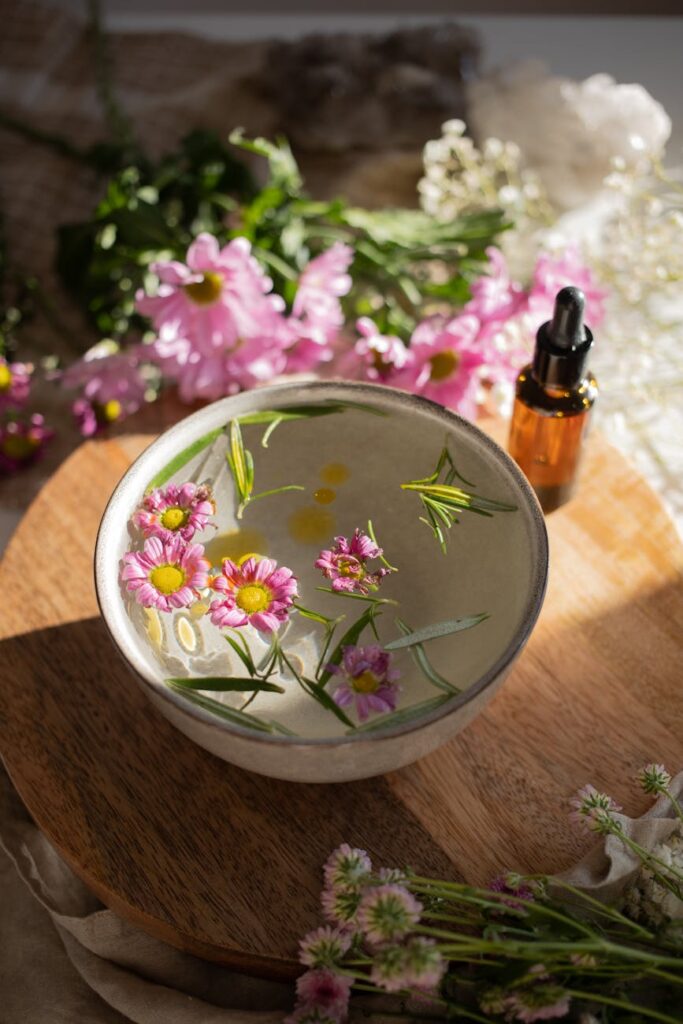
History and Origins of Floral Hydrosols for Mood Enhancement with Specific Flowers
Introduction
Floral hydrosols, often referred to as flower waters, have been cherished for centuries across various cultures for their aromatic properties and therapeutic benefits. Derived from the steam distillation of plant materials, hydrosols capture the essence of the flowers they are sourced from, offering a gentler alternative to essential oils. This article delves into the history and origins of floral hydrosols, exploring their unique role in mood enhancement through specific flowers, their benefits, common uses, and more.
What Is Floral Hydrosols for Mood Enhancement with Specific Flowers?
Floral hydrosols are aqueous solutions that remain after the steam distillation of plant materials, primarily flowers. Unlike essential oils, which are highly concentrated and potent, hydrosols are milder and safer for a broader range of applications. They contain water-soluble compounds, including aromatic constituents and therapeutic properties, making them suitable for topical use, ingestion in small quantities, and as a natural way to enhance mood.
The mood-enhancing qualities of floral hydrosols can be attributed to their aromatic profiles and the specific chemical compounds found in the flowers used for their production. Popular flowers such as lavender, rose, chamomile, and geranium are frequently utilized for their calming and uplifting effects.
Key Benefits and Properties
Floral hydrosols offer a myriad of benefits, particularly when it comes to mood enhancement. Some of the key properties include:
1. Aromatic Qualities
The gentle scent of floral hydrosols can evoke emotions and memories, contributing to mood elevation and relaxation. Different hydrosols offer unique scent profiles, allowing individuals to choose based on personal preference and desired effects.
2. Calming Effects
Many floral hydrosols, such as lavender, have soothing properties that can help reduce anxiety and promote tranquility. The use of these hydrosols in aromatherapy can facilitate a sense of calmness.
3. Uplifting Properties
Certain flowers, like rose and geranium, are known for their uplifting effects. Using these hydrosols can help alleviate feelings of sadness and create a more positive emotional atmosphere.
4. Hydration and Skin Benefits
In addition to mood enhancement, floral hydrosols can also hydrate the skin and provide anti-inflammatory benefits. This dual action makes them a popular choice in both skincare routines and emotional well-being practices.
Common Uses
Floral hydrosols can be utilized in various ways, enhancing not only mood but also overall well-being. Common applications include:
1. Facial Toners
Hydrosols serve as excellent facial toners, helping to balance the skin’s pH and provide moisture. The calming properties of lavender or chamomile hydrosols can also help soothe irritated skin.
2. Room Sprays
Creating an uplifting or calming atmosphere in living spaces is easily achieved with floral hydrosol room sprays. Mixing hydrosols with water in a spray bottle allows for a quick and effective mood booster.
3. Bath Additives
Adding floral hydrosols to bath water can enhance the relaxing experience, allowing the scent to envelop the individual and promote emotional well-being.
4. Linen Sprays
Spraying linens and pillows with floral hydrosols, such as rose or geranium, can create a soothing bedtime environment, promoting better sleep and relaxation.
5. Culinary Uses
Certain hydrosols, like rose or orange blossom, can be used in food and beverage applications, providing flavor and aroma while enhancing mood.
Aromatherapy Applications
In aromatherapy, floral hydrosols are often used in combination with essential oils or on their own. Their milder nature makes them suitable for various applications, including:
1. Inhalation
Inhaling the scent of floral hydrosols can stimulate olfactory receptors, leading to emotional and psychological effects. This can be done through steam inhalation or simply by spritzing the hydrosol into the air.
2. Massage
When diluted properly, floral hydrosols can be incorporated into massage oils. Their soothing properties can enhance relaxation during massage therapy.
3. Meditation and Mindfulness
Using floral hydrosols during meditation can help create a serene environment, allowing individuals to focus and connect with their inner selves. The scents can promote mindfulness and grounding.
4. Diffusion
Using a diffuser, floral hydrosols can be dispersed into the air, filling a space with their aromatic properties. This method allows for a continuous release of beneficial compounds.
Safety Considerations
Although floral hydrosols are generally considered safe, some precautions should be taken:
1. Patch Testing
Before using a hydrosol, especially on the skin, it is advisable to conduct a patch test to check for any allergic reactions or sensitivities.
2. Dilution
While floral hydrosols are milder than essential oils, it is still advisable to dilute them for topical applications, particularly for sensitive skin.
3. Quality Assurance
Opt for high-quality, organic hydrosols from reputable sources. Poor-quality products may contain additives or contaminants that could affect safety and efficacy.
4. Pregnancy and Nursing
Pregnant or nursing individuals should consult with healthcare professionals before using floral hydrosols, as some flowers may have contraindications.
Storage and Shelf Life
Proper storage is vital to maintaining the quality and efficacy of floral hydrosols. Here are some key considerations:
1. Dark Glass Bottles
Store hydrosols in dark glass bottles to protect them from light exposure, which can degrade their quality over time.
2. Cool Environment
Keep hydrosols in a cool, dark place, away from direct sunlight and heat sources. Refrigeration can be beneficial, especially in warmer climates.
3. Shelf Life
Floral hydrosols generally have a shelf life of 1 to 3 years, depending on the flower and storage conditions. Always check for any changes in scent or appearance before use.
Frequently Asked Questions
1. What is the difference between floral hydrosols and essential oils?
Floral hydrosols are the byproduct of steam distillation and contain water-soluble compounds, making them milder than essential oils, which are concentrated extracts containing volatile compounds.
2. Can I use floral hydrosols internally?
While some hydrosols are safe for internal use in small amounts, it is essential to consult with a knowledgeable professional before doing so.
3. How do I choose the right floral hydrosol for mood enhancement?
Consider the aromatic profile and properties of different flowers. For calming effects, lavender or chamomile may be suitable, while rose or geranium can provide uplifting properties.
4. Are there any side effects associated with floral hydrosols?
Side effects are rare, but some individuals may experience sensitivities or allergic reactions. It is advisable to conduct a patch test before topical application.
5. How can I incorporate floral hydrosols into my daily routine?
Floral hydrosols can be used in skincare, room sprays, bath additives, and culinary applications, making them versatile additions to daily practices for mood enhancement.
Conclusion
The history and origins of floral hydrosols reveal a rich tradition of utilizing the aromatic and therapeutic properties of flowers to enhance mood and well-being. As gentle and versatile products, they offer a myriad of benefits ranging from emotional support to skincare. By understanding their properties, common uses, and safety considerations, individuals can effectively incorporate floral hydrosols into their daily routines, fostering a harmonious balance of mind and body.