
History and Origins of Floral Hydrosols for Relaxation
Introduction
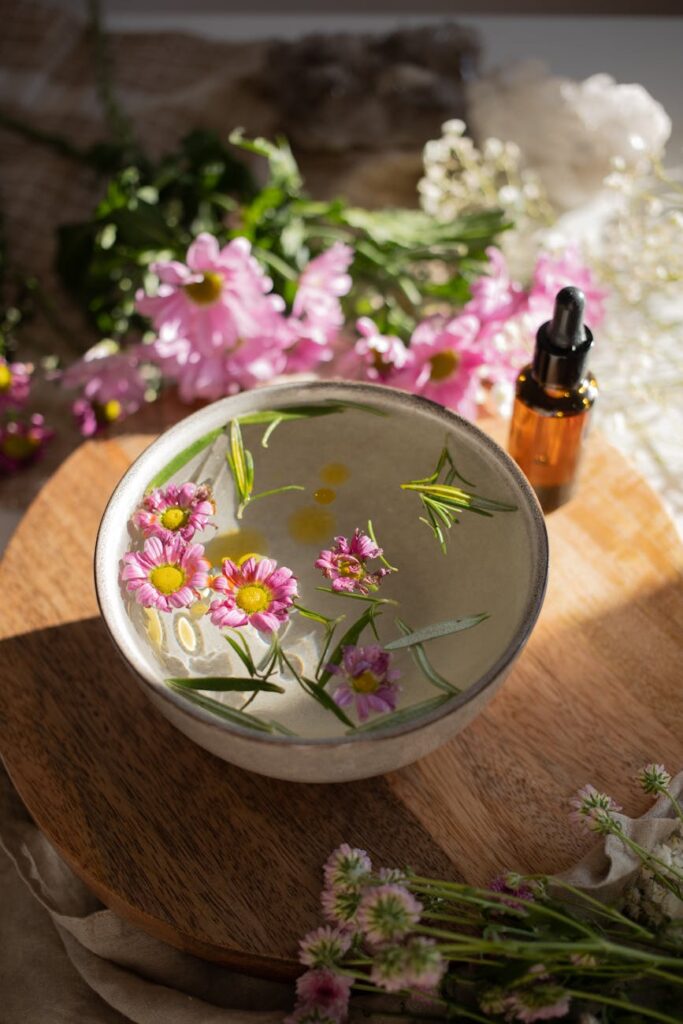
Floral hydrosols, often referred to as floral waters, are aromatic water byproducts derived from the steam distillation of plant materials, particularly flowers. These gentle, fragrant liquids have been used for centuries across various cultures for their soothing properties and calming effects. This article aims to explore the history and origins of floral hydrosols, their benefits, common uses, and applications in aromatherapy, providing a comprehensive overview of these versatile products.
What Is Floral Hydrosols for Relaxation?
Floral hydrosols are the aqueous solutions that remain after the distillation of essential oils. Unlike essential oils, which are concentrated and potent, hydrosols are lighter, more diluted, and carry the subtle aromatic properties of the original plant. While essential oils are often used for their therapeutic properties, hydrosols are celebrated for their gentler effects, making them particularly suitable for relaxation and comfort.
The primary floral hydrosols used for relaxation include rose, lavender, chamomile, and geranium. Each of these hydrosols possesses unique characteristics that contribute to their calming effects.
Key Benefits and Properties
Floral hydrosols offer a range of benefits, making them popular choices for relaxation:
1. Mild Aromatic Qualities: The fragrance of floral hydrosols is soft and subtle, providing a gentle sensory experience that can help reduce stress and promote a sense of well-being.
2. Hydration: Many hydrosols can hydrate the skin, making them a soothing addition to skincare routines, especially for those seeking relaxation after a long day.
3. Psychological Comfort: The calming scents of certain hydrosols can help alleviate feelings of anxiety and promote emotional balance.
4. Antimicrobial Properties: Some floral hydrosols exhibit antimicrobial qualities, which may contribute to their use in personal care and wellness practices.
5. Versatility: Floral hydrosols can be used in various ways, from facial mists to room sprays, offering flexibility in how they can be incorporated into daily routines.
Common Uses
Floral hydrosols have a multitude of applications, both in personal care and home environments:
- Facial Mists: Hydrosols can be used as refreshing facial mists that hydrate and revitalize the skin, particularly in dry or stressful environments.
- Bath Additives: Adding floral hydrosols to bath water can enhance relaxation, creating a spa-like experience at home.
- Room Fresheners: When sprayed in the air, floral hydrosols can uplift the atmosphere, creating a peaceful and inviting space.
- Hair Care: Hydrosols can be used as hair rinses or sprays, providing fragrance and nourishment to the hair and scalp.
- Culinary Uses: Some floral hydrosols, like rose and orange blossom, can be utilized in cooking and baking, adding a delicate flavor to dishes.
- Diffusion: Floral hydrosols can be added to diffusers to disperse their calming aromas throughout a space, promoting relaxation and tranquility.
- Massage: When combined with carrier oils, floral hydrosols can be used in massage therapy, enhancing the overall relaxation experience.
- Meditation Practices: Incorporating floral hydrosols into meditation or yoga practices can elevate the atmosphere, encouraging a deeper sense of calm.
- Emotional Support: The subtle fragrances of floral hydrosols can help in emotional healing practices, providing comfort during times of stress or anxiety.
- Patch Testing: It is advisable to conduct a patch test before using a new hydrosol on the skin to check for any allergic reactions or sensitivities.
- Quality Matters: Always choose high-quality, pure hydrosols from reputable sources to ensure they are free from additives, preservatives, or synthetic fragrances.
- Consultation: Individuals with specific health concerns or those who are pregnant should consult with a qualified healthcare professional before using floral hydrosols.
- Children and Pets: Some hydrosols may not be suitable for use with young children or pets. It is essential to research specific hydrosols and their effects before introducing them into the environment.
- Cool, Dark Place: To extend shelf life, hydrosols should be stored in a cool, dark place, away from direct sunlight and heat sources.
- Glass Containers: Ideally, floral hydrosols should be kept in dark glass bottles, which help protect the liquid from light and air exposure.
- Expiration: Generally, floral hydrosols have a shelf life of 1 to 3 years, depending on the type and quality. Always check for any changes in color, scent, or clarity, which may indicate spoilage.
Aromatherapy Applications
In the realm of aromatherapy, floral hydrosols serve as a gentle alternative to essential oils. They can be particularly useful for individuals who may be sensitive to stronger scents or are looking for milder options.
Safety Considerations
While floral hydrosols are generally considered safe for most individuals, there are some important safety considerations to keep in mind:
Storage and Shelf Life
Proper storage is crucial for maintaining the quality and efficacy of floral hydrosols:
Frequently Asked Questions
What is the difference between essential oils and floral hydrosols?
Essential oils are concentrated extracts from plants, while floral hydrosols are the byproducts of the distillation process and contain much lower concentrations of the same plant’s aromatic compounds.
How can I use floral hydrosols in my daily routine?
Floral hydrosols can be incorporated into your daily routine as facial mists, bath additives, room sprays, or even in cooking, depending on your preferences.
Are floral hydrosols safe for sensitive skin?
Many floral hydrosols are gentle and can be suitable for sensitive skin. However, it is always recommended to perform a patch test first.
Can floral hydrosols be used in cooking?
Yes, certain floral hydrosols like rose and orange blossom are used in culinary applications, providing a unique flavor to various dishes and beverages.
How should I choose a floral hydrosol?
When choosing a floral hydrosol, look for products that are pure, organic, and free from additives. Reputable brands often provide information on sourcing and distillation methods.
Conclusion
Floral hydrosols embody a rich history that intertwines with the practices of aromatherapy and holistic wellness. Their gentle nature and versatile applications make them invaluable for relaxation and emotional support. Whether used in skincare, aromatherapy, or culinary endeavors, floral hydrosols continue to be celebrated for their soothing properties and fragrant allure. As interest in natural remedies and self-care practices grows, the importance of understanding and appreciating the origins of these floral waters becomes increasingly significant.