
History and Origins of Floral Hydrosols for Scalp Care
Introduction
Floral hydrosols, often referred to as herbal distillates or floral waters, have a rich history that intertwines with the development of aromatherapy and herbal medicine. These aromatic waters are produced during the steam distillation process of essential oils, capturing the essence of the plant while retaining beneficial properties. Over centuries, cultures around the world have utilized floral hydrosols for various purposes, including skincare, culinary applications, and notably, scalp care. This article explores the origins and history of floral hydrosols, particularly their role in scalp care, while delving into their benefits, uses, and safety considerations.
What Is Floral Hydrosols for Scalp Care?
Floral hydrosols are the by-products of the essential oil distillation process. When aromatic plant materials are steam-distilled, two products are created: essential oils and hydrosols. While essential oils are concentrated and potent, hydrosols are more diluted and contain water-soluble constituents, making them gentler and suitable for various applications, including scalp care.
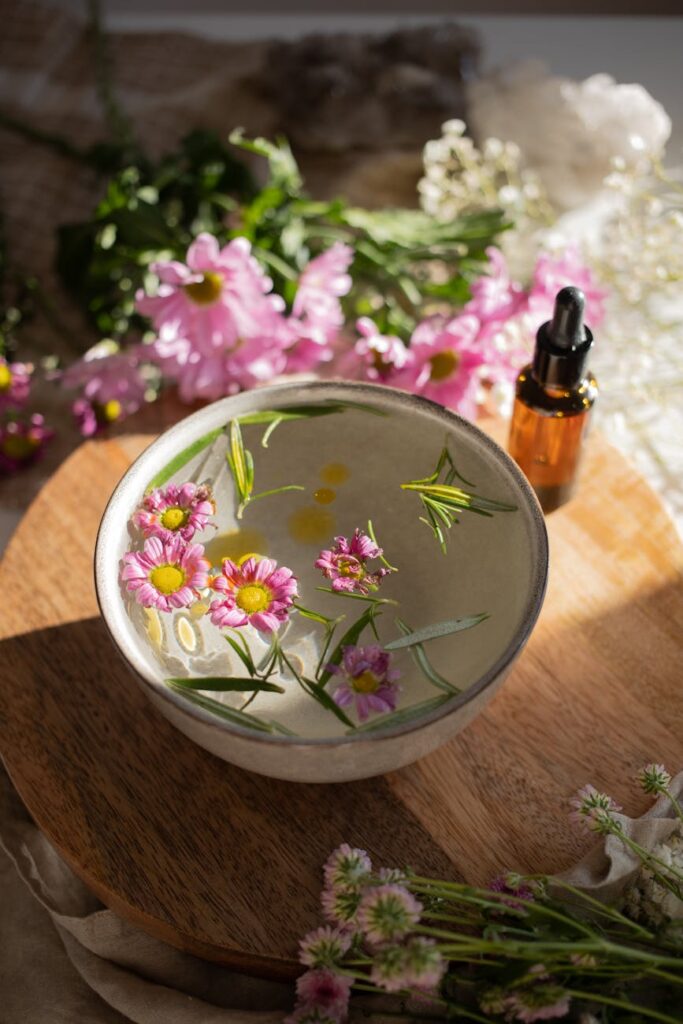
For scalp care, floral hydrosols can be derived from a range of botanicals, including lavender, rose, chamomile, and rosemary. These hydrosols are used for their aromatic qualities and therapeutic properties, offering a soothing and refreshing experience while supporting scalp health.
Key Benefits and Properties
Floral hydrosols possess numerous beneficial properties that make them valuable for scalp care. Some of the key benefits include:
1. Hydration
Floral hydrosols are primarily composed of water, which makes them excellent for hydrating the scalp. They can help maintain moisture levels, preventing dryness and flakiness.
2. Soothing and Calming
Many floral hydrosols, such as chamomile and lavender, have calming properties that can soothe irritations and reduce itching. This can be especially beneficial for individuals with sensitive scalps or conditions that cause inflammation.
3. Antimicrobial Properties
Certain floral hydrosols contain natural antimicrobial agents that can help inhibit the growth of bacteria and fungi on the scalp, potentially reducing issues like dandruff and scalp acne.
4. Balancing Oil Production
Hydrosols like rosemary and witch hazel can help balance oil production on the scalp, making them suitable for both oily and dry conditions.
5. Aromatherapy Benefits
The scent of floral hydrosols can promote relaxation and well-being. Their aromatic qualities can enhance the overall experience of scalp care, contributing to mental and emotional health.
Common Uses
Floral hydrosols can be utilized in various ways for scalp care. Here are some common applications:
1. Scalp Spray
One of the simplest ways to use floral hydrosols is by creating a scalp spray. By transferring the hydrosol into a spray bottle, users can mist it directly onto the scalp for an instant refreshing effect.
2. Hair Rinse
Floral hydrosols can be used as a final hair rinse after shampooing. This not only adds fragrance but also imparts beneficial properties that can enhance the overall health of the hair and scalp.
3. Soothing Compress
For those experiencing scalp irritation, a soothing compress can be made by soaking a cloth in diluted floral hydrosol and applying it directly to the scalp. This method provides localized relief and hydration.
4. In Hair Masks
Incorporating floral hydrosols into hair masks can enhance their effectiveness. Mixing hydrosols with carrier oils or other natural ingredients can create a nourishing treatment for the scalp and hair.
5. Aromatherapy Blends
Floral hydrosols can be blended with essential oils to create customized scalp care products. These blends can be used in various formulations, including scalp oils, lotions, or creams.
Aromatherapy Applications
In the realm of aromatherapy, floral hydrosols serve as a bridge between essential oils and water-based applications. Their gentle nature allows for broader use, especially in sensitive areas like the scalp.
1. Stress Relief
The aromatic qualities of floral hydrosols like lavender and rose can promote relaxation and reduce stress. Incorporating these hydrosols into scalp care routines can enhance the overall experience, contributing to mental well-being.
2. Enhancing Meditation and Mindfulness
Using floral hydrosols in a calming environment can enhance meditation practices. A light mist of hydrosol during meditation can create a soothing atmosphere, promoting a deeper state of relaxation.
3. Diffusion
Floral hydrosols can also be used in diffusers, allowing their fragrances to fill a room. This can create a calming environment, making them an excellent addition to self-care routines that incorporate scalp care.
Safety Considerations
While floral hydrosols are generally considered safe for topical use, it is essential to take certain precautions:
1. Patch Test
Before applying any new hydrosol, it is advisable to conduct a patch test. Apply a small amount to a discreet area of skin and observe for any adverse reactions over 24 hours.
2. Dilution
Although floral hydrosols are milder than essential oils, certain individuals may still experience sensitivity. Diluting hydrosols with water or a carrier oil can help mitigate potential reactions.
3. Quality Matters
It is crucial to choose high-quality, pure floral hydrosols from reputable sources. Some products may contain additives or synthetic fragrances that can irritate the scalp or skin.
Storage and Shelf Life
Proper storage is essential to maintain the quality and efficacy of floral hydrosols. Here are some guidelines:
1. Cool, Dark Place
Store floral hydrosols in a cool, dark place, away from direct sunlight and heat sources. This helps preserve their aromatic and therapeutic properties.
2. Use Glass Containers
Glass containers are preferable for storage, as they do not leach chemicals into the hydrosol. Dark glass bottles can provide additional protection from light.
3. Shelf Life
Typically, floral hydrosols have a shelf life of 1-2 years, depending on the specific hydrosol and storage conditions. Always check for any changes in smell, appearance, or consistency before use.
Frequently Asked Questions
1. Can I use floral hydrosols directly on my scalp?
Yes, floral hydrosols can be applied directly to the scalp; however, it’s advisable to perform a patch test first to check for sensitivity.
2. Are floral hydrosols safe for all hair types?
Generally, floral hydrosols are safe for various hair types. However, individuals with specific allergies or sensitivities should exercise caution and consult product labels.
3. How often can I use floral hydrosols on my scalp?
You can use floral hydrosols as often as desired. Many people use them daily as a refreshing scalp spray or in their hair care routines.
4. Do floral hydrosols expire?
Yes, floral hydrosols have a limited shelf life, typically 1-2 years. Proper storage can help prolong their freshness.
5. Can I mix different floral hydrosols?
Yes, blending different floral hydrosols can create unique aromatic and therapeutic profiles. However, consider the properties of each hydrosol to ensure compatibility.
Conclusion
Floral hydrosols have a storied history and a diverse range of applications, particularly in scalp care. Their gentle properties, combined with their aromatic qualities, make them a valuable addition to hair care routines. As we continue to explore the benefits of these delightful distillates, floral hydrosols can serve as a natural and effective means to promote scalp health, enhance well-being, and elevate self-care practices. Whether used alone or in combination with other ingredients, floral hydrosols offer a holistic approach to scalp care that honors their rich heritage while embracing modern wellness practices.