
History and Origins of Floral Hydrosols for Scalp Health
Introduction
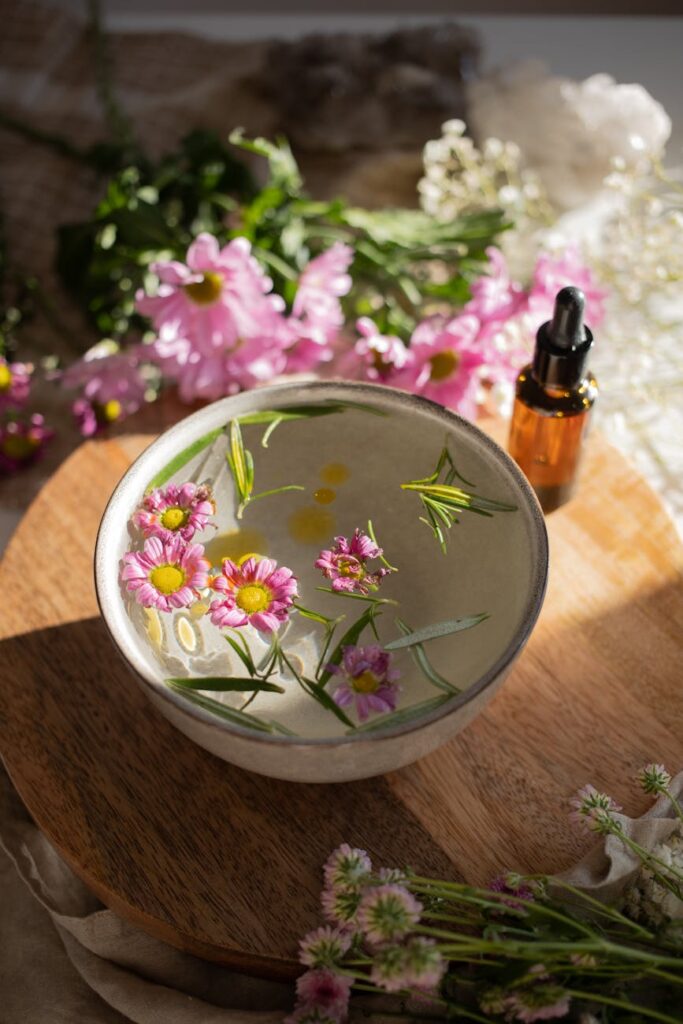
Floral hydrosols, also known as flower waters, have been utilized for centuries as gentle and effective natural remedies for various applications, including skin and scalp health. Derived through the steam distillation of plant materials, hydrosols possess unique properties that make them suitable for a variety of uses. This article explores the history and origins of floral hydrosols, particularly their role in promoting scalp health, and offers insights into their benefits, common uses, and safety considerations.
What Is Floral Hydrosols for Scalp Health?
Floral hydrosols are the aromatic waters that remain after the steam distillation process of essential oils. Unlike essential oils, which are highly concentrated and potent, hydrosols are milder and often more suitable for direct application on the skin and scalp. They contain water-soluble compounds, trace elements, and a small amount of essential oil, providing therapeutic benefits without the intensity of concentrated oils.
When it comes to scalp health, floral hydrosols can help balance the scalp’s natural oils, soothe irritation, and promote a healthy environment for hair growth. Popular varieties for scalp health include rose, lavender, chamomile, and rosemary hydrosols, each offering unique properties beneficial to hair and scalp.
Key Benefits and Properties
Floral hydrosols have a range of beneficial properties that make them suitable for scalp health:
1. Soothing and Calming: Many floral hydrosols, such as lavender and chamomile, possess anti-inflammatory properties that can help soothe an irritated scalp.
2. Hydration: Hydrosols can provide moisture to the scalp, combating dryness and flakiness.
3. Balancing: Certain hydrosols, like rosemary, are known for their ability to balance oil production, making them useful for both oily and dry scalps.
4. Antimicrobial Properties: Some hydrosols have natural antimicrobial characteristics, helping to reduce the presence of dandruff and other scalp issues.
5. Aromatherapy Benefits: The aroma of floral hydrosols can promote relaxation and well-being, enhancing the overall experience of scalp treatments.
Common Uses
Floral hydrosols can be incorporated into various hair and scalp care routines. Here are some common applications:
- Scalp Mist: Spraying a hydrosol directly onto the scalp can provide instant hydration and relief from irritation. This is particularly beneficial in dry climates or during the winter months.
- Hair Rinse: After shampooing, a diluted hydrosol can be used as a final rinse to impart fragrance and nourishment to the hair.
- Scalp Massage: Incorporating hydrosols into massage oils or using them alone can enhance the benefits of scalp massages, promoting circulation and relaxation.
- Conditioner Alternative: For those seeking a more natural approach, hydrosols can serve as a light conditioner, providing moisture without weighing hair down.
- Diffusion: While hydrosols are not typically used in diffusers, they can be sprayed into the air to create a calming environment, particularly with calming varieties like lavender or chamomile.
- Bathing: Adding a splash of floral hydrosol to bathwater can create a soothing atmosphere and promote relaxation, further benefiting the scalp and hair.
- Personal Care Products: Floral hydrosols can be incorporated into homemade shampoos, conditioners, and hair masks, enhancing their effectiveness and imparting a pleasant scent.
- Facial Spritzers: Many individuals use floral hydrosols on their face as a toner or refreshing mist, which can also be beneficial for the scalp if applied in the hairline area.
- Patch Test: Before using a new hydrosol, it is advisable to conduct a patch test on a small area of skin to check for any allergic reactions.
- Quality Matters: Always choose high-quality, organic floral hydrosols to ensure they are free from additives and contaminants.
- Storage: Store hydrosols in a cool, dark place to maintain their efficacy and prevent spoilage.
- Pregnancy and Sensitivity: Some individuals, including pregnant women or those with certain sensitivities, should consult with a healthcare professional before using specific floral hydrosols.
- Containers: Use dark glass bottles to protect the hydrosol from light, which can degrade its quality over time.
- Cool Environment: Store hydrosols in a refrigerator or a cool, dark place to extend their shelf life.
- Shelf Life: Depending on the type and storage conditions, floral hydrosols typically have a shelf life ranging from one to three years. Always check for changes in smell or appearance before use.
Aromatherapy Applications
Incorporating floral hydrosols into aromatherapy practices can enhance the overall experience and benefits. Here are a few ways to integrate them:
Safety Considerations
While floral hydrosols are generally considered safe for most individuals, some precautions should be taken:
Storage and Shelf Life
Proper storage is crucial for maintaining the quality and efficacy of floral hydrosols. Here are some tips:
Frequently Asked Questions
1. Can floral hydrosols be used on all hair types?
Yes, floral hydrosols are generally safe for all hair types. However, individuals may want to choose specific hydrosols based on their scalp condition and hair needs.
2. How often should I use floral hydrosols on my scalp?
Usage can vary based on personal preference and scalp condition. Many people find benefit from using a hydrosol daily or a few times a week.
3. Can I mix different hydrosols?
Yes, many individuals enjoy combining different floral hydrosols to create a customized blend that suits their preferences and needs.
4. Are floral hydrosols the same as essential oils?
No, floral hydrosols are not the same as essential oils. While both are derived from plants, hydrosols are milder and contain water-soluble compounds, making them safer for direct application to the skin and scalp.
5. Do floral hydrosols have an expiration date?
While they can last one to three years with proper storage, it’s essential to check for any changes in scent or appearance before use.
Conclusion
Floral hydrosols have a rich history and offer a myriad of benefits for scalp health. Their gentle nature makes them a preferred choice for those seeking natural remedies in their hair care routines. With a proper understanding of their applications, safety considerations, and storage requirements, individuals can maximize the benefits of these aromatic waters for healthier and more vibrant hair. By integrating floral hydrosols into daily routines, one can embrace the beauty of nature while promoting overall scalp well-being.