
History and Origins of Floral Hydrosols for Skin Brightening with Specific Flowers
Introduction
Floral hydrosols, often referred to as flower waters, have captivated humanity for centuries with their delicate scents and beneficial properties. These aromatic waters, produced during the steam distillation of essential oils, are not only prized for their fragrance but also for their therapeutic applications, especially in skincare. In this article, we delve into the history and origins of floral hydrosols, focusing on their usage for skin brightening and the specific flowers that contribute to these effects.
What Are Floral Hydrosols for Skin Brightening with Specific Flowers?
Floral hydrosols are the byproducts of essential oil extraction. When plant material is steam-distilled, two products are generated: the essential oil and the hydrosol. The hydrosol contains water-soluble compounds, which include beneficial phytochemicals and aromatic constituents that differ significantly from those found in the corresponding essential oils.
In the context of skin brightening, certain floral hydrosols are particularly renowned for their ability to enhance complexion, reduce the appearance of blemishes, and impart a healthy glow. Popular hydrosols such as rose, lavender, chamomile, and neroli have garnered attention in skincare routines, thanks to their unique properties that promote radiant skin.
Key Benefits and Properties
Floral hydrosols possess a variety of potential benefits that contribute to skin brightening:
1. Antioxidant Properties: Many floral hydrosols contain natural antioxidants, which help protect the skin from oxidative stress caused by environmental factors such as UV radiation and pollution.
2. Anti-inflammatory Effects: Hydrosols like chamomile and lavender are known for their soothing properties, which can calm irritated skin and reduce redness, contributing to a more even complexion.
3. Hydration: Floral hydrosols provide essential moisture to the skin, helping to maintain hydration levels and prevent dryness—a key factor in skin dullness.
4. Astringent Qualities: Some hydrosols, such as witch hazel, are known for their astringent properties, which can help tighten pores and improve skin texture.
5. Brightening Effects: Specific flowers, like rose and neroli, are celebrated for their ability to enhance skin tone and luminosity, making them popular choices in formulations aimed at achieving a brighter complexion.
Common Uses
Floral hydrosols can be incorporated into skincare routines in various ways:
1. Facial Toners: Used as a toner, floral hydrosols can help balance the skin’s pH and prepare it for subsequent skincare products.
2. Mist: Spritzing hydrosols throughout the day can refresh the skin and provide a burst of hydration, particularly in dry environments.
3. Cleansers: Some hydrosols can be used as gentle cleansers, helping to remove impurities while nourishing the skin.
4. Face Masks: When combined with clay or other natural ingredients, floral hydrosols can enhance the effects of face masks, providing additional hydration and nourishment.
5. Bath Additives: Adding floral hydrosols to bathwater can create a soothing and aromatic experience, benefiting both the skin and the senses.
Aromatherapy Applications
In addition to their skincare benefits, floral hydrosols are widely used in aromatherapy for their calming and uplifting properties. The gentle scents of these waters can promote relaxation, reduce stress, and enhance mood. For instance:
- Rose Hydrosol: Often used in meditation and self-care rituals, the scent of rose is associated with love and compassion, making it a popular choice for emotional healing.
- Lavender Hydrosol: Renowned for its calming properties, lavender is commonly used to alleviate anxiety and promote restful sleep.
- Neroli Hydrosol: The sweet, citrusy aroma of neroli is celebrated for its uplifting effects, making it a popular choice for combating feelings of fatigue and stress.
- Refrigeration: Storing hydrosols in the refrigerator can help prolong their freshness and effectiveness.
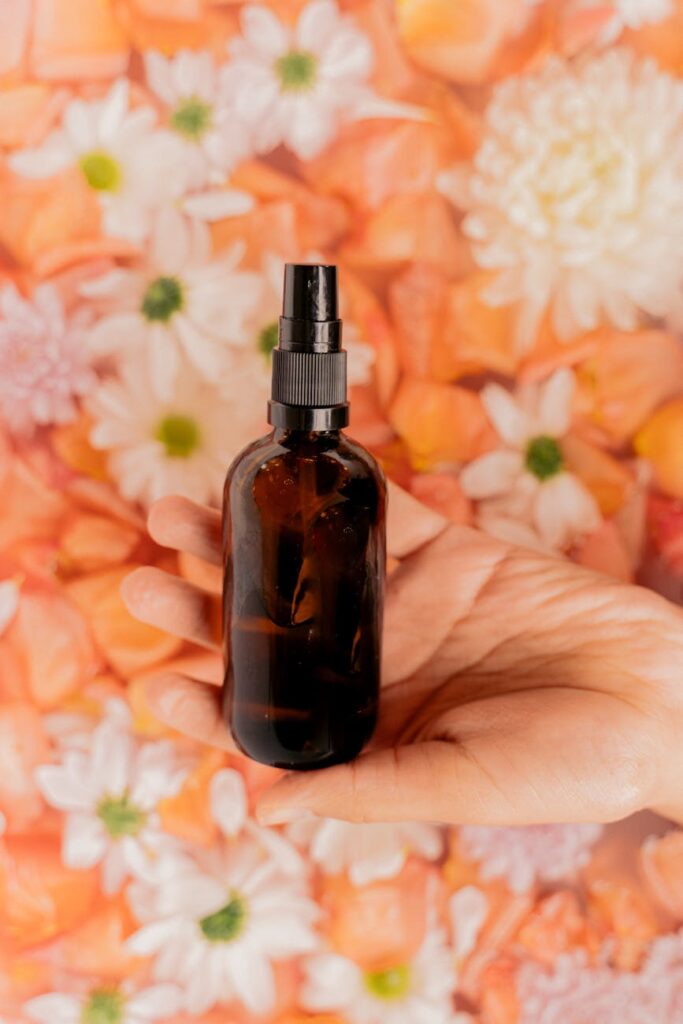
- Dark Glass Bottles: Using dark glass containers can protect the hydrosol from light exposure, reducing the risk of degradation.
- Avoid Contamination: Always use clean utensils when dispensing hydrosols to prevent contamination and spoilage.
The therapeutic potential of floral hydrosols extends beyond the skin, offering holistic benefits that can enhance overall well-being.
Safety Considerations
While floral hydrosols are generally considered safe for topical use, it is essential to take certain precautions:
1. Patch Test: Conducting a patch test is recommended before using any new product. Apply a small amount of the hydrosol to a discreet area of skin and observe for any adverse reactions.
2. Dilution: Although hydrosols are milder than essential oils, some individuals may still experience sensitivity. Diluting hydrosols with water or carrier oils can reduce the risk of irritation.
3. Storage: Proper storage is crucial for maintaining the quality of floral hydrosols. Keep them in cool, dark places, away from direct sunlight, to prolong their potency.
4. Consultation: For individuals with specific skin concerns or conditions, consulting a skincare professional prior to use is advisable.
Storage and Shelf Life
Floral hydrosols have a generally shorter shelf life compared to essential oils, typically ranging from six months to two years, depending on the flower and storage conditions. To maximize their shelf life:
Frequently Asked Questions
1. Can floral hydrosols be used by all skin types?
Yes, most floral hydrosols are gentle and suitable for various skin types. However, individuals with sensitive skin should conduct a patch test and consult a professional if uncertain.
2. How do I incorporate floral hydrosols into my skincare routine?
Floral hydrosols can be used as toners, mists, or added to masks. They can also be combined with other skincare products to enhance their benefits.
3. Are floral hydrosols the same as essential oils?
No, floral hydrosols are the water-soluble byproducts of essential oil distillation. They contain different chemical compounds and are generally milder than essential oils.
4. How should I store my floral hydrosols?
Store hydrosols in a cool, dark place, preferably in a refrigerator or dark glass containers, to maintain their quality and extend their shelf life.
5. Can I use floral hydrosols in cooking or food?
While some floral hydrosols are safe for culinary use, such as rose or orange blossom, it’s essential to ensure they are food-grade and sourced from reputable suppliers.
Conclusion
Floral hydrosols represent a rich tradition that combines history, culture, and botanical knowledge. Their use for skin brightening, supported by centuries of practice and the unique properties of specific flowers, continues to evolve in modern skincare. As more individuals seek natural and holistic approaches to beauty, floral hydrosols offer a gentle yet effective means of enhancing skin radiance while indulging the senses. By understanding their origins, benefits, and applications, one can fully appreciate the timeless allure of these fragrant waters.