
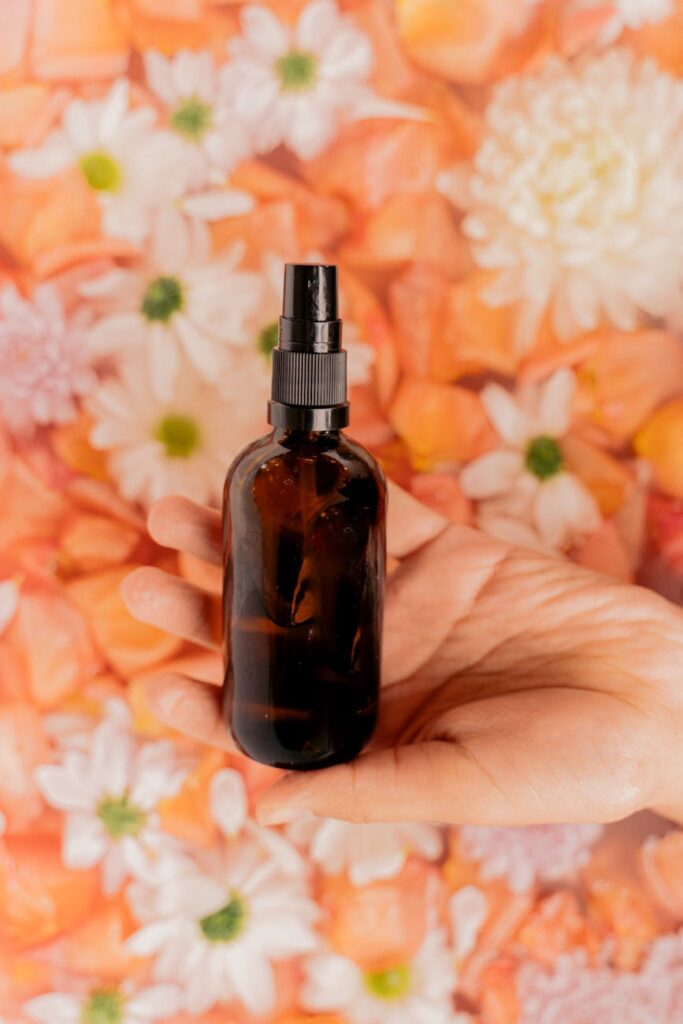
History and Origins of Floral Hydrosols for Skin Hydration
Introduction
Floral hydrosols, often referred to as floral waters, have a rich history that dates back to ancient civilizations. These aromatic byproducts of essential oil distillation have been utilized for their soothing properties and aromatic qualities for centuries. In recent times, they have gained popularity in skincare due to their hydrating and therapeutic benefits. Understanding the origins and historical uses of floral hydrosols can provide deeper insight into their significance in modern aromatherapy and skincare practices.
What Is Floral Hydrosols for Skin Hydration?
Floral hydrosols are the water-soluble byproducts of the steam distillation of plant materials, particularly flowers. During the distillation process, steam passes through the plant, extracting essential oils and volatile compounds. As the steam cools, it condenses back into liquid, resulting in two distinct products: essential oils (which float on top) and hydrosols (which remain in the water phase).
Unlike essential oils, floral hydrosols are much milder, carrying the essence of the plant but in a diluted form. This makes them suitable for direct application on the skin, making them an excellent choice for hydration and soothing irritated skin.
Key Benefits and Properties
Floral hydrosols possess a variety of benefits that make them valuable for skincare:
1. Hydration
Hydrosols are primarily composed of water and essential plant compounds, which makes them effective for providing moisture to the skin. They can help to balance the skin’s natural moisture levels, making them suitable for all skin types.
2. Soothing Properties
Many floral hydrosols have anti-inflammatory properties that can soothe irritated or sensitive skin. For example, chamomile and lavender hydrosols are known for their calming effects.
3. Antioxidant Rich
Floral hydrosols contain antioxidants that help combat free radicals, potentially contributing to healthier, more resilient skin.
4. pH Balancing
Many hydrosols can help maintain the skin’s natural pH balance, which is essential for overall skin health.
5. Aromatherapy Benefits
The gentle aroma of hydrosols can positively affect mood and mental well-being, enhancing the overall skincare experience.
Common Uses
Floral hydrosols can be used in various ways, making them versatile additions to skincare routines:
1. Facial Toner
Hydrosols can be used as natural facial toners, helping to cleanse the skin and prepare it for subsequent skincare products.
2. Setting Spray
They can serve as a makeup setting spray, providing hydration while helping to keep makeup in place throughout the day.
3. Soothing Spritz
Floral waters can be used throughout the day as a refreshing spritz, especially in hot weather or after physical activity.
4. Bath Additive
Adding hydrosols to bath water can enhance relaxation and hydration, creating a soothing aromatic experience.
5. Ingredient in DIY Beauty Products
Floral hydrosols can be incorporated into homemade lotions, creams, and face masks, providing both benefits and fragrance.
Aromatherapy Applications
In the field of aromatherapy, floral hydrosols hold significant importance. Their gentle nature makes them suitable for all ages, including children and those with sensitive skin. Here are some common applications:
1. Relaxation
Hydrosols like lavender and rose can be used in diffusers or as room sprays to create a calming atmosphere.
2. Meditation and Mindfulness
Incorporating floral hydrosols into meditation practices can enhance the sensory experience and promote mental clarity.
3. Massage Therapy
Hydrosols can be used as a base for massage oils, adding both aroma and hydration to the skin during the massage.
Safety Considerations
While floral hydrosols are generally safe for use, there are a few considerations to keep in mind:
1. Allergic Reactions
Individuals with allergies to specific plants should perform a patch test before full application.
2. Quality Matters
The purity and quality of hydrosols can vary widely. It is essential to choose products from reputable sources to ensure they are free from additives and contaminants.
3. Storage
Improper storage can lead to microbial growth. Hydrosols should be kept in cool, dark places and used within their recommended shelf life.
Storage and Shelf Life
Floral hydrosols typically have a shelf life of 1 to 3 years, but this can vary depending on the type of hydrosol and storage conditions. To maximize their longevity, consider the following tips:
1. Cool Temperature
Store hydrosols in a cool environment, away from direct sunlight and heat sources.
2. Dark Glass Bottles
Using dark glass bottles can help protect the hydrosol from light exposure, which can degrade its quality.
3. Refrigeration
For extended freshness, some users opt to store hydrosols in the refrigerator, especially in warmer climates.
Frequently Asked Questions
1. Are floral hydrosols safe for all skin types?
Yes, floral hydrosols are generally safe for all skin types, including sensitive skin. However, it is always advisable to conduct a patch test before widespread use.
2. Can I use hydrosols as a substitute for water in my skincare recipes?
Yes, you can use floral hydrosols as a water substitute in DIY skincare formulations. They can enhance the overall benefits of your products.
3. How do I choose the right hydrosol for my skin?
Selecting a hydrosol depends on your skin type and desired effects. For example, rose hydrosol is excellent for dry skin, while witch hazel hydrosol may be beneficial for oily skin.
4. Do floral hydrosols expire?
Yes, floral hydrosols do have a shelf life, typically ranging from 1 to 3 years, depending on storage conditions. Always check for signs of spoilage before use.
5. Can I use hydrosols in cooking or beverages?
While some floral hydrosols may be safe for culinary use, it is crucial to ensure they are food-grade and free from additives. Always check product labels and consult appropriate sources before use.
Conclusion
Floral hydrosols have a long and storied history, evolving from ancient practices to modern skincare essentials. Their versatility, gentle nature, and array of benefits make them invaluable in both aromatherapy and skincare routines. As knowledge and appreciation for these botanical wonders continue to grow, so too does their place in holistic wellness practices. Whether as a refreshing facial mist or a calming addition to a bath, floral hydrosols offer a fragrant and effective way to hydrate and nurture the skin.