
History and Origins of Floral Hydrosols for Skin Rejuvenation
Introduction
Floral hydrosols, also known as floral waters or hydrolats, have been valued for centuries for their therapeutic properties and aromatic qualities. Derived from the steam distillation of flowers, these gentle, water-based byproducts encapsulate the essence of their plant sources. As the pursuit of natural beauty and holistic wellness continues to grow, the use of floral hydrosols for skin rejuvenation has gained significant attention. This article delves into the history and origins of floral hydrosols, exploring their benefits, uses, and applications in the realm of skincare and aromatherapy.
What Are Floral Hydrosols for Skin Rejuvenation?
Floral hydrosols are the aromatic waters produced during the steam distillation process of essential oils. When plant material, such as flowers, leaves, or stems, is subjected to steam, essential oils are released, and the steam condenses back into water. This water contains a small amount of essential oil along with the water-soluble components of the plant, including nutrients, vitamins, and minerals.
In the context of skin rejuvenation, floral hydrosols are often used for their soothing, hydrating, and toning properties. Unlike essential oils, which are highly concentrated and can be potent, hydrosols are gentle and can be directly applied to the skin, making them suitable for a wide range of skin types.
Key Benefits and Properties
Floral hydrosols are celebrated for their diverse benefits in skin care, including:
1. Hydration
Floral hydrosols provide a refreshing burst of moisture, helping to hydrate the skin without the heaviness of creams or oils. This hydration can be particularly beneficial in dry or humid climates.
2. Soothing Properties
Many floral hydrosols possess calming qualities. For example, chamomile and lavender hydrosols are known for their ability to soothe irritated or sensitive skin, reducing redness and inflammation.
3. Antimicrobial Effects
Some hydrosols, such as rose and tea tree, exhibit antimicrobial properties, helping to cleanse the skin and prevent breakouts. This makes them valuable for those with acne-prone skin.
4. Toning and Tightening
Floral hydrosols can act as natural toners, helping to balance the skin’s pH and tighten pores. This can lead to a more refined and youthful appearance over time.
5. Antioxidant Richness
Many floral hydrosols contain antioxidants that can help protect the skin from environmental stressors, contributing to a more radiant complexion.
Common Uses
Floral hydrosols can be incorporated into skincare routines in various ways:
1. Facial Sprays
A simple and effective way to use floral hydrosols is as a facial mist. This can be done throughout the day to refresh and hydrate the skin.
2. Cleansers
Hydrosols can be used as gentle cleansers, especially for sensitive skin. They can remove impurities while providing soothing benefits.
3. Toners
After cleansing, floral hydrosols can be applied to balance the skin and prepare it for moisturizing products.
4. Bath Additives
Adding a few drops of floral hydrosols to bathwater can create a calming, aromatic experience, benefiting both the skin and the senses.
5. Compresses
Soaked cotton pads in floral hydrosols can be applied to the skin as compresses to reduce puffiness and irritation.
Aromatherapy Applications
In addition to their skincare benefits, floral hydrosols are also used in aromatherapy. The gentle aromas of floral hydrosols can have a calming effect on the mind and body, promoting relaxation and emotional well-being. For instance:
- Lavender Hydrosol: Known for its relaxing scent, it can help reduce stress and promote better sleep.
- Rose Hydrosol: Often associated with love and emotional healing, rose hydrosol is used to uplift the spirit and create a sense of calm.
- Refrigeration: Store hydrosols in the refrigerator to extend their shelf life.
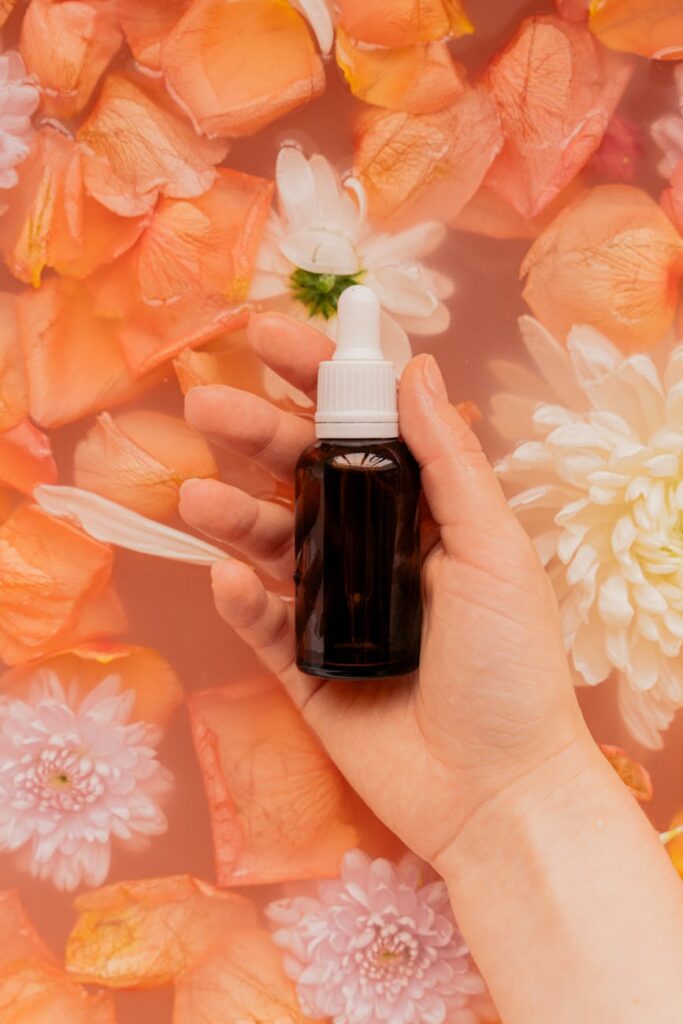
- Dark Glass Bottles: Use dark glass containers to protect the hydrosols from light.
- Check for Changes: Regularly check for any changes in color, aroma, or texture, which may indicate spoilage.
Floral hydrosols can be used in diffusers, added to bathwater, or simply spritzed in the air for an aromatic experience.
Safety Considerations
While floral hydrosols are generally safe for topical use, some precautions should be taken:
1. Patch Testing
Individuals with sensitive skin or allergies should perform a patch test before using a new hydrosol. Apply a small amount to a discreet area and observe for any adverse reactions.
2. Storage Conditions
Hydrosols should be stored in a cool, dark place to preserve their integrity. Exposure to light and heat can diminish their effectiveness.
3. Quality and Purity
Selecting high-quality, organic hydrosols is essential. Look for products that are free from additives, preservatives, and synthetic fragrances.
4. Avoiding Sensitive Areas
Avoid applying hydrosols to broken skin or near the eyes, as some hydrosols may cause irritation in these areas.
Storage and Shelf Life
The shelf life of floral hydrosols can vary depending on the type and how they are stored. Generally, hydrosols have a shelf life of 6 months to 2 years. To ensure longevity:
Frequently Asked Questions
1. What is the difference between floral hydrosols and essential oils?
Floral hydrosols are the water-based byproducts of essential oil distillation, containing a small amount of essential oil and water-soluble components. Essential oils are concentrated and should be diluted before use on the skin.
2. Can I use floral hydrosols daily?
Yes, floral hydrosols can be used daily as part of a skincare routine. They are gentle enough for regular use.
3. Are floral hydrosols safe for all skin types?
Most floral hydrosols are suitable for various skin types, but individuals with sensitive skin should perform a patch test before full application.
4. How should I apply floral hydrosols to my skin?
Floral hydrosols can be spritzed directly onto the skin, applied with a cotton pad, or included in a moisturizing routine.
5. Can I make my own floral hydrosols at home?
While it is possible to distill floral hydrosols at home using steam distillation equipment, it requires knowledge and practice. It is often more practical to purchase high-quality hydrosols from reputable suppliers.
Conclusion
Floral hydrosols have a rich history and offer a myriad of benefits for skin rejuvenation. Their gentle nature, combined with aromatic properties, makes them a cherished addition to both skincare routines and aromatherapy practices. As awareness of natural and holistic approaches to beauty continues to rise, floral hydrosols stand out as a time-honored resource for those seeking to enhance their skin’s health and overall well-being. With proper use and understanding, these botanical waters can contribute significantly to maintaining a radiant complexion and promoting emotional balance.