
History and Origins of Floral Hydrosols for Skin Repair
Introduction
Floral hydrosols, often referred to as flower waters, have been celebrated for centuries for their unique properties and applications in skincare and aromatherapy. Derived from the steam distillation process of essential oils, hydrosols contain the water-soluble components of plants, offering a gentler alternative to concentrated essential oils. This article delves into the historical roots of floral hydrosols, their benefits, uses, and safety considerations, providing a comprehensive overview for those interested in the healing potential of these aromatic waters.
What Are Floral Hydrosols for Skin Repair?
Floral hydrosols are aromatic waters produced as a byproduct of the steam distillation of plant materials, primarily flowers. Unlike essential oils, which are potent extracts, hydrosols are diluted forms that retain many of the beneficial properties of the plant while being gentler on the skin. Common hydrosols include rose, lavender, chamomile, and witch hazel, each bringing unique characteristics suitable for various skin types and conditions.
The process of creating hydrosols involves steam distilling the plant material, where the steam captures the volatile compounds. As the steam cools and condenses, it separates into essential oil and hydrosol, with the latter containing water-soluble phytochemicals, antioxidants, and trace amounts of essential oil. This makes hydrosols particularly beneficial for skin repair, providing a soothing and hydrating effect.
Key Benefits and Properties
Floral hydrosols are rich in various properties that can contribute to skin repair:
1. Anti-inflammatory Properties
Many floral hydrosols possess anti-inflammatory effects, helping to calm irritated skin. For instance, chamomile hydrosol is renowned for its ability to reduce redness and soothe sensitive skin.
2. Antioxidant Effects
Hydrosols often contain antioxidants that combat free radicals, which can cause premature aging. Rose hydrosol, for example, is celebrated for its high levels of vitamin C, contributing to skin vitality.
3. Hydration
Floral hydrosols serve as excellent natural moisturizers. When sprayed onto the skin, they can help maintain hydration, making them ideal for dry or dehydrated skin types.
4. Astringent Qualities
Certain hydrosols, like witch hazel, have astringent properties that can tighten pores and reduce excess oil, making them useful for acne-prone skin.
5. Healing and Regenerative Properties
Many hydrosols promote skin healing. Lavender hydrosol, for example, is often used for its ability to support skin regeneration and alleviate minor skin irritations.
Common Uses
Floral hydrosols have a diverse range of applications in skincare:
1. Facial Toner
Hydrosols can be used as natural facial toners, balancing skin pH and preparing the skin for further products. They can be applied directly to the skin or used on cotton pads.
2. Facial Mist
As a refreshing facial mist, hydrosols can hydrate and cool the skin, making them ideal for hot climates or after sun exposure.
3. Post-Shave Care
Hydrosols like lavender and rose can be soothing post-shave, helping to calm irritation and provide moisture.
4. Cleansing
Some hydrosols can serve as gentle cleansers, removing makeup and impurities without stripping the skin of its natural oils.
5. Bath Additive
Adding hydrosols to bath water can enhance relaxation and provide skin benefits, as the aromatic qualities permeate the water.
Aromatherapy Applications
In addition to their skincare uses, floral hydrosols play a significant role in aromatherapy. Their milder scent profiles make them suitable for individuals sensitive to essential oils. Here are some applications:
1. Mood Enhancement
Hydrosols can be used in diffusers or sprays to promote emotional well-being. For instance, rose hydrosol is often associated with feelings of love and calm.
2. Relaxation
Lavender hydrosol can be used as a pillow spray to induce relaxation and improve sleep quality.
3. Meditation Aids
Incorporating floral hydrosols into meditation practices can enhance the experience, providing a calming and grounding atmosphere.
4. Room Fresheners
Hydrosols can serve as natural room sprays, infusing spaces with pleasant aromas while eliminating unwanted odors.
Safety Considerations
While floral hydrosols are generally safe for topical use and aromatherapy, certain precautions should be observed:
1. Patch Testing
It is advisable to conduct a patch test before applying a new hydrosol to larger skin areas. This helps identify any allergic reactions or sensitivities.
2. Storage
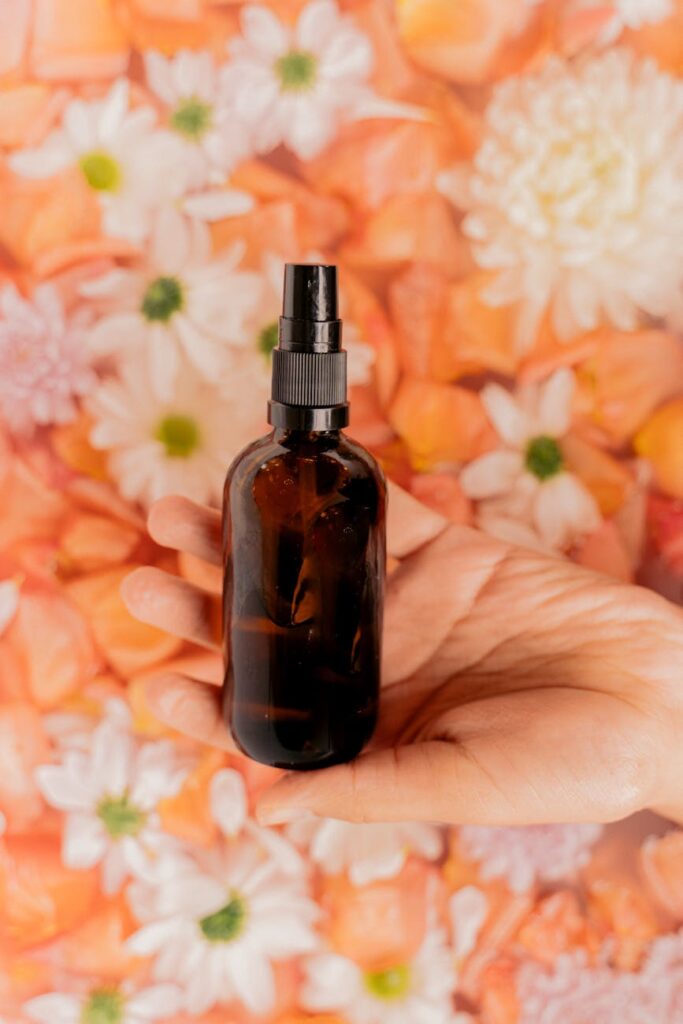
Hydrosols should be stored in dark glass bottles and kept in a cool, dry place to prevent degradation. Exposure to light and heat can affect their quality and effectiveness.
3. Dilution
Even though hydrosols are milder than essential oils, they should still be used with caution, particularly on sensitive skin. Dilution may be necessary for specific applications.
4. Pregnancy and Health Conditions
Individuals who are pregnant or have specific health conditions should consult healthcare professionals before using hydrosols, especially those that may have contraindications.
Storage and Shelf Life
Proper storage is essential for maintaining the quality of floral hydrosols. Here are some key points:
1. Container
Store hydrosols in dark glass bottles to protect them from light exposure, which can degrade their properties.
2. Temperature
Keep hydrosols in a cool environment, away from direct sunlight and heat sources. Refrigeration may extend their shelf life.
3. Shelf Life
Typically, floral hydrosols have a shelf life of 6 months to 2 years, depending on the type and storage conditions. It is advisable to check for any changes in scent, color, or clarity before use.
Frequently Asked Questions
1. Can I use hydrosols on all skin types?
Most floral hydrosols are safe for various skin types; however, individuals with sensitive skin should perform a patch test before widespread use.
2. How do I incorporate hydrosols into my skincare routine?
Hydrosols can be used as toners, facial mists, or added to creams and lotions. They can also be used in DIY skincare formulations.
3. Can I ingest floral hydrosols?
While some hydrosols are safe for ingestion (in small amounts), it is crucial to consult a qualified professional before consuming any hydrosols.
4. Are floral hydrosols the same as essential oils?
No, floral hydrosols are byproducts of essential oil distillation and contain water-soluble components, while essential oils are concentrated extracts of volatile compounds.
5. How can I tell if a hydrosol is pure?
Look for hydrosols that are bottled in dark glass containers, have a clear transparency, and are sourced from reputable producers. Avoid products with added synthetic fragrances or preservatives.
Conclusion
Floral hydrosols have a rich history rooted in traditional herbal practices and continue to be a valuable asset in modern skincare and aromatherapy. Their gentle nature, coupled with a plethora of benefits for skin repair, makes them a versatile addition to any skincare regimen. By understanding their origins, applications, and proper usage, individuals can harness the power of these botanical waters to enhance their beauty routines and promote overall well-being.