
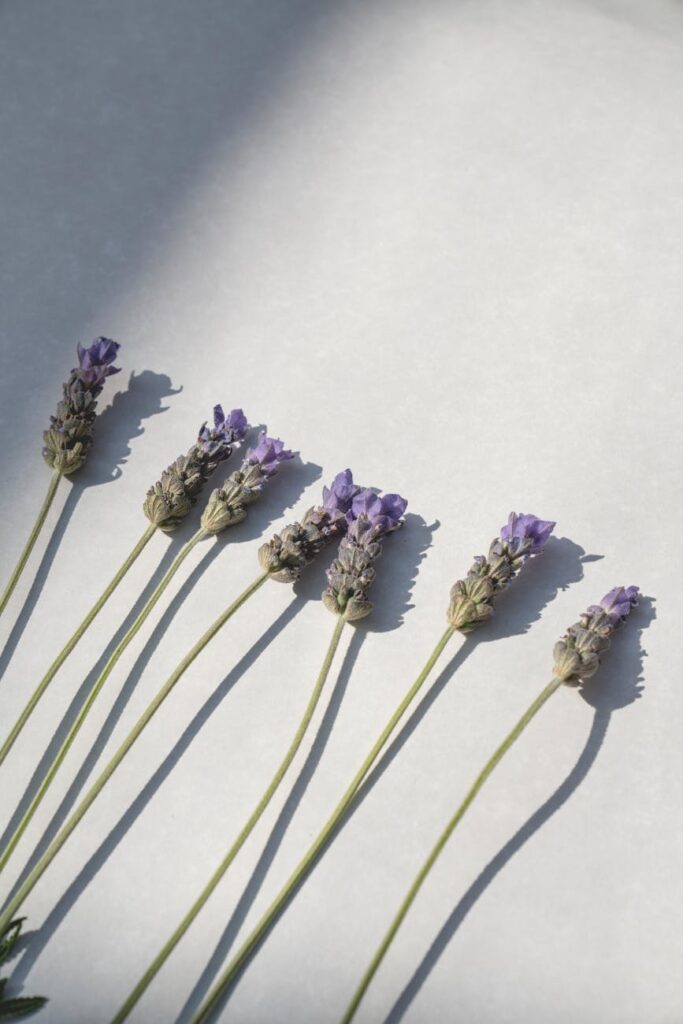
History and Origins of Floral Hydrosols for Sleep Support
Introduction
Floral hydrosols, often referred to as flower waters, have been utilized for centuries, stemming from ancient practices of distillation. These aromatic waters are a byproduct of the steam distillation process used to extract essential oils from plant materials. While they share some characteristics with essential oils, hydrosols are milder and more suited for various applications, particularly in aromatherapy. This article delves into the history and origins of floral hydrosols, emphasizing their role in supporting sleep.
What Is Floral Hydrosols for Sleep Support?
Floral hydrosols are aqueous solutions that contain the water-soluble components of plants, alongside trace amounts of essential oils. They are characterized by their fragrant, delicate aromas and are often used in skincare, culinary applications, and holistic practices. When it comes to sleep support, certain floral hydrosols, such as lavender, chamomile, and rose, are believed to promote relaxation and tranquility, making them ideal for enhancing sleep quality.
Key Benefits and Properties
Relaxation and Calming Effects
Floral hydrosols are known for their soothing properties. For instance, lavender hydrosol is widely recognized for its ability to calm the mind and reduce anxiety. Chamomile hydrosol also possesses gentle sedative effects, making it particularly beneficial for those struggling with insomnia or restless nights.
Mood Enhancement
The gentle aromas of floral hydrosols can positively influence mood. Inhaling the scent of rose hydrosol, for example, has been associated with feelings of happiness and serenity, which can contribute to an improved sleep environment.
Skin Hydration
Many floral hydrosols possess hydrating properties that can benefit the skin. Applying hydrosols, such as rose or chamomile, before bedtime can help soothe the skin and prepare the body for rest, indirectly promoting better sleep.
Antioxidant Properties
Some floral hydrosols are rich in antioxidants, which can help combat oxidative stress. This property can contribute to overall wellness, potentially leading to improved sleep quality as the body is better equipped to handle daily stressors.
Common Uses
Floral hydrosols are versatile and can be used in various ways to support sleep:
Pillow Sprays
A popular method for incorporating floral hydrosols into bedtime routines is through pillow sprays. A few spritzes of lavender or chamomile hydrosol on a pillow can create a calming atmosphere conducive to sleep.
Bath Additives
Adding floral hydrosols to a warm bath can enhance relaxation. For instance, pouring rose hydrosol into bathwater can create a soothing environment, promoting tranquility before sleep.
Room Diffusion
Hydrosols can be used in diffusers to disperse their calming scents throughout a room. This method allows for a more extensive aroma experience, enveloping the space in soothing fragrances that encourage restful sleep.
Facial Mists
Using floral hydrosols as facial mists can provide hydration while simultaneously calming the mind. Spraying chamomile or lavender hydrosol on the face before bed can enhance the overall relaxation experience.
Aromatherapy Applications
Aromatherapy is the practice of using aromatic plant extracts to promote physical and emotional well-being. Floral hydrosols serve as an inhalation medium that can enhance aromatherapy sessions aimed at improving sleep quality.
Blending with Essential Oils
While floral hydrosols can be used alone, they can also be blended with essential oils for a more potent effect. For instance, combining lavender essential oil with lavender hydrosol can create a multi-layered aromatic experience that maximizes the calming properties of both substances.
Inhalation Techniques
Hydrosols can be inhaled directly from the bottle or diluted in water for steam inhalation. The gentle aroma can help clear the mind and promote relaxation, making it an effective tool for those seeking to ease into sleep.
Meditation and Mindfulness Practices
Integrating floral hydrosols into meditation practices can enhance the overall experience. Spraying a calming hydrosol in the surrounding area can create a serene environment that fosters mindfulness and relaxation.
Safety Considerations
While floral hydrosols are generally considered safe for most individuals, there are some essential safety considerations to keep in mind:
Skin Sensitivity
Although floral hydrosols are milder than essential oils, they can still cause skin irritation in some individuals. It is advisable to conduct a patch test before applying a new hydrosol directly to the skin, especially for those with sensitive skin.
Allergies and Reactions
Individuals with allergies to specific plants should exercise caution when using floral hydrosols. It is essential to identify any potential allergens and consult with a knowledgeable practitioner if unsure.
Storage and Quality
To maintain the quality and effectiveness of floral hydrosols, it is crucial to store them properly. They should be kept in dark glass containers, away from direct sunlight, and at a stable temperature. Hydrosols can be prone to microbial growth, so it is essential to use clean utensils when dispensing and to check for any changes in odor or appearance.
Storage and Shelf Life
Floral hydrosols have a relatively short shelf life compared to essential oils, typically ranging from six months to two years, depending on the type and storage conditions. To extend their shelf life:
- Store in a Cool, Dark Place: Keeping hydrosols away from light and heat helps preserve their aromatic properties.
- Use Dark Glass Containers: Amber or cobalt blue glass containers can protect the hydrosols from light exposure.
- Refrigeration: For some hydrosols, refrigeration can help prolong their freshness.
It is advisable to check for any off-odors or changes in consistency before use, as these may signal spoilage.
Frequently Asked Questions
1. What is the difference between floral hydrosols and essential oils?
Floral hydrosols are the water byproducts of the steam distillation process used to extract essential oils. They are milder, contain water-soluble compounds, and have a lower concentration of aromatic constituents compared to essential oils.
2. Can I use floral hydrosols directly on my skin?
Many floral hydrosols can be applied directly to the skin, but it is recommended to conduct a patch test first, especially if you have sensitive skin or allergies.
3. How should I use floral hydrosols for sleep support?
Common methods include creating pillow sprays, adding them to baths, diffusing them in the air, or using them as facial mists before bedtime.
4. Are there any side effects associated with floral hydrosols?
While generally safe, some individuals may experience allergic reactions or skin irritation. It is essential to be aware of personal sensitivities and allergies.
5. How long do floral hydrosols last?
The shelf life of floral hydrosols typically ranges from six months to two years. Proper storage in dark glass containers and away from light can help extend their usability.
Conclusion
The history and origins of floral hydrosols are deeply intertwined with the practices of distillation and herbal medicine across cultures. These gentle yet effective plant extracts have found their way into modern wellness practices, particularly in supporting sleep. By understanding their benefits, uses, and safety considerations, individuals can harness the potential of floral hydrosols to enhance their sleep environment and overall well-being.