
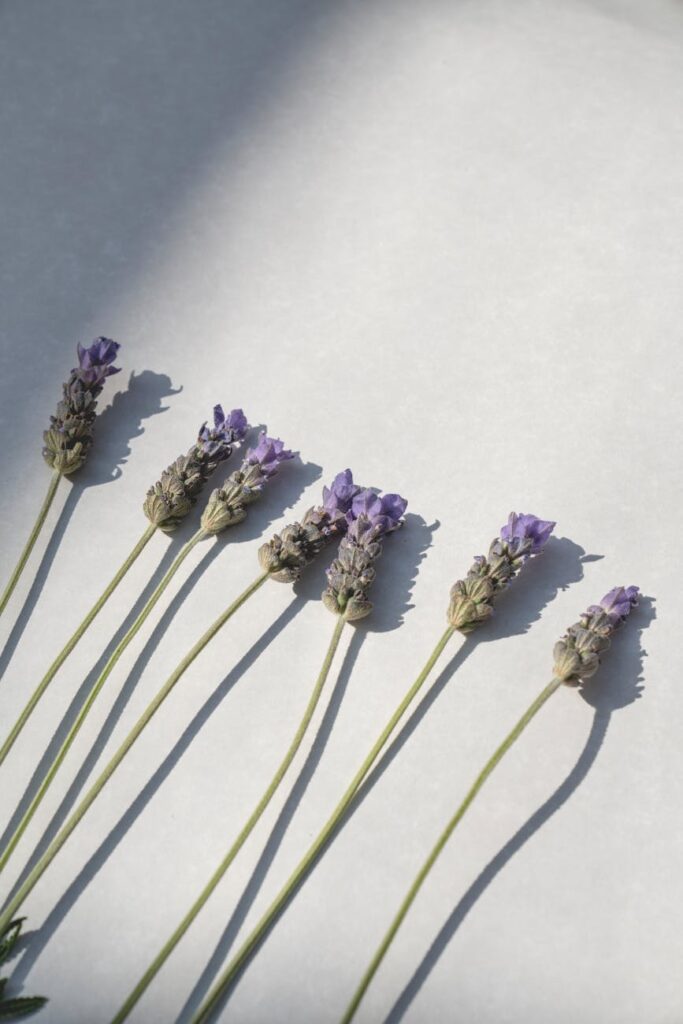
History and Origins of Floral Hydrosols for Sun Protection
Introduction
Floral hydrosols, also known as floral waters or hydrolats, have been cherished for centuries for their aromatic and therapeutic properties. Derived from the steam distillation of plant materials, these aqueous solutions capture the essence and subtle qualities of the botanicals from which they are created. As the interest in natural skincare and holistic wellness continues to rise, floral hydrosols are increasingly recognized for their potential role in sun protection. This article delves into the history and origins of floral hydrosols, specifically focusing on their use for sun protection, while exploring their benefits, applications, and safety considerations.
What Is Floral Hydrosols for Sun Protection?
Floral hydrosols are the byproducts of essential oil production, containing the water-soluble components of the plant. They are typically less concentrated than essential oils, making them gentle and suitable for a variety of applications, including skincare. When it comes to sun protection, floral hydrosols can serve as a soothing and hydrating agent for the skin, providing an additional layer of defense against UV radiation, inflammation, and environmental stressors.
Historically, various cultures have utilized plant extracts for skin protection and healing. The use of floral hydrosols specifically for sun protection is a more recent development, aligning with the rising trend toward natural skincare solutions.
Key Benefits and Properties
Floral hydrosols are celebrated for their diverse therapeutic properties. Here are some key benefits that make them particularly valuable for sun protection:
1. Anti-inflammatory Properties: Many floral hydrosols, such as chamomile and lavender, possess anti-inflammatory properties. These can help soothe sunburned skin and reduce redness and irritation.
2. Hydration: Floral hydrosols are excellent for hydration. They can replenish moisture in the skin, which is crucial after sun exposure when skin can become dehydrated.
3. Antioxidant Effects: Certain hydrosols, like rose and geranium, are rich in antioxidants that help neutralize free radicals, which can be generated by UV exposure.
4. Cooling Sensation: The refreshing nature of floral hydrosols provides a cooling effect, making them ideal for alleviating the discomfort associated with sunburn.
5. pH Balancing: Floral hydrosols can help balance the skin’s pH, contributing to overall skin health and resilience against environmental aggressors.
Common Uses
Floral hydrosols can be incorporated into skincare routines in various ways, particularly for sun protection:
- Facial Mists: Hydrosols can be used as facial mists, providing instant hydration and soothing properties throughout the day, especially after sun exposure.
- After-Sun Care: They can be blended with other natural ingredients to create after-sun lotions or gels that help calm and nourish the skin.
- Bath Additive: Adding floral hydrosols to a bath can enhance the bathing experience, providing both hydration and a soothing aroma.
- Compresses: Soaked cloths in floral hydrosols can be applied to sunburned areas for immediate relief and cooling.
- Relaxation: Using hydrosols like lavender or chamomile in a diffuser can create a calming environment, promoting relaxation after a long day in the sun.
- Meditation: Spraying floral hydrosols in a meditation space can enhance the experience, providing a soothing atmosphere that encourages mindfulness.
- Stress Relief: Inhaling the scents of floral hydrosols can help alleviate stress and anxiety, contributing to overall emotional well-being.
- Cool and Dark: Store hydrosols in dark glass bottles to protect them from light. A cool, dark cupboard is ideal for maintaining their freshness.
- Refrigeration: Some hydrosols benefit from refrigeration, especially those with a high water content. This can extend their shelf life and enhance their refreshing properties.
- Shelf Life: Generally, floral hydrosols have a shelf life of 6 months to 2 years, depending on the specific type and storage conditions. Always check for changes in smell, color, or consistency before use.
Aromatherapy Applications
In the realm of aromatherapy, floral hydrosols serve not only as skin-enhancing agents but also as tools for emotional balance and well-being. The gentle aromas of these hydrosols can have a calming effect, which is beneficial for those experiencing the stress of sunburn or skin irritation. Here are several aromatherapy applications of floral hydrosols:
Safety Considerations
While floral hydrosols are generally considered safe for topical application, it is essential to be mindful of a few safety considerations:
1. Patch Test: Always perform a patch test on a small area of skin before widespread use, especially for individuals with sensitive skin or known allergies.
2. Storage: Store hydrosols in a cool, dark place to maintain their efficacy. Exposure to light and heat can diminish their quality and shelf life.
3. Dilution: Although floral hydrosols are milder than essential oils, it is advisable to dilute them if using in combination with other potent ingredients.
4. Consultation: For individuals with specific skin conditions or sensitivities, consultation with a skincare professional is recommended prior to use.
Storage and Shelf Life
Proper storage of floral hydrosols is crucial for preserving their quality. Here are some guidelines to ensure longevity:
Frequently Asked Questions
What are the most popular floral hydrosols for sun protection?
Common floral hydrosols used for sun protection include rose, lavender, chamomile, and geranium. Each offers unique benefits for soothing and hydrating the skin.
Can I use floral hydrosols on sensitive skin?
Yes, floral hydrosols are generally safe for sensitive skin, but it is advisable to perform a patch test first to rule out any adverse reactions.
Are floral hydrosols the same as essential oils?
No, floral hydrosols are the byproducts of essential oil distillation and contain water-soluble compounds. They are milder and typically safer for direct application on the skin compared to essential oils.
How can I incorporate floral hydrosols into my skincare routine?
Floral hydrosols can be used as a facial mist, added to bathwater, blended into after-sun care products, or applied using compresses for sunburn relief.
How do I know if my floral hydrosol has gone bad?
Signs of degradation include changes in smell, color, or consistency. If a hydrosol smells off or has sediment at the bottom of the bottle, it is likely no longer safe to use.
Conclusion
The historical roots of floral hydrosols reveal a rich tapestry of cultural practices centered around the use of plants for wellness and beauty. As modern consumers increasingly seek natural alternatives to synthetic products, floral hydrosols have found their place in skincare, particularly for sun protection. With their myriad benefits, gentle nature, and aromatic qualities, floral hydrosols represent a timeless solution for those looking to safeguard their skin against the sun’s harsh effects while embracing the wisdom of nature.