
History and Origins of Floral Hydrosols for Sunburn Relief
Introduction
The pursuit of natural remedies for skin ailments has been part of human history for centuries, with various cultures relying on plant-based solutions for their therapeutic properties. Among these remedies, floral hydrosols have gained traction, particularly for their soothing effects on sunburned skin. This article delves into the history and origins of floral hydrosols, specifically focusing on their use for sunburn relief.
What Is Floral Hydrosols for Sunburn Relief?
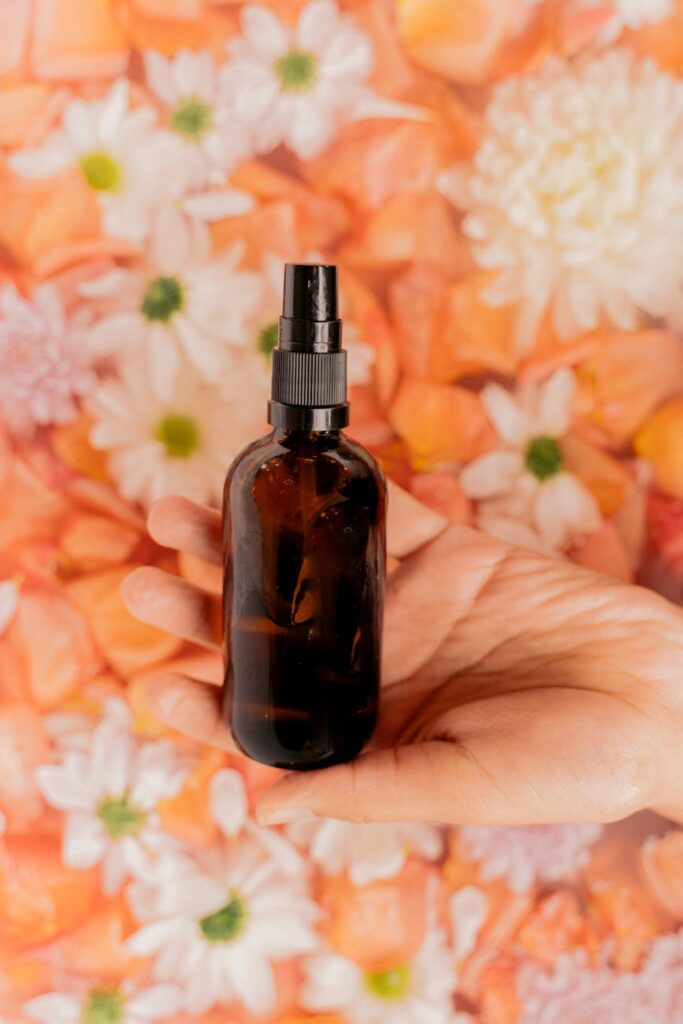
Floral hydrosols, also known as floral waters or hydrolats, are the aromatic waters produced during the steam distillation of essential oils from plants. Unlike essential oils, hydrosols contain lower concentrations of aromatic compounds and are often gentler on the skin. They retain the water-soluble components of the plant, which can include vitamins, minerals, and antioxidants.
When it comes to sunburn relief, popular hydrosols include rose, chamomile, lavender, and calendula. Each of these hydrosols boasts unique properties that can help alleviate discomfort and promote skin healing.
Key Benefits and Properties
The benefits of floral hydrosols for sunburn relief can be attributed to their unique chemical composition. Here are some key properties:
1. Anti-inflammatory Properties
Many floral hydrosols possess anti-inflammatory properties that can help soothe inflamed skin. For example, chamomile hydrosol is known for its ability to reduce redness and swelling, providing a cooling effect on sunburned skin.
2. Hydration
Hydrosols are primarily composed of water, making them excellent hydrators. They can help replenish moisture lost due to sun exposure, which is crucial for the skin’s recovery process. Rose and lavender hydrosols are particularly known for their hydrating qualities.
3. Antioxidant Effects
Floral hydrosols contain various antioxidants that can help combat free radicals generated by UV exposure. These antioxidants support skin repair and regeneration, making them beneficial for sunburn treatment.
4. pH Balance
Many hydrosols have a pH level that is close to that of human skin, which helps maintain the skin’s natural balance. This property is particularly important for sunburned skin, which may be more sensitive and prone to irritation.
Common Uses
Floral hydrosols can be utilized in various ways for sunburn relief:
1. Direct Application
Applying floral hydrosols directly onto sunburned skin can provide immediate relief. They can be used as a spray or applied with a cotton pad for targeted treatment.
2. Cooling Compresses
Soaking a clean cloth in chilled floral hydrosol and placing it on sunburned areas can offer a cooling effect, helping to alleviate pain and discomfort.
3. Bath Additive
Adding floral hydrosols to a cool bath can enhance the soothing experience. A few ounces of chamomile or lavender hydrosol can create a calming atmosphere while providing skin benefits.
4. Aromatherapy Blends
Floral hydrosols can be incorporated into aromatherapy blends, complementing other essential oils aimed at promoting skin health and relaxation.
Aromatherapy Applications
In the realm of aromatherapy, floral hydrosols serve as versatile tools. Their gentle nature allows them to be used in various applications without the risk of irritation that can accompany undiluted essential oils.
1. Facial Mists
Floral hydrosols can be formulated into facial mists that provide hydration and calming effects. For sunburn relief, a blend of rose and lavender hydrosols can offer both soothing and uplifting aromas.
2. Massage Oils
While essential oils are often used in massage, floral hydrosols can serve as a base for diluted massage oils. Adding a few drops of essential oil to a hydrosol can create a fragrant blend that can be massaged into sunburned areas.
3. Room Sprays
Floral hydrosols can also be used as room sprays to create a pleasant atmosphere while benefiting the skin. For example, a lavender hydrosol spray can promote relaxation and aid in recovery.
Safety Considerations
While floral hydrosols are generally considered safe, certain precautions should be taken:
1. Patch Testing
Before applying any hydrosol to a larger area of skin, it is advisable to conduct a patch test. Apply a small amount to a discreet area and wait 24 hours to check for any adverse reactions.
2. Dilution
Although floral hydrosols are milder than essential oils, some individuals may still experience sensitivity. Diluting hydrosols with distilled water can further reduce the risk of irritation.
3. Storage
Proper storage of floral hydrosols is essential to prevent microbial growth. They should be kept in a cool, dark place and used within their shelf life, which varies by type.
Storage and Shelf Life
The shelf life of floral hydrosols varies based on their composition and storage conditions. Generally, hydrosols can last from six months to two years. To ensure their longevity:
1. Keep Refrigerated
Storing hydrosols in the refrigerator can prolong their shelf life and maintain their efficacy.
2. Use Dark Glass Bottles
Hydrosols should be stored in dark glass bottles to minimize light exposure, which can degrade their quality over time.
3. Check for Changes
Before use, always check for changes in color, scent, or consistency. If any changes are noted, it is best to discard the hydrosol.
Frequently Asked Questions
1. What is the difference between floral hydrosols and essential oils?
Floral hydrosols are the byproducts of essential oil distillation and contain water-soluble compounds. They are milder and can be used directly on the skin, whereas essential oils are highly concentrated and usually require dilution.
2. Can I use floral hydrosols on all skin types?
Most floral hydrosols are suitable for a variety of skin types, but individuals with sensitive skin should conduct a patch test first to ensure there is no adverse reaction.
3. How often can I apply floral hydrosols for sunburn relief?
Hydrosols can be applied as needed, especially after sun exposure. However, if irritation occurs, it is advisable to reduce frequency and consult a skincare professional.
4. Can I make my own floral hydrosols at home?
While it is possible to create floral hydrosols through steam distillation of fresh plant materials, it requires specific equipment and expertise. For most individuals, purchasing commercially prepared hydrosols is the easiest and safest option.
5. Are there any contraindications for using floral hydrosols?
Generally, floral hydrosols are safe for most individuals. However, pregnant or nursing women should consult with a healthcare professional before use, especially if using hydrosols with specific therapeutic properties.
Conclusion
The history and origins of floral hydrosols reveal a rich tapestry of natural healing practices. As soothing agents for sunburn relief, these aromatic waters offer a gentle and effective way to care for sun-damaged skin. With their myriad benefits and applications, floral hydrosols stand as a testament to nature’s ability to nurture and heal, inviting us to explore their potential in our everyday lives.