
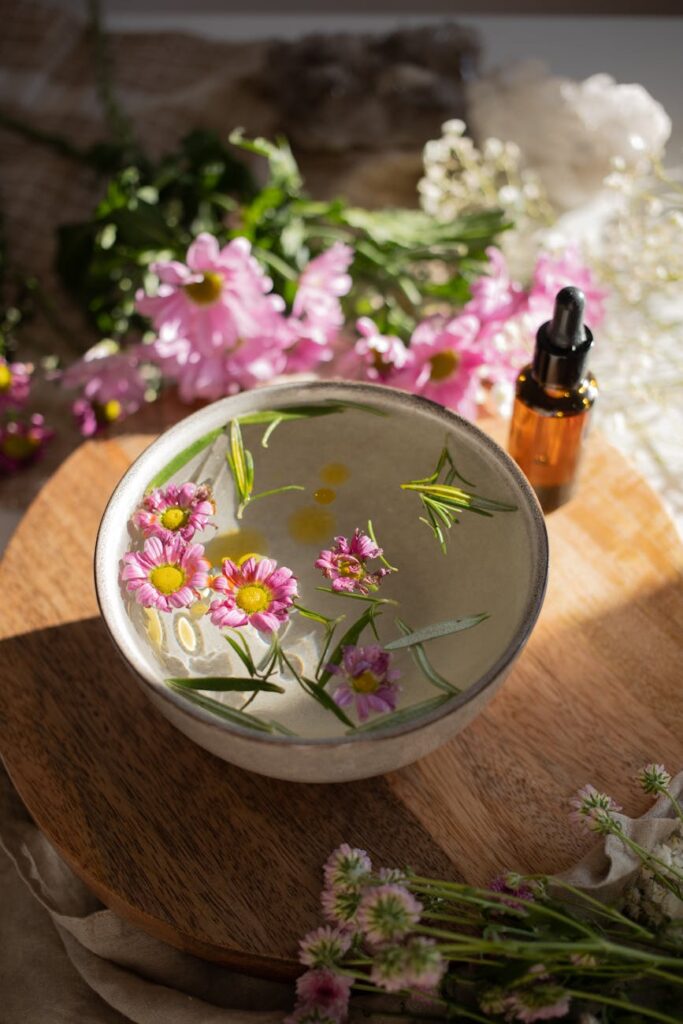
History and Origins of Floral Hydrosols for Wound Care
Introduction
Floral hydrosols, often referred to as flower waters, are aromatic byproducts of the steam distillation process used to extract essential oils from plant materials. While essential oils are celebrated for their concentrated therapeutic properties, hydrosols offer a gentler alternative with their milder aroma and beneficial characteristics. Historically, these floral waters have been utilized for various purposes, including skin care, culinary applications, and therapeutic practices. This article delves into the rich history and origins of floral hydrosols in the context of wound care, exploring their properties, benefits, and applications.
What Is Floral Hydrosols for Wound Care?
Floral hydrosols are aqueous solutions that contain the water-soluble components of plants, along with trace amounts of essential oils. They are produced during the steam distillation of flowers and herbs, where steam passes through the plant material, extracting volatile compounds. The steam is then condensed back into liquid form, separating the essential oil from the hydrosol.
For wound care, floral hydrosols are valued for their soothing and anti-inflammatory properties. Common examples include rose, lavender, and chamomile hydrosols. These floral waters can be applied directly to minor cuts, scrapes, and burns, offering a natural, gentle option for promoting healing.
Key Benefits and Properties
Floral hydrosols possess several properties that make them suitable for wound care:
1. Anti-inflammatory: Many floral hydrosols have anti-inflammatory properties that can help reduce redness and swelling in affected areas.
2. Antiseptic: Certain hydrosols exhibit mild antiseptic qualities, which can aid in preventing infections in open wounds.
3. Soothing: The gentle nature of hydrosols makes them effective for calming irritated skin and providing relief from discomfort.
4. Hydrating: Floral hydrosols can help hydrate the skin, promoting a conducive environment for healing.
5. Aromatic: The pleasant fragrances of floral hydrosols can enhance the overall experience of wound care, adding a sensory layer that can help alleviate stress during the healing process.
Common Uses
Floral hydrosols have a wide array of applications in wound care:
- Cleansing: Hydrosols can be used to cleanse minor wounds. Their gentle nature allows for cleaning without causing additional irritation.
- Compresses: Soaked cloths in hydrosols can be applied as compresses to soothe inflamed skin and promote healing.
- Facial Toners: While primarily for skin care, floral hydrosols can also be used on facial wounds or irritations, providing both antiseptic and hydrating benefits.
- Post-sun exposure: Hydrosols like lavender and chamomile can be applied to sunburned skin for relief and hydration.
- Scars and blemishes: Long-term use of certain hydrosols can help reduce the appearance of scars and blemishes, thanks to their skin-repairing properties.
- Lavender Hydrosol: Known for its relaxing properties, lavender hydrosol can be used in diffusers or as a mist to create a calming environment, especially beneficial for those recovering from injuries.
- Rose Hydrosol: Often associated with love and compassion, rose hydrosol can enhance emotional healing, which is an essential aspect of recovery from physical wounds.
- Chamomile Hydrosol: With its soothing properties, chamomile hydrosol is frequently used in situations involving emotional distress, helping to create a supportive atmosphere for healing.
- Patch Testing: It is advisable to conduct a patch test before applying any new hydrosol to a larger area of skin. This helps to identify any potential allergic reactions.
- Purity: Ensure that the hydrosols are of high quality and free from additives or synthetic fragrances, as these can irritate the skin.
- Consultation: For individuals with specific medical conditions or those who are pregnant, consulting a healthcare professional before using hydrosols is recommended.
- Storage: Proper storage is essential to maintain the integrity of the hydrosols. They should be kept in cool, dark places, away from direct sunlight.
- Cool and Dark Environment: Store hydrosols in a cool, dark place, preferably in a refrigerator, to extend their shelf life.
- Glass Containers: Use dark glass bottles to prevent light exposure, which can degrade the quality of the hydrosol.
- Check for Spoilage: Always check for any changes in smell, color, or clarity before use. If any spoilage is detected, it is advisable to discard the hydrosol.
- Typical Shelf Life: Most hydrosols have a shelf life of 6 months to 1 year if stored properly, but this can vary depending on the specific type and quality.
Aromatherapy Applications
In the realm of aromatherapy, floral hydrosols are often used for their calming and grounding effects. The aroma of these hydrosols can help to alleviate stress and anxiety, contributing to overall well-being.
Safety Considerations
While floral hydrosols are generally considered safe for topical use, certain precautions should be observed:
Storage and Shelf Life
Floral hydrosols have a relatively shorter shelf life compared to essential oils due to their water content, which makes them more susceptible to microbial growth. Here are some storage tips:
Frequently Asked Questions
1. Can I use floral hydrosols on sensitive skin?
Yes, floral hydrosols are generally safe for sensitive skin due to their gentle nature. However, it is always recommended to perform a patch test first.
2. Are floral hydrosols the same as essential oils?
No, floral hydrosols are byproducts of the distillation process used to create essential oils. They contain water-soluble components and trace amounts of essential oils, making them milder and less concentrated.
3. Can I use hydrosols for deep wounds?
Floral hydrosols are best suited for minor cuts and abrasions. For deep wounds, it is advisable to seek medical attention.
4. How should I apply floral hydrosols to a wound?
Hydrosols can be applied directly to a clean wound using a cotton pad or spray bottle. It is essential to ensure that the area is clean before application.
5. Is it safe to ingest floral hydrosols?
While some hydrosols are safe for culinary use, others are not. It is crucial to verify the quality and intended use of the hydrosol before ingestion.
Conclusion
Floral hydrosols have a storied history and a myriad of applications, particularly in wound care. Their unique properties make them a valuable addition to natural healing practices. As interest in holistic health continues to grow, understanding the origins, benefits, and proper uses of floral hydrosols can enhance our appreciation for these gentle yet effective plant-derived remedies. By integrating floral hydrosols into wound care routines, individuals can explore a more natural approach to healing that honors both tradition and the healing power of nature.