
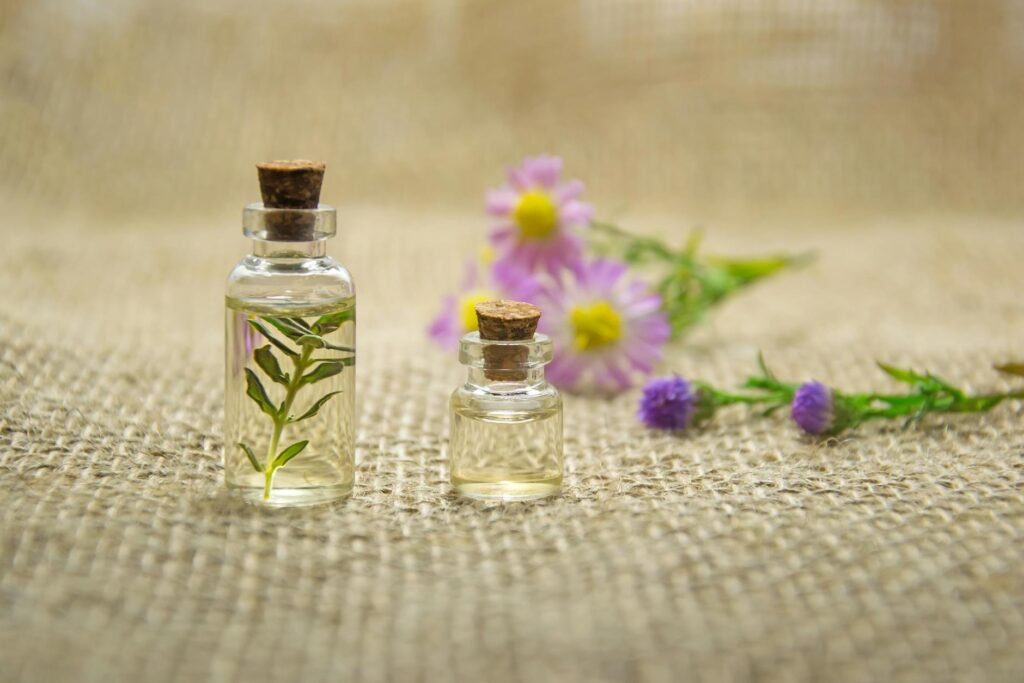
History and Origins of Floral Infusions
Introduction
Floral infusions have been cherished across cultures and centuries for their aromatic properties and potential benefits. These delightful concoctions are made by steeping floral materials in water or oil, allowing their aromatic compounds and beneficial properties to infuse into the medium. This article delves into the rich history and origins of floral infusions, exploring their uses, benefits, and applications in modern practices, particularly in aromatherapy.
What Is Floral Infusions?
Floral infusions are created by extracting the essence of flowers through steeping them in a solvent, typically water or oil. The process allows the volatile compounds responsible for the flower’s scent and potential therapeutic effects to dissolve into the liquid. The resulting infusion is often used in various applications, including cosmetics, cooking, and therapeutic practices.
The art of making floral infusions can be traced back to ancient cultures, where they were not only valued for their scents but also for their symbolic meanings and medicinal properties. The choice of flowers often reflected the cultural significance, availability, and climate of the region.
Key Benefits and Properties
Floral infusions are celebrated for their numerous benefits, which can vary depending on the type of flower used. Some of the key properties include:
- Aromatic Qualities: The primary draw of floral infusions is their enchanting fragrances. Different flowers impart unique scents that can evoke emotions and memories.
- Potential Therapeutic Effects: Certain floral infusions are believed to have calming, uplifting, or invigorating properties, often linked to the natural compounds within the flowers. For example, lavender is commonly associated with relaxation, while jasmine can be uplifting.
- Skin Benefits: Many floral infusions are rich in antioxidants and can be soothing to the skin. They may help in hydration, reducing inflammation, and promoting overall skin health.
- Culinary Uses: Some floral infusions can enhance culinary creations, adding unique flavors and visual appeal to dishes and beverages.
- Aromatherapy: Used in diffusers, candles, or direct inhalation to create a calming or invigorating environment.
- Cosmetics: Incorporated into skincare products and beauty regimens for their aromatic and potential skin-enhancing properties.
- Culinary Applications: Utilized in teas, syrups, and desserts, introducing floral notes to enhance flavor profiles.
- Household Products: Used in cleaning agents and air fresheners for their pleasant scents.
- Lavender: Known for its relaxing and soothing properties, lavender infusion is often used in bedtime routines to promote sleep and reduce stress.
- Rose: Widely recognized for its rich fragrance, rose infusion can help elevate mood and promote emotional well-being.
- Jasmine: This infusion is often associated with enhancing mood and promoting feelings of relaxation and euphoria.
- Chamomile: Known for its gentle, calming properties, chamomile infusion is frequently used to ease tension and promote a sense of tranquility.
- Allergic Reactions: Individuals should be aware of potential allergies to specific flowers. A patch test is recommended before applying any infusion to the skin.
- Quality of Ingredients: Using organic and pesticide-free flowers is crucial, especially for infusions intended for topical or culinary use.
- Dilution: For topical applications, floral infusions should be diluted with a suitable carrier oil to avoid skin irritation.
- Pregnancy and Medical Conditions: Certain floral infusions may not be suitable for pregnant individuals or those with specific medical conditions. Always consult a knowledgeable source when in doubt.
- Dark and Cool Environment: Infusions should be stored in dark glass containers in a cool, dark place to minimize exposure to light and heat, which can degrade the quality.
- Refrigeration: For water-based infusions, refrigeration is recommended to prolong shelf life, typically around 1-2 weeks, depending on the flower used.
- Oil Infusions: Oil-based floral infusions can last longer, generally up to 6 months to a year when stored properly. However, they should be checked regularly for any signs of rancidity.
- Labeling: It is advisable to label infusions with the date of preparation to track their freshness and ensure safe use.
Common Uses
Floral infusions are versatile and can be used in various contexts, including:
Aromatherapy Applications
In the realm of aromatherapy, floral infusions play a significant role. Aromatherapy is the practice of using aromatic plant extracts to promote physical and emotional well-being. Floral infusions are particularly valued for their calming and uplifting effects.
The methods of using floral infusions in aromatherapy can include diffusing, topical application (when diluted in carrier oils), and incorporation into baths.
Safety Considerations
While floral infusions can be beneficial, it is essential to approach their use with caution. Here are some safety considerations:
Storage and Shelf Life
Proper storage of floral infusions is essential to preserve their aromatic qualities and potential benefits:
Frequently Asked Questions
1. What is the difference between floral infusions and essential oils?
Floral infusions are created by steeping flowers in water or oil, capturing their aromatic compounds and potential benefits. In contrast, essential oils are concentrated extracts obtained through methods like steam distillation or cold pressing, resulting in a more potent form of the plant’s essence.
2. Can I use any flower for infusion?
While many flowers can be used to create infusions, it is essential to select those that are safe and suitable for human consumption and topical application. Always research the flower’s properties and potential effects before use.
3. How do I create a floral infusion at home?
Creating a floral infusion at home is relatively simple. For a water infusion, place fresh or dried flowers in a heatproof container, cover with boiling water, and steep for several hours. For oil infusions, combine flowers with a carrier oil and let the mixture sit in a warm, dark place for several weeks, shaking occasionally.
4. Are floral infusions safe for children and pets?
While many floral infusions are generally considered safe, it is essential to exercise caution when using them around children and pets. Always consult with a professional or trusted source regarding specific flowers and their suitability for younger audiences or animals.
5. Can I use floral infusions in cooking?
Yes, many floral infusions can enhance culinary creations. Examples include using lavender in baked goods or rosewater in desserts. Always ensure the flowers used are edible and free from pesticides.
Conclusion
The history and origins of floral infusions reveal a rich tapestry of cultural significance and practical applications. From their aromatic qualities to their potential benefits, floral infusions continue to be cherished in modern practices, particularly in aromatherapy. As interest in natural remedies and holistic approaches grows, the appreciation for floral infusions is likely to flourish, inviting new generations to explore the fragrant world of flowers.