
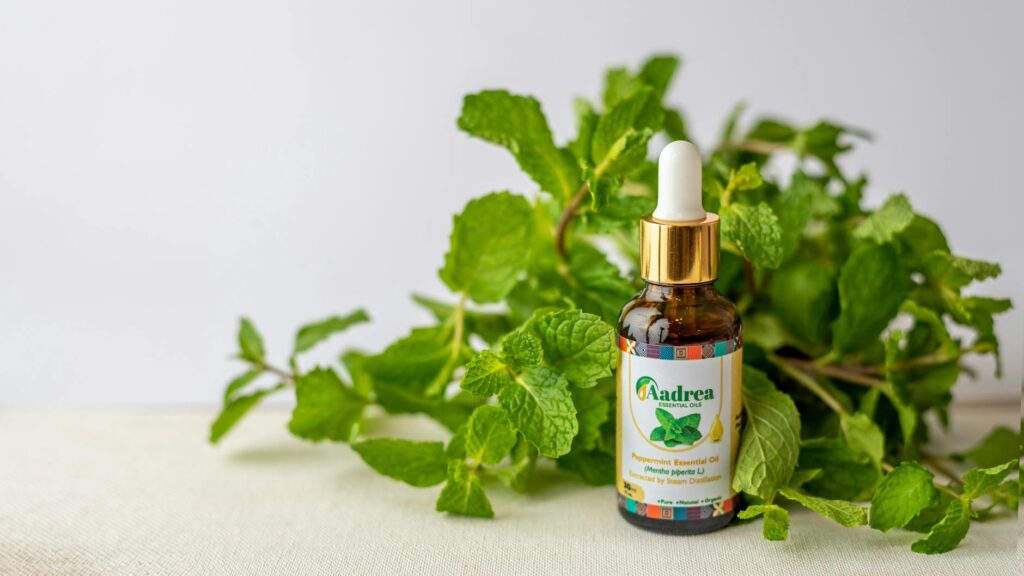
History and Origins of Floral Mint Essential Oil Blends
Introduction
The enchanting world of essential oils has captivated humanity for centuries. Among the myriad of blends available, floral mint essential oil blends hold a special place due to their refreshing aroma and diverse applications. This article delves into the history and origins of floral mint essential oil blends, exploring their formulation, benefits, uses, and more.
What Is Floral Mint Essential Oil Blends?
Floral mint essential oil blends are combinations of essential oils derived from floral and mint plants. The floral components often include oils from flowers such as rose, lavender, or geranium, while the mint components can include peppermint, spearmint, or other mint varieties. These blends are characterized by their sweet, uplifting scents and invigorating properties, making them popular in both personal care and therapeutic applications.
These blends harness the aromatic profiles of both floral and mint essential oils, combining the calming effects of flowers with the refreshing qualities of mint. The result is a versatile product that can evoke feelings of tranquility, clarity, and rejuvenation.
Key Benefits and Properties
Floral mint essential oil blends offer a variety of beneficial properties due to the constituents of both floral and mint oils. Here are some key benefits:
1. Aromatherapy Benefits: The uplifting scent of floral mint blends can help elevate mood, reduce stress, and promote relaxation.
2. Antimicrobial Properties: Many mint oils possess natural antimicrobial qualities, providing a protective barrier against certain pathogens.
3. Digestive Support: Mint oils, particularly peppermint, are known for their ability to support healthy digestion, making these blends useful for digestive comfort.
4. Respiratory Relief: The invigorating aroma of mint can help clear the airways, making it easier to breathe, while floral elements can provide soothing relief.
5. Skin Care: The gentle, calming nature of floral oils combined with the refreshing properties of mint creates an ideal blend for skin care applications.
Common Uses
Floral mint essential oil blends are utilized across various domains, including:
1. Personal Care Products: These blends are commonly found in lotions, creams, and perfumes, providing both fragrance and skin benefits.
2. Household Products: Used in diffusers, candles, and air fresheners, they can enhance the ambiance of living spaces.
3. Massage Oils: Combined with carrier oils, floral mint blends can be used in massage therapy to promote relaxation and relieve tension.
4. Bath Products: Adding floral mint essential oil blends to bathwater can enhance relaxation and create a soothing atmosphere.
5. Inhalers and Roll-Ons: Convenient for on-the-go use, these products allow individuals to experience the benefits of floral mint blends at any time.
Aromatherapy Applications
In aromatherapy, floral mint essential oil blends are particularly valued for their dual capacity to uplift and calm. Here are some common applications:
1. Diffusion: Using a diffuser, individuals can disperse the aroma throughout a room, creating a calming environment.
2. Inhalation: Direct inhalation from the bottle or a cotton ball can provide immediate benefits, especially for stress relief or respiratory support.
3. Topical Application: When diluted with a carrier oil, these blends can be applied to pulse points or the skin to promote relaxation and rejuvenation.
4. Bathing: Adding a few drops to a warm bath can enhance the experience, promoting a sense of well-being and relaxation.
5. Meditation and Yoga: Incorporating floral mint blends into meditation or yoga practice can enhance focus and grounding.
Safety Considerations
While floral mint essential oil blends are generally safe for use, it is essential to observe certain precautions:
1. Dilution: Always dilute essential oils with a carrier oil before applying them to the skin to prevent irritation.
2. Patch Test: Conduct a patch test before widespread use to ensure no adverse reactions occur.
3. Pregnancy and Nursing: Pregnant or nursing individuals should consult with a healthcare professional before using essential oils.
4. Allergies: Individuals with known allergies to specific flowers or mint should avoid blends containing those oils.
5. Children and Pets: Exercise caution when using essential oils around children and pets, as some oils can be harmful to them.
Storage and Shelf Life
Proper storage of floral mint essential oil blends is crucial to maintain their quality. Here are some guidelines:
1. Cool, Dark Place: Store essential oils in a cool, dark area away from direct sunlight to prevent degradation.
2. Sealed Containers: Keep oils in tightly sealed containers to prevent oxidation and evaporation.
3. Shelf Life: The shelf life of floral mint essential oil blends can vary, but most oils can last from 1 to 3 years if stored correctly. Always check for signs of rancidity or changes in aroma.
Frequently Asked Questions
1. What are some popular floral mint essential oil blends?
Popular blends often include combinations like lavender and peppermint, rose and spearmint, or geranium and peppermint. Each blend offers a unique aromatic profile and benefits.
2. Can I create my own floral mint essential oil blend?
Yes, blending your own essential oils can be a rewarding experience. Start with a base of one floral oil and one mint oil, experimenting with different ratios until you find a scent that resonates with you.
3. How do I use floral mint essential oil blends safely?
Always dilute essential oils with a carrier oil for topical use, avoid ingestion unless under professional guidance, and consult a healthcare provider before using if you have existing health conditions or are pregnant.
4. Are there any contraindications for using floral mint essential oil blends?
Certain essential oils may interact with medications or specific health conditions. It is advisable to consult a healthcare professional if you have concerns.
5. Can floral mint essential oil blends be used in food?
While some essential oils are safe for culinary use, many essential oils are not suitable for ingestion. Always check the specific oil’s guidelines and consult a professional if in doubt.
Conclusion
Floral mint essential oil blends represent a harmonious fusion of two aromatic families—floral and mint. With a rich history rooted in ancient practices, these blends offer a plethora of benefits, from enhancing mood to supporting skin health. As interest in aromatherapy continues to grow, understanding the origins, applications, and safety considerations of floral mint blends can empower individuals to integrate these delightful scents into their daily lives. By approaching their use with knowledge and respect, enthusiasts can unlock the full potential of these aromatic treasures.