
History and Origins of Floral Spice Aromatherapy Blends
Introduction
Aromatherapy, an ancient practice that harnesses the therapeutic properties of essential oils, has gained significant popularity in contemporary wellness cultures. Among the diverse categories of essential oils, floral spice blends represent a unique fusion of floral and spicy scents, combining the soothing qualities of flowers with the invigorating, warm attributes of spices. This article delves into the history and origins of floral spice aromatherapy blends, exploring their composition, benefits, common uses, and applications in modern contexts.
What Is Floral Spice Aromatherapy Blends?
Floral spice aromatherapy blends are concoctions that typically incorporate floral essential oils—such as lavender, rose, or geranium—with spicy oils like cinnamon, clove, or ginger. This blend aims to create a harmonious aroma that balances the calming effects of floral notes with the stimulating and warming characteristics of spices.
Historically, the utilization of flowers and spices in therapeutic practices can be traced back thousands of years, with records from ancient civilizations indicating their importance in rituals, medicine, and daily life.
Key Benefits and Properties
The benefits of floral spice aromatherapy blends stem from the unique properties of their individual components:
- Floral Essential Oils: Generally known for their calming and soothing effects, floral oils can help reduce stress, promote relaxation, and enhance mood. For instance, lavender is renowned for its tranquilizing effects, while rose oil is often associated with emotional healing and love.
- Spicy Essential Oils: These oils are often invigorating and can help stimulate the senses. Oils like cinnamon and clove are known for their warming properties and can evoke feelings of comfort and energy. Additionally, many spices possess antimicrobial and anti-inflammatory properties, making them valuable in various holistic practices.
- Dilution: Essential oils are highly concentrated and should be diluted before topical application to avoid skin irritation. A common dilution ratio is 2-3 drops of essential oil per tablespoon of carrier oil.
- Allergies and Sensitivities: Individuals should be aware of any allergies or sensitivities to specific essential oils. A patch test is advisable before widespread use.
- Pregnancy and Medical Conditions: Pregnant individuals or those with specific medical conditions should consult with healthcare professionals before using essential oils, as some may not be safe during pregnancy or with certain health conditions.
- Quality of Oils: The efficacy and safety of floral spice blends depend on the quality of the essential oils used. It is essential to select oils from reputable sources that provide information about their extraction methods and purity.
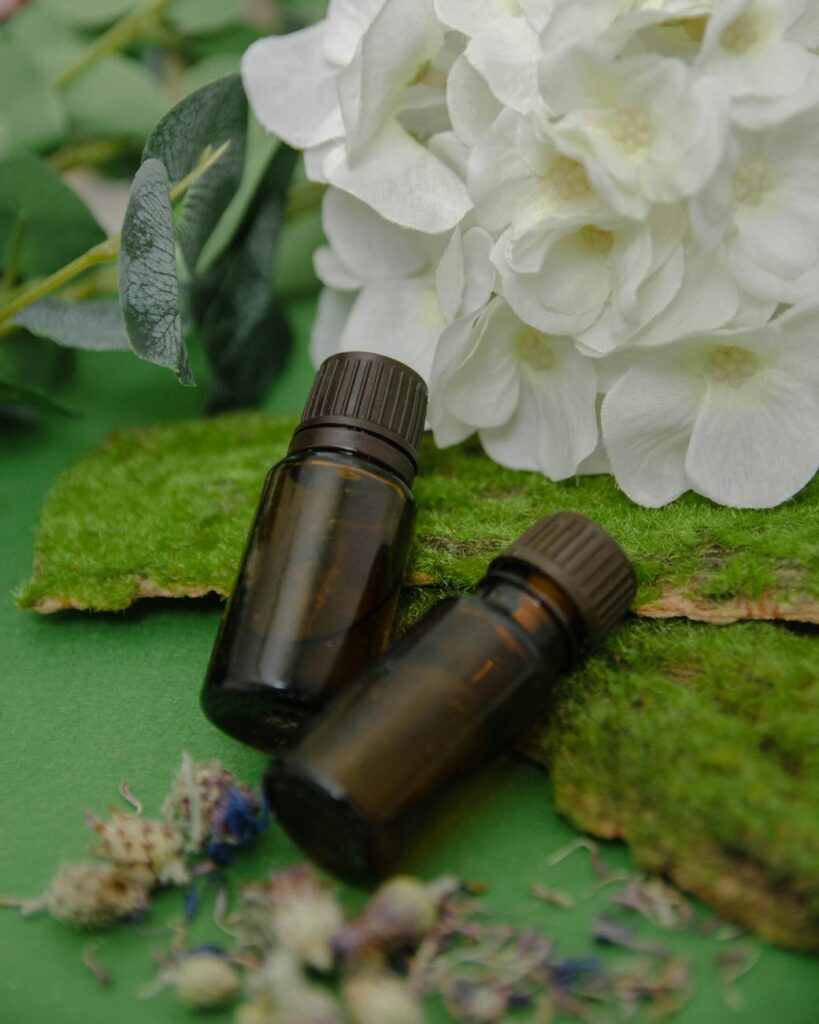
- Dark Glass Containers: Essential oils should be stored in dark glass bottles to protect them from light, which can degrade their quality.
- Cool, Dry Place: Oils should be kept in a cool, dry environment, away from direct sunlight and heat sources.
- Shelf Life: While many essential oils can last for several years, the shelf life varies depending on the type of oil. Citrus oils tend to have a shorter shelf life, around one to two years, while other oils can last up to five years or more.
The combination of floral and spicy oils in aromatherapy blends not only creates a complex and pleasing scent but also enhances the potential health benefits, providing a multifaceted approach to emotional and physical well-being.
Common Uses
Floral spice aromatherapy blends have a wide array of applications, making them versatile tools in both personal wellness and professional settings. Some common uses include:
1. Relaxation and Stress Relief: The soothing qualities of floral oils can help alleviate anxiety and promote a sense of calm, making these blends useful in stressful situations.
2. Mood Enhancement: The uplifting properties of spicy oils can help elevate mood and energy levels, making floral spice blends suitable for use during periods of emotional fatigue or low energy.
3. Environmental Fragrance: These blends can be used in diffusers or candles to create a warm and inviting atmosphere in homes or workspaces.
4. Massage and Body Care: When diluted with carrier oils, floral spice blends can be used in massage therapies to promote relaxation and soothe sore muscles.
5. Spiritual Practices: Many practitioners utilize floral spice blends in meditation or yoga sessions, enhancing the overall experience through scent.
Aromatherapy Applications
Floral spice aromatherapy blends can be utilized in several ways, each method allowing individuals to experience the benefits of these unique combinations:
1. Diffusion
Using an essential oil diffuser is one of the most popular methods for dispersing floral spice blends into the air. By adding a few drops of the blend to the diffuser, individuals can fill their environment with soothing and uplifting aromas, promoting relaxation and mental clarity.
2. Topical Application
Floral spice blends can be integrated into skincare routines or massage therapies when mixed with a suitable carrier oil (such as jojoba or sweet almond oil). A patch test is recommended to ensure skin compatibility, especially for those with sensitive skin.
3. Bathing
Adding floral spice blends to bathwater can create a luxurious and calming experience. When mixed with Epsom salt or a carrier oil, these blends can enhance relaxation and provide an aromatic escape.
4. Inhalation
Direct inhalation of floral spice blends can offer immediate benefits. Placing a few drops on a tissue or using an inhaler can help individuals quickly access the soothing or invigorating properties of the oils.
Safety Considerations
While floral spice aromatherapy blends are generally safe when used appropriately, several safety considerations should be kept in mind:
Storage and Shelf Life
Proper storage of floral spice aromatherapy blends is crucial for maintaining their quality and effectiveness:
Frequently Asked Questions
1. What are the best floral essential oils for blending?
Common floral essential oils that blend well with spicy oils include lavender, rose, geranium, and jasmine. The choice often depends on personal preference and desired effects.
2. Can I create my own floral spice blends?
Absolutely! Creating custom blends allows individuals to tailor aromas to their preferences and needs. Experimenting with different combinations of floral and spicy oils can yield unique and personalized scents.
3. How do I know if a floral spice blend is right for me?
Individual preferences and reactions to scents vary widely. It is advisable to try a small amount of the blend first and note any immediate effects or reactions before incorporating it into regular use.
4. Are there any contraindications for using floral spice blends?
Certain essential oils may have contraindications, especially for pregnant individuals, those with specific medical conditions, or those on certain medications. Consulting with a healthcare provider is recommended if there are any concerns.
5. Where can I find high-quality floral spice essential oils?
High-quality essential oils can be found at specialty health stores, online retailers, or directly from reputable essential oil brands. Always look for oils that provide information about their sourcing and purity.
Conclusion
Floral spice aromatherapy blends represent a fascinating intersection of nature’s offerings, combining the calming essence of flowers with the invigorating warmth of spices. With a rich history and diverse applications, these blends continue to hold a significant place in both holistic practices and modern wellness. By understanding their origins, benefits, and safe usage, individuals can harness the power of floral spice aromatherapy to enhance their well-being and create a harmonious environment.