
History and Origins of Floral Woody Aromatherapy Blends
Introduction
Aromatherapy, the practice of using plant-derived essential oils for therapeutic benefits, has roots that stretch back thousands of years across various cultures. Among the diverse spectrum of essential oil blends, floral woody aromas have garnered significant attention, celebrated for their complex scents and potential therapeutic properties. This article explores the history and origins of floral woody aromatherapy blends, tracing their evolution and significance in both ancient and modern contexts.
What Is Floral Woody Aromatherapy Blends?
Floral woody aromatherapy blends are characterized by their combination of floral and woody essential oils. The floral aspect typically includes oils derived from flowers such as jasmine, rose, or lavender, while the woody component may involve oils like cedarwood, sandalwood, or vetiver. These blends create a harmonious balance, often evoking feelings of calmness and grounding.
The scent profile of floral woody blends is usually rich and multifaceted, appealing to the senses and promoting emotional well-being. They are often favored for their ability to evoke serene imagery of nature, with the floral elements providing lightness and the woody notes offering depth.
Key Benefits and Properties
Floral woody blends are appreciated for a variety of potential benefits, including:
1. Emotional Balance: The combination of floral and woody notes is thought to support emotional stability. Floral oils are often uplifting and soothing, while woody oils are grounding and calming, creating a balanced emotional state.
2. Stress Relief: Many users report that floral woody blends can help alleviate feelings of anxiety or stress. The calming properties of woody oils, combined with the uplifting qualities of floral oils, may assist in promoting relaxation.
3. Enhanced Focus: Certain blends can also aid concentration and mental clarity. The grounding nature of woody scents can create a peaceful environment conducive to focus.
4. Spiritual Connection: In various cultures, essential oils derived from wood have been used in spiritual practices. Floral woody blends may help individuals connect with their inner selves during meditation or mindfulness practices.
5. Aesthetic Appeal: The scent of floral woody blends is often considered pleasing and can enhance the atmosphere of a space, making them popular choices for home environments.
Common Uses
Floral woody aromatherapy blends are versatile and can be utilized in numerous ways:
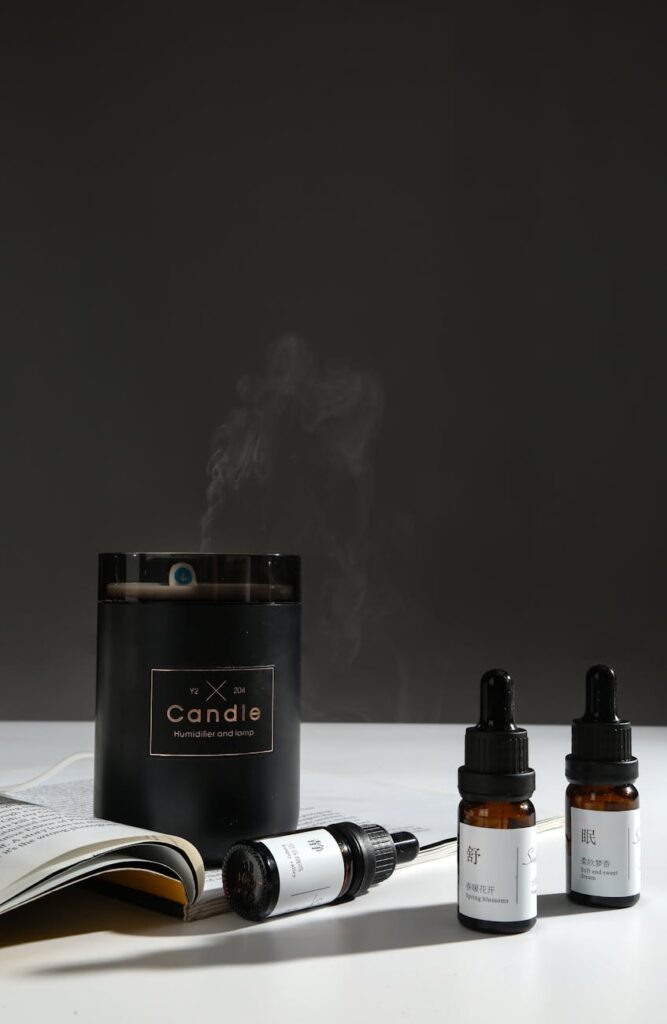
- Diffusion: One of the most popular methods is using a diffuser to disperse the scent throughout a room. This can create a calming environment, perfect for relaxation or meditation.
- Massage Oils: When diluted with a carrier oil, floral woody blends can be used in massage therapy, providing both aromatic benefits and a soothing touch.
- Bathing: Adding a few drops of a floral woody blend to bathwater can create a luxurious and calming bathing experience.
- Skincare: Some floral woody oils have properties that may benefit the skin, making them suitable for inclusion in skincare formulations.
- Home Fragrance: These blends can also be used in candles, potpourri, or room sprays to enhance the ambiance of a living space.
- Inhalation: Direct inhalation from the bottle or by adding oils to a handkerchief allows for immediate aromatic benefits. This method is especially effective for emotional support.
- Topical Application: When diluted with a carrier oil, floral woody blends can be applied to pulse points, such as wrists and neck, for prolonged scent and therapeutic effects.
- Bathing: As mentioned, adding blends to baths can enhance relaxation, especially when combined with Epsom salts or other bath additives.
- Meditation and Yoga: Floral woody blends can be used in meditation practices to help create a calming environment, often used in conjunction with breathing exercises.
- Cool, Dark Place: Essential oils should be stored in a cool, dark location, away from direct sunlight or heat sources, which can degrade their quality.
- Tightly Sealed: Ensure bottles are tightly sealed when not in use to prevent oxidation.
- Shelf Life: The shelf life of essential oils varies. Generally, floral oils may have a shorter shelf life, ranging from 1-3 years, while woody oils can last longer, up to 5 years or more. Regularly check for changes in scent or consistency.
Aromatherapy Applications
To fully appreciate the benefits of floral woody aromatherapy blends, one should understand their application methods. Here are some common techniques:
Safety Considerations
While essential oils can provide a variety of benefits, it is essential to use them safely. Here are some critical safety considerations:
1. Dilution: Essential oils are potent and should be diluted with a carrier oil before topical application. A typical dilution ratio is 1-2 drops of essential oil per teaspoon of carrier oil.
2. Patch Test: Before using any new blend on the skin, it is advisable to perform a patch test to check for any allergic reactions.
3. Pregnancy and Nursing: Certain essential oils may not be safe during pregnancy or while nursing. Consulting a qualified practitioner is recommended.
4. Children and Pets: Some essential oils can be harmful to children and pets. It is essential to research specific oils and consult healthcare providers as needed.
5. Quality of Oils: Always use high-quality, pure essential oils from reputable sources, as synthetic or adulterated oils may not provide the same benefits and could potentially cause sensitivities.
Storage and Shelf Life
Proper storage is crucial for maintaining the integrity of essential oils. Here are some guidelines:
Frequently Asked Questions
What are some popular floral woody essential oils?
Common floral oils include jasmine, rose, and lavender, while woody options often feature cedarwood, sandalwood, and vetiver.
Can floral woody blends be used for aromatherapy in children?
Some floral woody blends can be safe for children when properly diluted. Always consult with a healthcare professional for advice tailored to children’s needs.
How do I create my own floral woody blend?
Start with a base of carrier oil, then add a few drops of your desired floral and woody essential oils, adjusting to personal preference.
Are there any specific floral woody blends recommended for relaxation?
Blends combining lavender and sandalwood or rose and cedarwood are frequently cited for their calming properties.
Can I use floral woody oils in cooking or ingestion?
Most essential oils are not suitable for ingestion unless labeled specifically for that purpose. Always research and consult professionals before considering oral use.
Is there a difference between floral woody blends and other aromatherapy blends?
Yes, floral woody blends specifically combine floral and woody notes, while other blends may incorporate citrus, herbal, or spicy elements, each offering distinct scent profiles and potential benefits.
Conclusion
The history and origins of floral woody aromatherapy blends reflect a rich tapestry of cultural practices and evolving understanding of the therapeutic properties of essential oils. By appreciating the benefits and applications of these blends, individuals can enhance their emotional well-being, promote relaxation, and create inviting environments. As the field of aromatherapy continues to grow, floral woody blends remain a popular choice, celebrated for their unique aromatic qualities and potential to connect us with nature.