
History and Origins of Frankincense Oil Safety
Introduction
Frankincense oil has a rich history that spans thousands of years, revered in various cultures for its aromatic qualities and spiritual significance. Derived from the resin of the Boswellia tree, frankincense has been utilized in religious rituals, traditional medicine, and modern wellness practices. As the popularity of essential oils and aromatherapy grows, ensuring the safety of frankincense oil has become paramount for consumers and practitioners alike. This article aims to explore the history and origins of frankincense oil safety, elucidating its benefits, common uses, and essential safety considerations.
What Is Frankincense Oil Safety?
Frankincense oil safety refers to the practices and guidelines that ensure the safe use of frankincense essential oil. This involves understanding the oil’s properties, potential effects, and the correct methods of application. Given the oil’s historical context and modern applications, safety is a crucial aspect that encompasses proper dilution, potential allergies, and contraindications, particularly when used in aromatherapy or topical applications.
Key Benefits and Properties
Frankincense oil is lauded for its wide array of beneficial properties. Some of the key benefits include:
1. Anti-inflammatory Properties: Frankincense is known for its ability to reduce inflammation, making it a popular choice for those seeking natural relief from discomfort.
2. Antimicrobial Effects: Various studies suggest that frankincense oil possesses antimicrobial properties, which can help combat certain bacteria and fungi.
3. Emotional Well-being: The aroma of frankincense oil is believed to promote feelings of peace and relaxation, making it a staple in meditation and spiritual practices.
4. Skin Health: Frankincense can be beneficial for skin regeneration, helping to reduce the appearance of scars and fine lines.
5. Respiratory Support: Inhalation of frankincense oil may help support respiratory function, making it a common ingredient in respiratory blends.
Understanding these properties is essential for users to appreciate the potential benefits of frankincense oil while also recognizing the importance of safety in its use.
Common Uses
Frankincense oil has a rich history of applications across a variety of fields:
- Religious and Spiritual Practices: Historically, frankincense has been used in religious rituals, offerings, and as incense in various spiritual traditions, including Christianity, Buddhism, and Hinduism.
- Cosmetic Products: The oil is commonly incorporated into skincare products due to its rejuvenating properties. It can be found in creams, serums, and lotions.
- Aromatherapy: In aromatherapy, frankincense oil is utilized for its calming effects. It is often diffused or used in massage oils to enhance relaxation.
- Traditional Medicine: In various cultures, frankincense has been used for its medicinal properties, including as a treatment for respiratory ailments and digestive issues.
- Diffusion: Frankincense is frequently added to diffusers to create a tranquil atmosphere, conducive to meditation and relaxation.
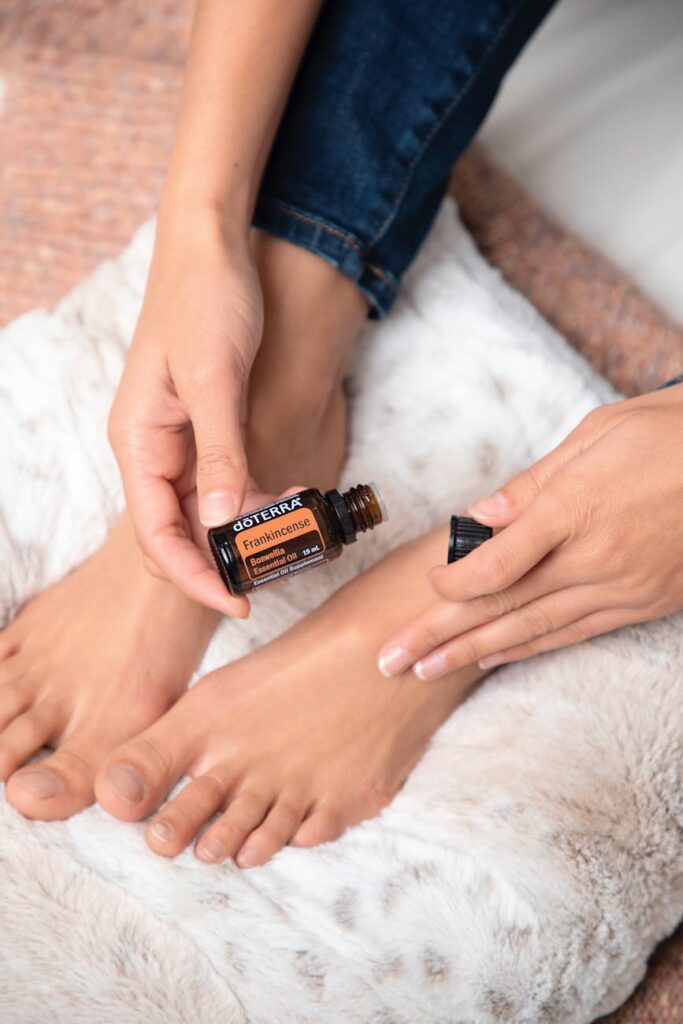
- Topical Application: When diluted with a carrier oil, frankincense oil can be applied to the skin to promote skin health and alleviate discomfort.
- Inhalation: Inhaling frankincense oil directly from the bottle or using an inhaler can help provide respiratory support and emotional balance.
- Baths: Adding a few drops of frankincense oil to bathwater can create a calming experience, enhancing both physical and mental relaxation.
- Dark Glass Containers: Essential oils should be stored in dark glass bottles to protect them from light, which can degrade their quality.
- Cool, Dry Place: Store frankincense oil in a cool, dry environment away from direct sunlight and heat sources. High temperatures can alter the chemical composition of the oil.
- Shelf Life: Generally, frankincense oil can last for 3-5 years when stored correctly. However, it is advisable to check for changes in aroma or viscosity, which may indicate that the oil is no longer suitable for use.
The diverse uses of frankincense oil underscore its significance throughout history and its continued relevance in contemporary wellness practices.
Aromatherapy Applications
In the realm of aromatherapy, frankincense oil is often employed for its soothing and grounding effects. Here are some common applications:
Incorporating frankincense oil into your aromatherapy practices can provide a holistic approach to wellness, though it is essential to prioritize safety.
Safety Considerations
When using frankincense oil, several safety considerations should be kept in mind:
1. Dilution: Essential oils are highly concentrated and should always be diluted with a carrier oil before topical application. A common dilution ratio is 2-3 drops of frankincense oil per teaspoon of carrier oil.
2. Patch Test: Before using frankincense oil on a larger area of skin, it is advisable to conduct a patch test to check for any allergic reactions.
3. Pregnancy and Nursing: Pregnant or nursing individuals should consult with a qualified professional before using frankincense oil, as certain essential oils may not be safe during these periods.
4. Children and Pets: Special care should be taken when using frankincense oil around children and pets. Always consult with a healthcare provider or veterinarian for guidance.
5. Quality of Oil: The purity and quality of frankincense oil can vary significantly among manufacturers. Select high-quality, reputable brands to minimize the risk of contamination or adulteration.
By observing these safety guidelines, users can enjoy the benefits of frankincense oil while minimizing potential risks.
Storage and Shelf Life
Proper storage of frankincense oil is crucial for maintaining its quality and efficacy. Here are some key points regarding storage:
By following proper storage guidelines, users can extend the shelf life of frankincense oil and ensure its safety and effectiveness.
Frequently Asked Questions
1. What is frankincense oil made from?
Frankincense oil is derived from the resin of the Boswellia tree, which is primarily found in regions of the Arabian Peninsula, North Africa, and parts of India.
2. Can I use frankincense oil directly on my skin?
It is recommended to dilute frankincense oil with a carrier oil before applying it to the skin to reduce the risk of irritation.
3. Is frankincense oil safe for children?
While frankincense oil can be used around children, it is essential to consult a healthcare provider for appropriate usage and dilution guidelines.
4. How can I incorporate frankincense oil into my daily routine?
Frankincense oil can be diffused, added to skincare products, used in baths, or applied topically (when diluted) to enhance relaxation and promote skin health.
5. What should I do if I experience an allergic reaction to frankincense oil?
If you experience an allergic reaction or irritation after using frankincense oil, discontinue use immediately and consult a healthcare professional for advice.
Conclusion
Frankincense oil has a storied history rooted in spirituality, tradition, and wellness. Its rich array of benefits and applications has made it a staple in various cultures around the world. However, as with any essential oil, understanding safety considerations is crucial for responsible use. By following proper guidelines for dilution, storage, and application, individuals can enjoy the multifaceted benefits of frankincense oil while ensuring their safety and well-being.