
History and Origins of Frankincense Oil
Introduction
Frankincense oil, derived from the resin of the Boswellia tree, has a rich and storied history that dates back thousands of years. Known for its distinctive aroma and therapeutic properties, frankincense has been utilized in various cultures for spiritual, medicinal, and cosmetic purposes. This article explores the history and origins of frankincense oil, delving into its significance across different civilizations, its extraction process, and its contemporary applications.
What Is Frankincense Oil?
Frankincense oil is an essential oil obtained from the resin of several species of the Boswellia tree, primarily Boswellia sacra, Boswellia carteri, and Boswellia frereana. The resin is harvested by making incisions in the bark of the tree, allowing the sap to ooze out and harden into gum-like droplets. Once dried, this resin is steam-distilled to produce the essential oil, characterized by its warm, woody, and slightly spicy scent.
Frankincense oil is often categorized into different grades based on the species of Boswellia used and the quality of the resin. The oil is highly valued not only for its aromatic qualities but also for its biological properties, making it a staple in both traditional and modern practices.
Key Benefits and Properties
Frankincense oil is renowned for its various benefits and properties. While it is important to note that these benefits are not universally accepted by the scientific community, frankincense has been attributed with several qualities:
1. Anti-inflammatory: Frankincense oil is often praised for its potential anti-inflammatory properties, which may help reduce swelling and promote healing.
2. Antimicrobial: Some studies suggest that frankincense oil possesses antimicrobial properties, potentially making it useful in combating certain pathogens.
3. Mood Enhancer: The oil is commonly used in aromatherapy to promote relaxation and alleviate stress. Its calming scent may help improve overall emotional well-being.
4. Skin Care: Frankincense oil is frequently included in skincare products due to its alleged ability to improve skin elasticity and reduce the appearance of scars and blemishes.
5. Respiratory Support: Traditionally, frankincense has been used to ease respiratory issues. Its inhalation is thought to promote clearer breathing.
Common Uses
Frankincense oil has a diverse range of applications, spanning traditional rituals to modern wellness practices:
- Spiritual Practices: Historically, frankincense has been burned as incense in religious and spiritual ceremonies. It is often associated with purification and divine connection.
- Perfumes and Fragrances: Due to its rich aroma, frankincense oil is a popular ingredient in perfumes and scented products, contributing depth and warmth.
- Cosmetics: The oil’s purported skin benefits have led to its inclusion in various cosmetic formulations, including creams, lotions, and serums.
- Massage Oils: When diluted, frankincense oil is often used in massage oils to enhance relaxation and relieve tension.
- Household Products: Frankincense is sometimes incorporated into cleaning products for its pleasant scent and potential antimicrobial properties.
- Diffusion: Adding a few drops of frankincense oil to a diffuser can create a serene atmosphere conducive to meditation, yoga, or relaxation.
- Inhalation: Inhaling the aroma directly from the bottle or from a cotton ball can provide immediate stress relief and grounding.
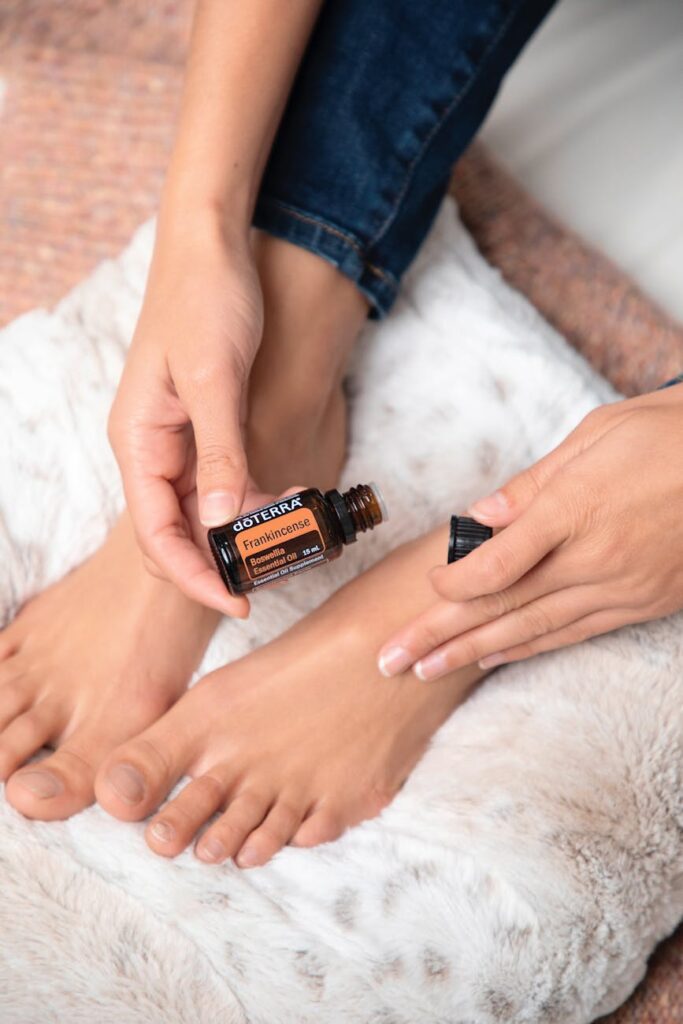
- Topical Application: When diluted with a carrier oil, frankincense can be applied to pulse points or areas of tension for localized effects.
- Bathing: Adding a few drops of frankincense oil to bathwater can enhance relaxation and promote a sense of well-being.
- Dilution: Essential oils are highly concentrated and should be diluted with a carrier oil before topical application to avoid skin irritation.
- Patch Test: It is advisable to conduct a patch test on a small area of skin to check for allergic reactions or sensitivities.
- Pregnancy and Nursing: Pregnant or nursing women should consult a healthcare professional before using frankincense oil.
- Medical Conditions: Individuals with specific medical conditions or those taking medications should seek advice from a qualified healthcare provider before incorporating frankincense oil into their routine.
- Age Considerations: Caution should be exercised when using essential oils around young children and pets, as they may be more sensitive to their effects.
- Container: Store frankincense oil in a dark glass bottle to protect it from light, which can degrade its quality over time.
- Temperature: Keep the oil in a cool, dry place away from direct sunlight and heat sources.
- Shelf Life: When stored correctly, frankincense oil typically has a shelf life of 3 to 5 years. However, its potency can diminish over time, so it is advisable to check for changes in aroma or consistency.
Aromatherapy Applications
In aromatherapy, frankincense oil is utilized for its calming and centering effects. It is often diffused, inhaled directly, or mixed with carrier oils for topical application. Some common methods of using frankincense in aromatherapy include:
Safety Considerations
While frankincense oil is generally considered safe for most individuals, several precautions should be taken:
Storage and Shelf Life
To maintain the integrity of frankincense oil, proper storage is essential:
Frequently Asked Questions
1. Is frankincense oil safe for everyone?
While frankincense oil is generally safe for most people, it is essential to dilute it before topical application and consult with a healthcare professional if you have specific health concerns or conditions.
2. Can frankincense oil be ingested?
Ingesting essential oils is not recommended unless under the guidance of a qualified healthcare professional. Many essential oils can be toxic when consumed.
3. What is the best way to use frankincense oil for relaxation?
Diffusing frankincense oil in a diffuser or adding a few drops to a warm bath can create a calming environment conducive to relaxation.
4. How can I tell if my frankincense oil is pure?
Look for high-quality, therapeutic-grade frankincense oil from reputable suppliers. Check for information on the oil’s extraction method, sourcing, and any third-party testing for purity.
5. Can frankincense oil help with skin issues?
Frankincense oil is often included in skincare products for its potential benefits. However, individual results may vary, and it is advisable to perform a patch test before widespread use.
Conclusion
Frankincense oil stands as a testament to the enduring relationship between humans and nature, with its history rooted in ancient traditions and its applications spanning centuries. Whether used for spiritual practices, personal wellness, or cosmetic purposes, frankincense oil continues to captivate and inspire. Understanding its origins, benefits, and uses allows individuals to appreciate the depth of this remarkable essential oil and incorporate it thoughtfully into their lives.