
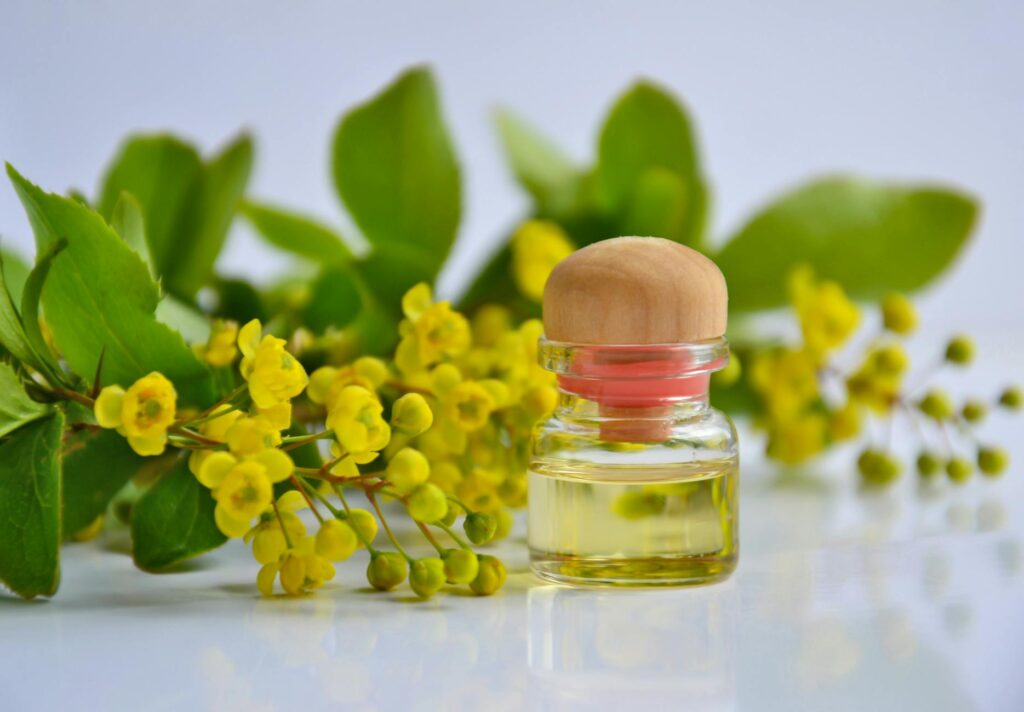
History and Origins of Fruit Extracts
Introduction
Fruit extracts have been utilized for centuries across various cultures, recognized for their vibrant flavors, aromatic qualities, and potential health benefits. Derived from the flesh, seeds, and peels of fruits, these extracts encapsulate the essence of the fruit, making them popular in culinary, cosmetic, and therapeutic applications. This article will explore the history and origins of fruit extracts, providing a comprehensive understanding of their benefits, uses, and considerations.
What Are Fruit Extracts?
Fruit extracts are concentrated forms of the natural compounds found in fruits. They are typically obtained through methods such as cold pressing, steam distillation, or solvent extraction. The resulting product is a liquid that retains the aromatic and flavorful properties of the original fruit, often used to enhance the sensory experience in various applications.
Common examples include:
- Citrus Extracts: Derived from fruits like oranges, lemons, and grapefruits.
- Berry Extracts: Including strawberries, blueberries, and raspberries.
- Tropical Fruit Extracts: Such as mango, pineapple, and papaya.
- Citrus Extracts: Lemon, lime, and orange extracts are often used to promote feelings of happiness, energy, and clarity. They can be uplifting and refreshing, making them suitable for enhancing focus and motivation.
- Berry Extracts: Raspberry and blueberry extracts may evoke feelings of comfort and nostalgia, often used in relaxation blends to promote a sense of calm.
- Tropical Extracts: Mango and pineapple extracts are associated with warmth and joy, often used in blends intended to inspire creativity or happiness.
These extracts can vary in their chemical compositions, which contribute to their distinct characteristics and applications.
Key Benefits and Properties
Fruit extracts are celebrated for their diverse range of beneficial properties. While specific benefits may vary depending on the fruit, several key attributes are commonly associated with these extracts:
1. Antioxidant Properties: Many fruits contain high levels of antioxidants, which help neutralize free radicals in the body. This property makes fruit extracts popular in cosmetics and dietary supplements.
2. Anti-inflammatory Effects: Certain fruit extracts are noted for their anti-inflammatory properties, making them appealing for topical applications in skincare.
3. Hydrating and Nourishing: Fruit extracts often contain natural sugars, vitamins, and minerals that can hydrate and nourish the skin or support overall wellness.
4. Aromatic Qualities: The inherent fragrances of fruit extracts make them popular in aromatherapy and perfumery, providing uplifting and refreshing scents.
5. Flavor Enhancement: In culinary applications, fruit extracts serve to intensify flavors, providing a concentrated taste profile that can elevate dishes and beverages.
Common Uses
Fruit extracts have a wide array of applications across various industries, including:
Culinary
In the culinary world, fruit extracts are primarily used as flavor enhancers in baked goods, beverages, sauces, and dressings. They provide a concentrated fruit flavor without the need for fresh fruit, allowing for longer shelf life and ease of use.
Cosmetics and Skincare
Due to their nourishing and hydrating properties, fruit extracts are commonly found in skincare products. They are used in formulations for cleansers, lotions, serums, and masks, helping to improve skin texture and appearance.
Aromatherapy
In aromatherapy, fruit extracts are used in diffusers, candles, and massage oils to create uplifting environments. Their aromatic compounds can evoke various moods and enhance emotional well-being.
Household Products
Fruit extracts can also be employed in cleaning products and air fresheners, leveraging their pleasant scents and potential antimicrobial properties to create effective and enjoyable products.
Aromatherapy Applications
The use of fruit extracts in aromatherapy is grounded in their aromatic and mood-enhancing properties. Various fruit extracts are believed to have specific effects on emotional and mental well-being:
When utilizing fruit extracts in aromatherapy, they can be added to diffusers, inhalers, or diluted in carrier oils for topical applications.
Safety Considerations
While fruit extracts are generally considered safe for use, there are several important safety considerations to keep in mind:
1. Dilution: When using concentrated fruit extracts, especially in topical applications, it is crucial to dilute them with a carrier oil to prevent skin irritation.
2. Allergic Reactions: Some individuals may be allergic to specific fruits. It is advisable to conduct a patch test before extensive use, especially in cosmetics.
3. Sun Sensitivity: Certain citrus extracts can increase photosensitivity, making the skin more susceptible to sunburn. Caution should be exercised when using such extracts before sun exposure.
4. Quality and Purity: Always source fruit extracts from reputable suppliers to ensure purity and avoid contaminants. Look for products that are free from synthetic additives and preservatives.
5. Consultation: Individuals with specific health concerns or those who are pregnant should consult with a healthcare professional before incorporating new extracts into their routines.
Storage and Shelf Life
Proper storage of fruit extracts is essential to maintain their quality and effectiveness. Here are some guidelines:
1. Cool, Dark Places: Store fruit extracts in a cool, dark place away from direct sunlight and heat sources. Exposure to light and heat can degrade the quality of the extract.
2. Sealed Containers: Keep extracts in tightly sealed containers to prevent oxidation and contamination. Glass bottles are often preferred as they are non-reactive.
3. Refrigeration: For some extracts, especially those derived from fresh fruits, refrigeration may extend shelf life. Always check specific recommendations for the extract in use.
4. Expiration Dates: Be mindful of expiration dates and use extracts within the recommended timeframe to ensure optimal quality.
Frequently Asked Questions
1. Can fruit extracts be used in cooking?
Yes, fruit extracts are commonly used in cooking to enhance flavors in various dishes, beverages, and baked goods.
2. Are fruit extracts safe for all skin types?
While many people can use fruit extracts safely, it is important to conduct a patch test, especially if you have sensitive skin or allergies.
3. How do I choose a quality fruit extract?
Look for products that are pure and free from synthetic additives. Research brands and read product labels for information on sourcing and processing.
4. Can I make my own fruit extracts at home?
Yes, homemade fruit extracts can be made using alcohol, glycerin, or oil as a base. However, quality may vary compared to commercially produced extracts.
5. Are there any fruits that should be avoided in extracts?
Individuals with known allergies to specific fruits should avoid using extracts from those fruits. Always consult with a healthcare professional if unsure.
Conclusion
The rich history and origins of fruit extracts reflect their significance across various cultures and industries. From culinary applications to aromatherapy and skincare, these concentrated forms of fruit capture the essence of nature, offering a multitude of benefits. As interest in natural products continues to grow, understanding the properties, uses, and safety considerations of fruit extracts remains essential for maximizing their potential. By exploring these fascinating extracts, one can appreciate the beauty and utility that fruits offer beyond their fresh form.