
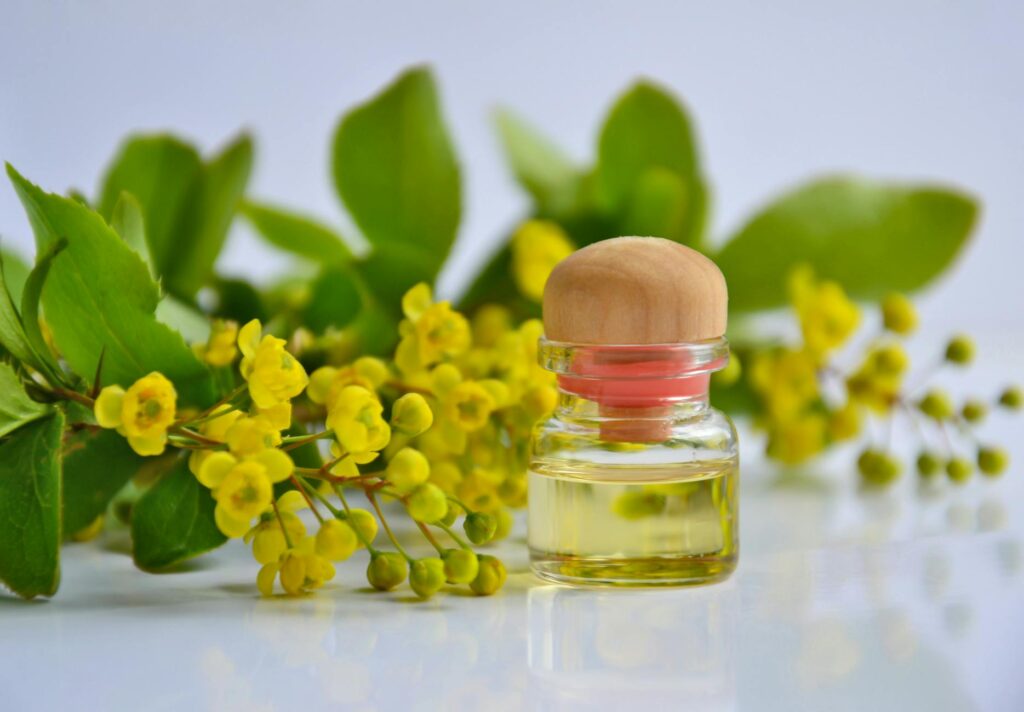
History and Origins of Fruit Hydrosols
Introduction
The world of aromatherapy and essential oils has captivated individuals for centuries, but a lesser-known component of this aromatic landscape is fruit hydrosols. These fragrant waters, often seen as byproducts of essential oil distillation, have a rich history and are gaining attention for their unique properties and versatile applications. This article will explore the origins, benefits, uses, and safety considerations of fruit hydrosols, providing a comprehensive understanding of these aromatic treasures.
What Is Fruit Hydrosols?
Fruit hydrosols are aromatic waters produced during the steam distillation of fruits. When plant materials, such as fruits, are subjected to steam, the volatile compounds evaporate and are carried away with the steam. Once this steam cools, it condenses back into liquid form, resulting in two distinct products: essential oil and hydrosol. While essential oils are highly concentrated and potent, hydrosols are more diluted, retaining a gentler fragrance and a variety of beneficial properties.
Unlike essential oils, which are typically viscous and oily, hydrosols are water-based and often have a lighter, fresher scent. They are often rich in the water-soluble components of the plant, which may include phytochemicals, vitamins, and minerals.
Key Benefits and Properties
Fruit hydrosols are celebrated for their sensory and therapeutic properties. Some key benefits include:
1. Gentle Aroma: The fragrance of fruit hydrosols is often subtle and refreshing, making them ideal for individuals who may be sensitive to the potency of essential oils.
2. Hydration: Due to their water content, hydrosols can provide a soothing and hydrating effect on the skin, making them popular in skincare formulations.
3. Mild Antimicrobial Properties: Some fruit hydrosols possess antimicrobial qualities that can help inhibit the growth of certain bacteria and fungi, making them valuable for cleansing and purifying.
4. Mood Enhancement: The scents of fruit hydrosols can evoke feelings of calmness and happiness, contributing to emotional well-being.
5. Versatility: They can be used in a variety of applications, including skin care, culinary endeavors, and household cleaning.
Common Uses
Fruit hydrosols have a wide array of applications across different fields. Some of the most common uses include:
1. Skincare
Fruit hydrosols are often incorporated into skincare products due to their hydrating and soothing properties. They can be used as:
- Facial Toners: Helping to balance the skin’s pH and remove impurities.
- Mist Sprays: Providing a refreshing boost throughout the day.
- Soothing Agents: Alleviating skin irritations and sunburns.
- Desserts: Adding a subtle fruit essence to cakes, pastries, and ice creams.
- Beverages: Infusing drinks with unique flavors in cocktails or herbal teas.
- Surface Sprays: Offering a pleasant fragrance while disinfecting surfaces.
- Laundry Refreshers: Adding a fresh scent to linens and clothing.
- Diffusion: Adding a few drops of fruit hydrosol to a diffuser can create a refreshing atmosphere in living spaces.
- Bathing: Incorporating hydrosols into bathwater can enhance relaxation and create a spa-like experience.
- Massage: Diluting fruit hydrosols with carrier oils can be an excellent option for massage therapy.
- Cool, Dark Place: Hydrosols should be stored in a cool, dark environment to prevent degradation from light and heat.
- Glass Containers: Amber or cobalt blue glass bottles are ideal for preserving the quality of hydrosols, as they protect against UV light.
- Refrigeration: For optimal freshness, some hydrosols may benefit from refrigeration, especially those derived from more delicate fruits.
2. Culinary Uses
Certain fruit hydrosols, such as those derived from citrus fruits, can be used in cooking and baking. They can enhance flavor profiles in:
3. Household Cleaning
With their mild antimicrobial properties, fruit hydrosols can be utilized in natural cleaning solutions. They can be incorporated into:
4. Aromatherapy
In aromatherapy practices, fruit hydrosols can be used as a gentle alternative to essential oils. They can be diffused or applied topically for their aromatic benefits.
Aromatherapy Applications
The use of fruit hydrosols in aromatherapy is becoming increasingly popular. Their lighter scent profile makes them suitable for various applications, including:
Safety Considerations
While fruit hydrosols are generally considered safe for most individuals, there are some important safety considerations to keep in mind:
1. Allergies: Individuals with known allergies to specific fruits should exercise caution when using hydrosols derived from those fruits.
2. Skin Sensitivity: Although hydrosols are gentler than essential oils, it is advisable to perform a patch test before applying them topically.
3. Pregnancy and Breastfeeding: While fruit hydrosols are generally safe, pregnant or breastfeeding individuals should consult with a healthcare professional before use.
4. Storage and Stability: Proper storage is crucial for maintaining the quality of hydrosols.
Storage and Shelf Life
To ensure the longevity and effectiveness of fruit hydrosols, proper storage practices are essential:
The shelf life of fruit hydrosols varies but typically ranges from one to three years, depending on the specific fruit and storage conditions. Regularly check for changes in aroma, color, or clarity, as these may indicate spoilage.
Frequently Asked Questions
1. How are fruit hydrosols made?
Fruit hydrosols are made through the steam distillation of fruits. The steam carries the volatile compounds from the plant material, which then condense into liquid form, resulting in both hydrosol and essential oil.
2. Are fruit hydrosols safe for all skin types?
Generally, fruit hydrosols are safe for most skin types. However, individuals with allergies or sensitive skin should perform a patch test before widespread use.
3. Can fruit hydrosols be ingested?
Not all fruit hydrosols are safe for ingestion. It is essential to check for food-safe certifications if considering culinary applications.
4. How do I choose the right fruit hydrosol for my needs?
When selecting a fruit hydrosol, consider its intended use. Look for high-quality, organic options that are free from additives and preservatives.
5. How long do fruit hydrosols last?
The shelf life of fruit hydrosols can vary but typically ranges from one to three years, depending on the fruit and storage conditions.
Conclusion
Fruit hydrosols are a delightful and versatile addition to the world of aromatherapy and natural wellness. Their gentle aroma, hydrating properties, and multitude of applications make them a valuable resource for those seeking a more subtle aromatic experience. As interest in natural products continues to grow, understanding the history and origins of fruit hydrosols can enrich our appreciation for these fragrant waters and their place in holistic practices.