
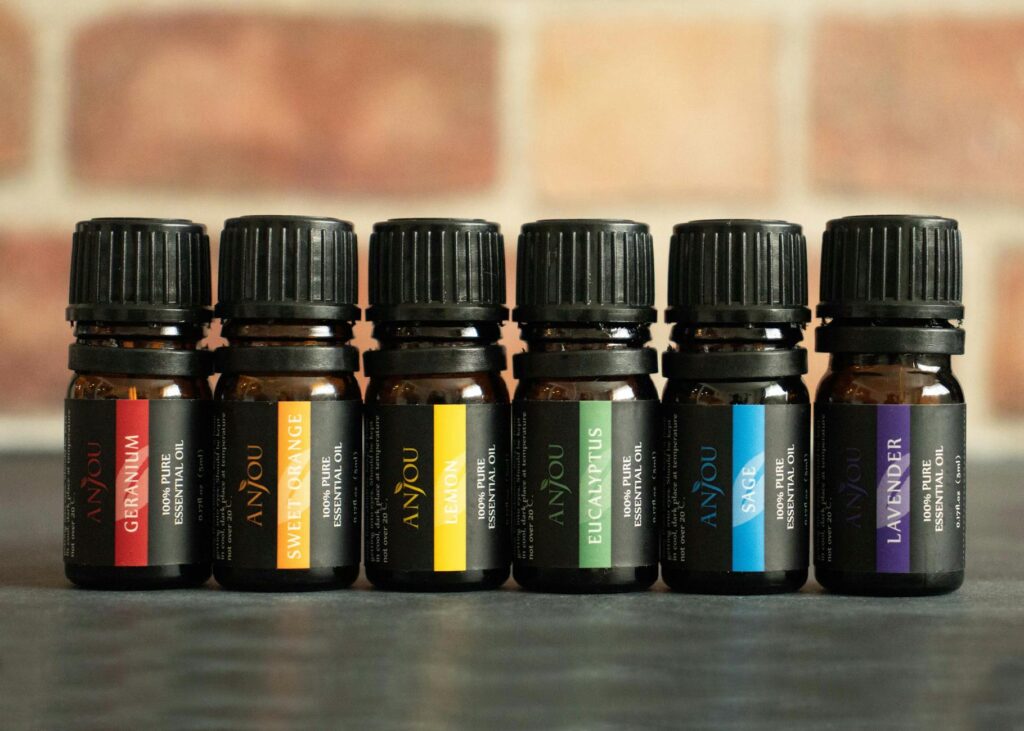
History and Origins of Geranium Oil
Introduction
Geranium oil, derived from the leaves and flowers of the Pelargonium genus, has a rich history intertwined with cultural practices, traditional medicine, and modern aromatherapy. Its origins trace back to various regions, each contributing unique characteristics and uses to this versatile essential oil. This article explores the history and origins of geranium oil, detailing its botanical background, key benefits, applications, and safety considerations.
What Is Geranium Oil?
Geranium oil is an essential oil extracted primarily from the leaves and stems of various species of Pelargonium, a genus native to Southern Africa. The most commonly used species for oil extraction include Pelargonium graveolens, Pelargonium radens, and Pelargonium odoratissimum. The extraction process typically involves steam distillation, which captures the oil’s aromatic properties while preserving its therapeutic benefits.
The oil is characterized by its sweet, floral scent with earthy undertones, making it popular in both perfumery and aromatherapy. Its chemical composition comprises a wide range of active compounds, including geraniol, citronellol, and linalool, which are responsible for its distinctive aroma and various properties.
Key Benefits and Properties
Geranium oil is celebrated for its numerous benefits and properties, which include:
1. Mood Enhancement: The uplifting scent of geranium oil is known to promote emotional balance, reduce stress, and alleviate anxiety.
2. Anti-inflammatory Properties: Preliminary studies suggest that geranium oil may possess anti-inflammatory effects, making it a popular choice for soothing irritated skin.
3. Antimicrobial Activity: Research indicates that geranium oil exhibits antimicrobial properties, which can help in inhibiting the growth of certain bacteria and fungi.
4. Hormonal Balance: Traditionally, geranium oil has been used to support hormonal health, particularly in women, though more research is needed in this area.
5. Skin Care: Its potential to promote healthy skin and aid in the healing of minor cuts and wounds makes geranium oil a common ingredient in skincare products.
Common Uses
Geranium oil has found its way into various applications across different cultures:
1. Perfumes and Fragrances: Due to its pleasant aroma, geranium oil has been widely used in the fragrance industry, both in commercial perfumes and artisanal creations.
2. Cosmetics: Its skin-enhancing properties make it a popular ingredient in lotions, creams, and other cosmetic products.
3. Household Cleaning: The oil’s antimicrobial properties have led to its inclusion in natural cleaning products.
4. Insect Repellent: Geranium oil is sometimes used as a natural insect repellent, particularly against mosquitoes.
5. Culinary Uses: Certain varieties of geranium, particularly rose-scented geraniums, are utilized in culinary applications, adding a unique flavor to dishes and beverages.
Aromatherapy Applications
In the realm of aromatherapy, geranium oil is often utilized for its mood-lifting and balancing properties. Here are several applications:
- Diffusion: When diffused, geranium oil can create a calming atmosphere, beneficial for relaxation or meditation practices.
- Topical Application: Blended with carrier oils, geranium oil can be applied to pulse points, aiding in emotional equilibrium and skin health.
- Bathing: Adding a few drops of geranium oil to bath water can enhance the bathing experience, promoting relaxation and a sense of well-being.
- Massage: When incorporated into massage oils, geranium oil may help alleviate tension and improve overall emotional health.
- Dilution: Essential oils should always be diluted before topical application to avoid skin irritation or allergic reactions. A common recommendation is to use a carrier oil, such as jojoba or coconut oil.
- Allergies: Individuals with known allergies to plants in the Geraniaceae family should avoid geranium oil.
- Pregnancy and Breastfeeding: Although geranium oil is often regarded as safe, pregnant and breastfeeding women should consult with a healthcare provider before using essential oils.
- Skin Sensitivity: A patch test is advisable before using geranium oil on larger areas of the skin to determine any potential sensitivity.
- Storage Conditions: Essential oils should be stored in a cool, dark place, away from direct sunlight, which can degrade their quality.
- Container: Glass bottles are preferred for storage, as they do not react with essential oils. Dark amber or cobalt blue bottles are especially good for protecting the oil from light.
- Shelf Life: When stored properly, geranium oil can last for about 1 to 3 years. However, its aroma and therapeutic properties may diminish over time.
Safety Considerations
While geranium oil is generally considered safe for most individuals, certain precautions should be observed:
Storage and Shelf Life
Proper storage of geranium oil is essential to maintain its quality and effectiveness. Here are some guidelines:
Frequently Asked Questions
1. How is geranium oil extracted?
Geranium oil is primarily extracted through steam distillation of the leaves and stems of the Pelargonium plant.
2. What does geranium oil smell like?
Geranium oil has a sweet, floral aroma with earthy undertones, often described as reminiscent of roses.
3. Can geranium oil be ingested?
Ingesting essential oils is generally not recommended unless under the guidance of a qualified healthcare professional. Geranium oil is primarily used for topical and aromatic applications.
4. Is geranium oil safe for children?
While geranium oil can be used in diluted form for children over the age of 2, it is advisable to consult with a healthcare provider for guidance specific to individual needs.
5. Can geranium oil help with stress and anxiety?
Geranium oil is often used in aromatherapy for its mood-enhancing properties, which may help alleviate feelings of stress and anxiety, though individual responses may vary.
6. Where can I buy high-quality geranium oil?
High-quality geranium oil can be found at health food stores, specialty aromatherapy shops, and reputable online retailers. Always check for purity and quality certifications when purchasing essential oils.
Conclusion
Geranium oil is a remarkable essential oil with a rich history and diverse applications. Its origins in Southern Africa have influenced its use across cultures, from traditional medicine to modern aromatherapy. While its benefits are widely recognized, it is essential to approach the use of geranium oil with care, considering safety and proper usage guidelines. As the popularity of essential oils continues to grow, understanding the history and properties of geranium oil provides a deeper appreciation for this fragrant and versatile botanical treasure.