
History and Origins of Ginger Extract
Introduction
Ginger (Zingiber officinale) is one of the oldest and most widely used spices in the world. Its distinct flavor and aromatic qualities have made it a staple in various culinary traditions, while its medicinal properties have been recognized for centuries. This article explores the history and origins of ginger extract, its production, key benefits, uses, and applications in aromatherapy, as well as important safety considerations.
What Is Ginger Extract?
Ginger extract is derived from the rhizome of the ginger plant, commonly known for its pungent flavor and warming properties. The extraction process typically involves the use of solvents, such as alcohol or water, to concentrate the bioactive compounds found in ginger. These compounds primarily include gingerol, shogaol, and zingerone, which are responsible for the extract’s characteristic aroma and therapeutic qualities.
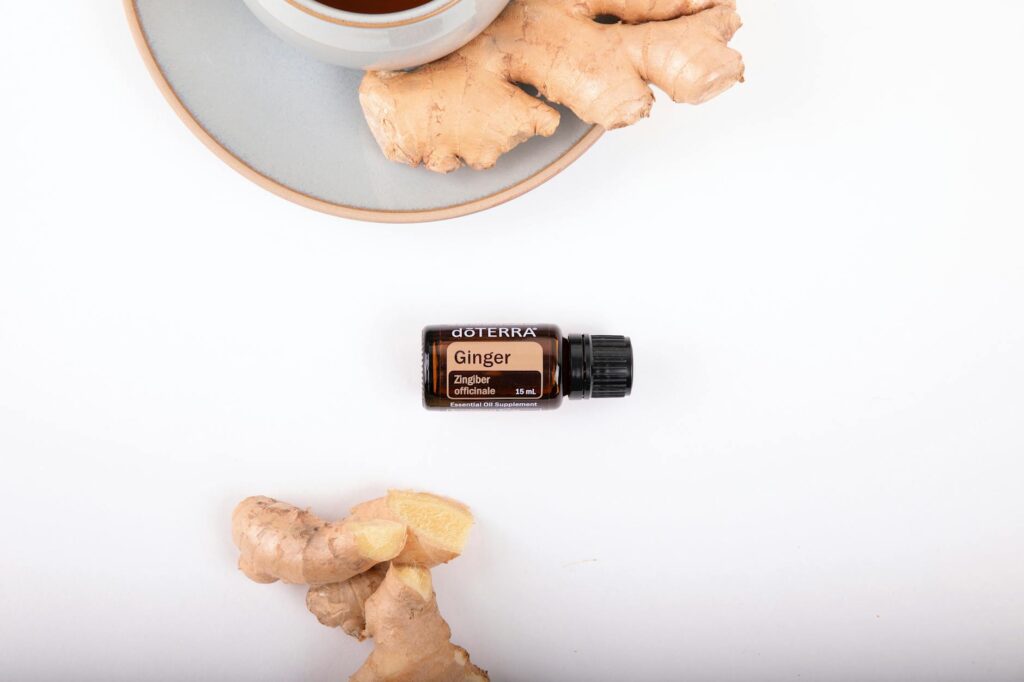
Ginger extract can be found in various forms, including essential oils, tinctures, and powdered supplements. Its versatility allows it to be incorporated into a range of products, from culinary delights to beauty formulations.
Key Benefits and Properties
Ginger extract is celebrated for its numerous benefits, which can be attributed to its rich composition of bioactive compounds. Some of the most notable properties include:
1. Anti-inflammatory: Gingerol, the primary active component, exhibits anti-inflammatory properties that may help alleviate discomfort associated with various conditions.
2. Antioxidant: The extract contains antioxidants that combat oxidative stress, contributing to overall health and wellness.
3. Digestive Aid: Traditionally, ginger has been used to support digestive health, helping to alleviate nausea and promote healthy digestion.
4. Antimicrobial: Ginger extract has shown potential antimicrobial properties, making it useful in inhibiting the growth of certain pathogens.
5. Circulatory Support: The warming quality of ginger may enhance circulation, promoting blood flow throughout the body.
These properties have made ginger extract a popular ingredient in herbal remedies, culinary applications, and beauty products.
Common Uses
Ginger extract is utilized in a variety of ways, reflecting its versatility and broad appeal. Some common uses include:
Culinary Applications
Ginger extract is frequently used in cooking and baking to enhance flavor. It can be found in:
- Sauces and marinades
- Baked goods (like gingerbread and cookies)
- Teas and beverages
- Soups and curries
- Alleviating nausea and motion sickness
- Supporting digestive health
- Enhancing immunity
- Facial creams and serums
- Body scrubs and lotions
- Hair care products
- Mood Enhancement: The stimulating properties of ginger oil can help uplift the mood and combat feelings of fatigue or lethargy.
- Stress Relief: When used in a diffuser, ginger oil may create a calming environment, promoting relaxation and reducing stress.
- Invigorating Massage: When diluted with a carrier oil, ginger essential oil can be used in massage to alleviate muscle tension and enhance circulation.
- Cool, Dark Place: Store ginger extract in a cool, dark environment, away from direct sunlight and heat sources. This helps preserve the integrity of the bioactive compounds.
- Sealed Containers: Ensure that the container is tightly sealed to prevent oxidation and contamination.
- Shelf Life: The shelf life of ginger extract varies depending on its form. Essential oils typically last 1-3 years if stored properly, while tinctures may have a longer shelf life due to their alcohol content.
Herbal Remedies
In traditional medicine, ginger extract has been employed for its therapeutic properties. It is often used in herbal formulations aimed at:
Cosmetic and Personal Care Products
The extract’s antioxidant and anti-inflammatory properties make it a popular ingredient in skincare. It can be found in:
Household Products
Ginger extract is also incorporated into cleaning products and air fresheners for its pleasant aroma and potential antibacterial properties.
Aromatherapy Applications
In aromatherapy, ginger essential oil is valued for its warm, spicy aroma, which can evoke feelings of comfort and warmth. It is often used in diffusers, massage oils, and bath products. Some common applications include:
Safety Considerations
While ginger extract is generally considered safe for most people when used appropriately, there are several important safety considerations to keep in mind:
1. Allergies and Sensitivities: Individuals with known allergies to ginger or related plants should avoid its use.
2. Pregnancy and Breastfeeding: Although ginger is commonly used to alleviate nausea during pregnancy, it’s essential to consult with a healthcare professional before using ginger extract in significant amounts.
3. Interactions with Medications: Ginger may interact with certain medications, including blood thinners and diabetes medications. Consulting a healthcare professional is advised for those taking medications.
4. Skin Sensitivity: When used in topical applications, ginger essential oil should be diluted with a carrier oil to reduce the risk of skin irritation.
5. Dosage: Adhering to recommended dosages is crucial, particularly when using concentrated forms like tinctures or essential oils.
Storage and Shelf Life
Proper storage of ginger extract is essential to maintain its potency and effectiveness. Here are some guidelines:
Frequently Asked Questions
1. What is the difference between ginger extract and ginger essential oil?
Ginger extract is a concentrated form derived from the ginger rhizome, while ginger essential oil is obtained through steam distillation. The essential oil contains the volatile compounds that contribute to its aromatic qualities, whereas the extract may include a broader range of compounds, including non-volatile components.
2. Can ginger extract be ingested?
Yes, ginger extract can be ingested in various forms, such as tinctures, teas, or supplements. However, it is essential to adhere to recommended dosages and consult a healthcare professional if you have any concerns.
3. How can I use ginger essential oil in aromatherapy?
Ginger essential oil can be used in a diffuser, added to massage oils, or incorporated into bath products. Always dilute it with a carrier oil before applying it topically.
4. Is ginger extract safe for children?
While ginger is generally safe for children, it is advisable to consult a healthcare professional before giving ginger extract to children, particularly in concentrated forms.
5. Where can I purchase ginger extract?
Ginger extract is widely available at health food stores, online retailers, and specialty spice shops. When purchasing, look for high-quality products that provide information about sourcing and extraction methods.
Conclusion
Ginger extract boasts a rich history and myriad benefits that have contributed to its enduring popularity across cultures and practices. From its culinary applications to its role in aromatherapy and personal care, ginger extract remains a versatile and valuable addition to both traditional and modern practices. Understanding its origins, benefits, and safe usage can help individuals make informed choices about incorporating this remarkable extract into their lives.