
History and Origins of Hawthorn Berry Oil
Introduction
Hawthorn berry oil, derived from the berries of the hawthorn tree (Crataegus spp.), has a storied history that intertwines with both folk medicine and modern aromatherapy. As a member of the Rosaceae family, hawthorn is native to temperate regions of Europe, North America, and Asia. Its berries, flowers, and leaves have been used for centuries in various cultures for their purported health benefits. This article aims to explore the historical roots of hawthorn berry oil, its properties, common uses, and applications in aromatherapy, as well as safety considerations and storage guidelines.
What Is Hawthorn Berry Oil?
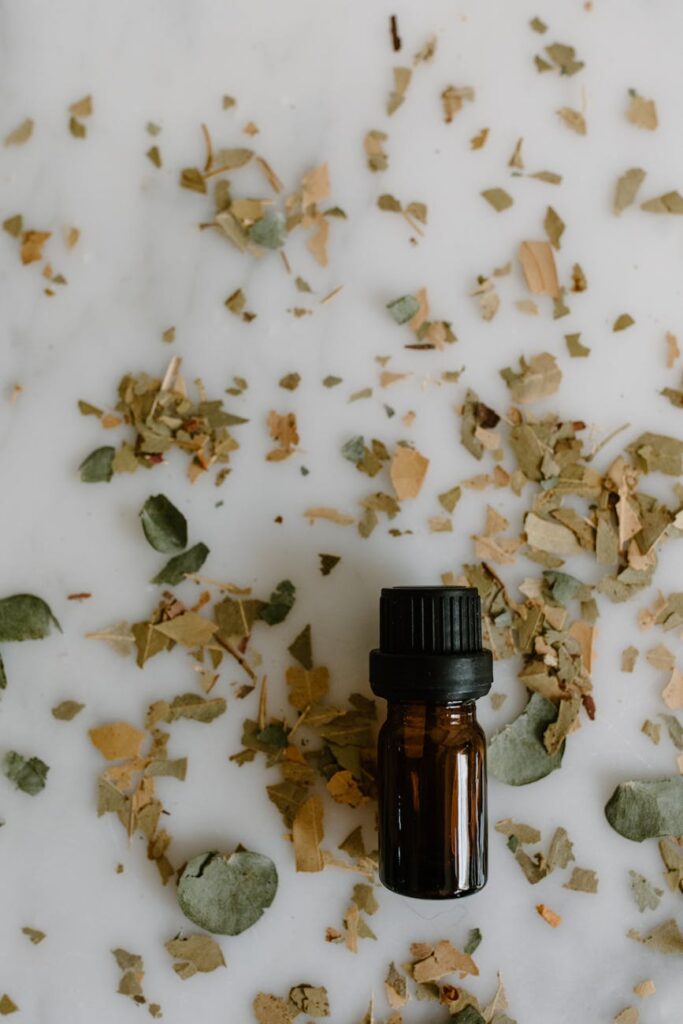
Hawthorn berry oil is an essential oil extracted from the ripe berries of the hawthorn tree. The extraction process typically involves steam distillation or cold pressing. The oil captures the unique aromatic profile of the berries, characterized by a slightly sweet, fruity scent with earthy undertones. Although the essential oil is less common than extracts made from the flowers and leaves, it retains many of the beneficial properties associated with the hawthorn plant.
Historically, hawthorn itself has been revered across various cultures, with its berries often used in herbal tinctures, teas, and supplements. The oil is a more concentrated form of the plant’s beneficial compounds, making it an intriguing option for aromatherapy enthusiasts and natural wellness practitioners.
Key Benefits and Properties
Hawthorn berry oil is celebrated for its numerous beneficial properties. While scientific research is still evolving, the oil is believed to contain several key compounds, including flavonoids, proanthocyanidins, and antioxidants. These compounds contribute to the following potential benefits:
1. Antioxidant Properties: Hawthorn is rich in antioxidants, which may help combat oxidative stress and protect cells from damage caused by free radicals.
2. Cardiovascular Support: Traditionally, hawthorn has been associated with cardiovascular health, particularly in promoting healthy circulation and supporting heart function.
3. Anti-Inflammatory Effects: Some studies suggest that the oil may possess anti-inflammatory properties, which could be beneficial for soothing skin irritations and promoting overall wellness.
4. Calming Effects: The oil is often used in aromatherapy for its calming and soothing effects, which may help alleviate stress and promote relaxation.
Common Uses
Hawthorn berry oil is versatile and can be used in various applications, including:
1. Aromatherapy: The oil can be diffused in rooms to create a calming atmosphere, promoting relaxation and mental clarity.
2. Skincare: Due to its potential anti-inflammatory and antioxidant properties, hawthorn berry oil can be added to skincare products or diluted with a carrier oil for topical application.
3. Massage: Combined with carrier oils, it can be used in massages to help soothe muscle tension and promote relaxation.
4. Bath Products: The oil can be incorporated into bath products to enhance the bathing experience with its soothing aroma.
5. Household Products: Hawthorn berry oil can be added to natural cleaning products for its pleasant scent and potential antimicrobial properties.
Aromatherapy Applications
In aromatherapy, hawthorn berry oil is valued for its emotional and psychological benefits. The oil’s calming aroma is thought to help relieve stress, anxiety, and emotional tension. It can be used in various ways:
1. Diffusion: Adding a few drops of hawthorn berry oil to a diffuser can create a peaceful environment, ideal for meditation or relaxation.
2. Inhalation: Inhaling the aroma directly from the bottle or adding a few drops to a handkerchief can provide immediate calming effects.
3. Blending: Hawthorn berry oil blends well with other essential oils such as lavender, chamomile, and bergamot, enhancing its soothing qualities.
4. Topical Application: When diluted with a carrier oil, it can be applied to pulse points or used in massage to promote relaxation and relieve tension.
Safety Considerations
While hawthorn berry oil is generally considered safe for topical use when diluted, it is essential to keep several safety considerations in mind:
1. Dilution: Essential oils are highly concentrated and should always be diluted with a carrier oil before topical application to avoid skin irritation.
2. Patch Test: Conduct a patch test before using the oil more broadly. Apply a small amount of diluted oil to a small area of skin and wait 24 hours to check for any adverse reactions.
3. Pregnancy and Nursing: Pregnant or nursing individuals should consult a healthcare professional before using hawthorn berry oil.
4. Allergies: Individuals with allergies to plants in the Rosaceae family, such as roses or apples, should exercise caution when using hawthorn berry oil.
5. Medical Conditions: Those with existing health conditions, particularly related to the cardiovascular system, should consult a healthcare provider before using the oil.
Storage and Shelf Life
To maintain the quality and efficacy of hawthorn berry oil, proper storage is crucial. Follow these guidelines for optimal storage:
1. Cool, Dark Place: Store the oil in a cool, dark place away from direct sunlight and heat, which can degrade the oil’s quality.
2. Airtight Containers: Keep the oil in an airtight container, preferably dark glass, to minimize exposure to air and light.
3. Shelf Life: When stored properly, hawthorn berry oil typically has a shelf life of 1-2 years. However, it is advisable to check for any changes in aroma or consistency before use.
Frequently Asked Questions
1. How is hawthorn berry oil extracted?
Hawthorn berry oil is typically extracted through steam distillation or cold pressing, capturing the aromatic compounds of the berries.
2. Can hawthorn berry oil be ingested?
Hawthorn berry oil is primarily used for topical and aromatic applications. Ingesting essential oils should only be done under the guidance of a healthcare professional.
3. What carrier oils can be used with hawthorn berry oil?
Common carrier oils include sweet almond oil, jojoba oil, coconut oil, and grapeseed oil. Choose a carrier oil based on your skin type and personal preference.
4. Is hawthorn berry oil suitable for children?
Due to the concentrated nature of essential oils, it is advisable to consult a healthcare professional before using hawthorn berry oil on children.
5. Where can I purchase hawthorn berry oil?
Hawthorn berry oil can be found at specialty health stores, online retailers, and shops that focus on essential oils and aromatherapy products. Ensure you select a reputable source for high-quality oil.
Conclusion
Hawthorn berry oil, with its rich history and diverse applications, serves as a valuable addition to the world of aromatherapy and natural wellness. Its calming properties, combined with its potential antioxidant and anti-inflammatory benefits, make it a versatile oil for both emotional and physical well-being. As interest in essential oils continues to grow, understanding the origins, uses, and safety considerations of hawthorn berry oil can enhance your experience and enjoyment of this remarkable botanical treasure.