
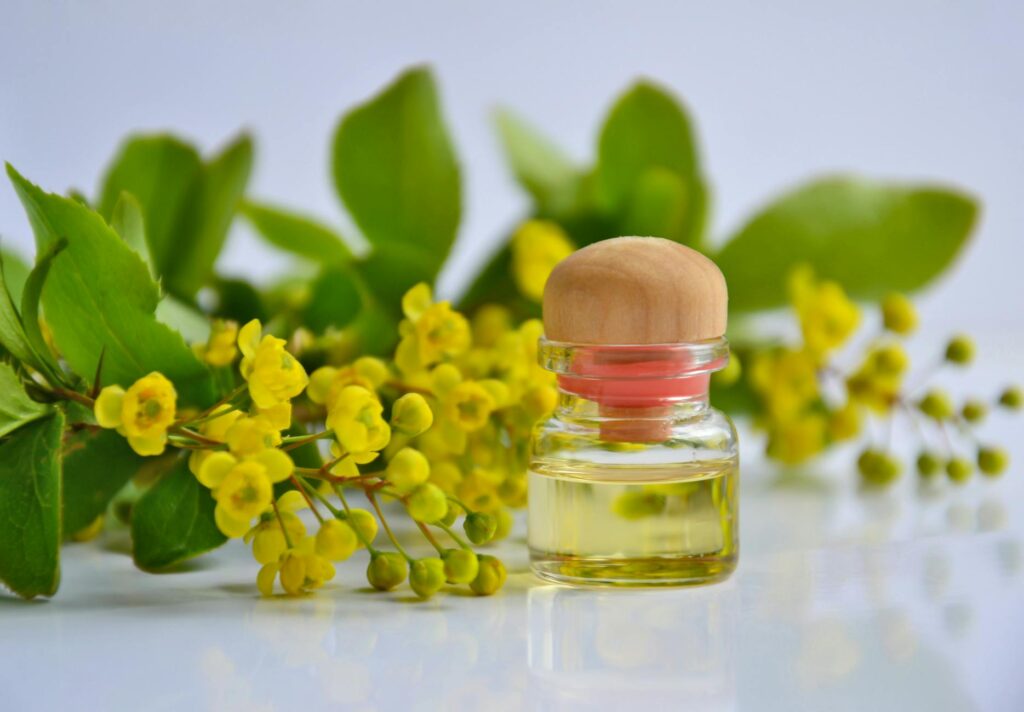
History and Origins of Hawthorn Extract
Introduction
Hawthorn, belonging to the genus Crataegus, is a flowering plant that has captured the interest of herbalists, botanists, and those seeking natural remedies for centuries. Its striking clusters of small white or pink flowers, along with vibrant red berries, make it a visually appealing addition to gardens and landscapes. The use of hawthorn extract can be traced back to ancient cultures, where it was revered not only for its aesthetic qualities but also for its various health-promoting properties. This article delves into the historical background, benefits, and applications of hawthorn extract, providing a comprehensive overview of this remarkable botanical resource.
What Is Hawthorn Extract?
Hawthorn extract is derived from the leaves, flowers, and berries of the hawthorn tree, primarily from the species Crataegus monogyna and Crataegus laevigata. The extraction process typically involves the use of solvents such as water or alcohol to obtain the beneficial compounds found in the plant. Rich in flavonoids, tannins, and other phytochemicals, hawthorn extract is known for its potential to support cardiovascular health, among other benefits.
Historically, hawthorn has been associated with various cultures, often symbolizing love and protection. Today, it is commonly utilized in dietary supplements, herbal remedies, and aromatherapy applications.
Key Benefits and Properties
Hawthorn extract is renowned for its multifaceted properties, which include:
- Antioxidant Activity: The extract is rich in antioxidants, particularly flavonoids, which help combat oxidative stress and may contribute to overall cellular health.
- Cardiovascular Support: Traditional uses of hawthorn have often focused on its potential benefits for heart health. It is thought to support blood circulation and help maintain healthy blood pressure levels.
- Anti-inflammatory Effects: Some studies suggest that hawthorn extract may possess anti-inflammatory properties, which can be beneficial for various health conditions.
- Digestive Health: Hawthorn has also been traditionally used to assist with digestion, thanks to its mild astringent properties.
- Tinctures: Concentrated liquid extracts that can be taken directly or diluted in water.
- Capsules and Tablets: Convenient for those who prefer standardized doses of hawthorn.
- Teas: Made from dried hawthorn leaves, flowers, or berries, offering a soothing beverage with potential benefits.
- Topical Applications: Some formulations may include hawthorn for its antioxidant properties in skincare products.
- Diffusion: When combined with other essential oils, hawthorn extract can be diffused to create a calming atmosphere, enhancing feelings of tranquility and emotional balance.
- Massage Oils: Incorporating hawthorn extract into massage oils or blends may support relaxation, making it a suitable addition to holistic therapies.
- Bath Products: Hawthorn-infused bath oils or salts can provide a soothing experience when added to bathwater, promoting relaxation and self-care.
- Dosage: It is essential to follow recommended dosages when using hawthorn extract, whether in tinctures, capsules, or teas. Overconsumption may lead to adverse effects.
- Pregnancy and Nursing: Pregnant or nursing individuals should consult a healthcare professional before using hawthorn extract, as research on its safety during these periods is limited.
- Drug Interactions: Hawthorn may interact with certain medications, particularly those related to cardiovascular health. Individuals taking such medications should consult a healthcare provider before incorporating hawthorn extract into their regimen.
- Allergic Reactions: Some individuals may be allergic to hawthorn or related plants. Discontinuation of use is advised if any allergic reactions occur.
- Cool, Dark Place: Store hawthorn extract in a cool, dark environment, away from direct sunlight and heat sources. Excessive heat and light can degrade the extract and diminish its beneficial properties.
- Tightly Sealed Containers: Keep hawthorn extract in tightly sealed containers to prevent exposure to air, which can lead to oxidation and spoilage.
- Check Expiry Dates: Like all herbal products, hawthorn extract has a shelf life. Regularly check the expiry date and dispose of any expired products.
While research continues to explore these benefits, it is important to note that the scientific community is still investigating the full extent of hawthorn’s potential effects.
Common Uses
Hawthorn extract is used in various forms, including:
Hawthorn is often included in blends with other herbs and botanicals to create synergistic effects, particularly in formulations aimed at cardiovascular support.
Aromatherapy Applications
In the realm of aromatherapy, hawthorn is less commonly used as an essential oil compared to other botanicals. However, its extract can still play a role in promoting emotional well-being. The aroma of hawthorn is subtle yet delightful, often described as floral and slightly fruity.
In aromatherapy, hawthorn extract can be utilized in various ways:
While not as prevalent as other essential oils, hawthorn’s unique properties can complement a holistic approach to emotional and physical wellness.
Safety Considerations
Safety is a crucial aspect of using hawthorn extract, especially when considering its various applications. While hawthorn is generally regarded as safe for most individuals, there are several important considerations:
As with any botanical extract, it is best to exercise caution and consult a qualified healthcare professional when in doubt about its use.
Storage and Shelf Life
Proper storage of hawthorn extract is vital to maintaining its efficacy and potency. Here are some key storage guidelines:
When stored correctly, hawthorn extract can maintain its properties for several years, making it a valuable addition to herbal collections.
Frequently Asked Questions
1. How do I use hawthorn extract safely?
Always follow the recommended dosage on the product label or consult with a healthcare professional for guidance tailored to your individual needs.
2. Can I use hawthorn extract if I am pregnant?
It is advisable to consult a healthcare professional before using hawthorn extract during pregnancy or while nursing.
3. What is the best way to take hawthorn extract?
Hawthorn extract can be taken in various forms such as tinctures, capsules, or teas, depending on personal preference and the desired effect.
4. Is hawthorn extract suitable for children?
Due to the lack of extensive research on its effects in children, it is best to consult a healthcare professional before giving hawthorn extract to minors.
5. Where can I buy hawthorn extract?
Hawthorn extract is widely available in health food stores, herbal shops, and online retailers. Always purchase from reputable sources to ensure quality and safety.
Conclusion
The historical significance of hawthorn extract, coupled with its multifunctional properties, makes it an intriguing subject for those interested in herbal medicine and aromatherapy. With a rich heritage rooted in ancient traditions, hawthorn continues to be valued for its potential benefits. As research evolves, understanding and utilizing this remarkable extract can contribute to a holistic approach to wellness, emphasizing the importance of respecting safety guidelines and consulting professionals when needed. Whether used in supplements, herbal remedies, or aromatherapy, hawthorn extract remains a testament to the enduring relationship between humans and the natural world.