
History and Origins of Helichrysum Oil Safety
Introduction
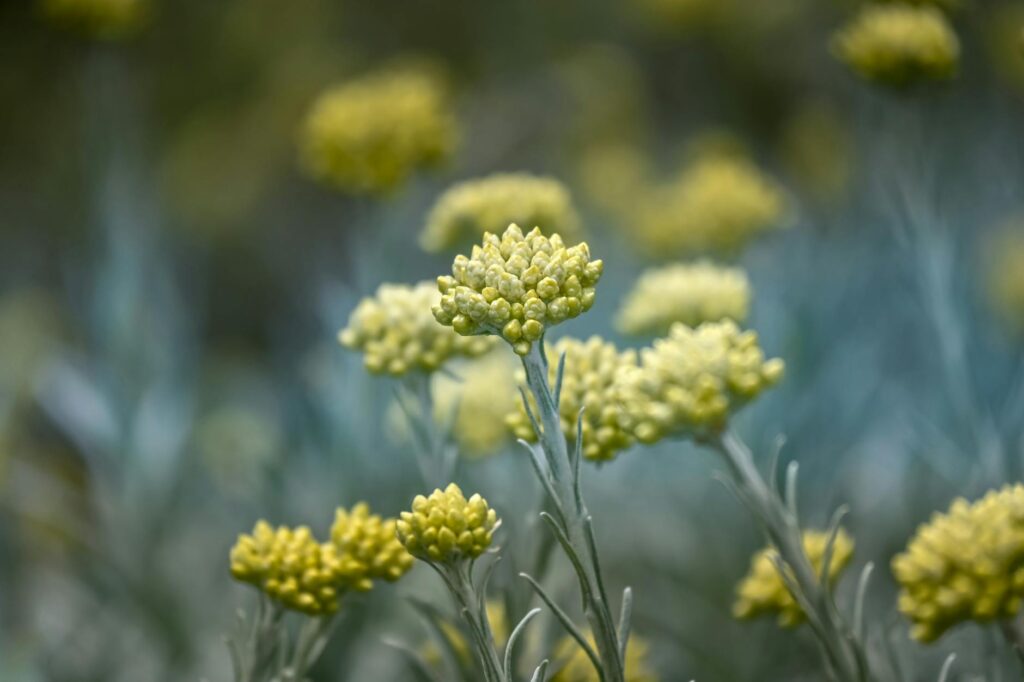
Helichrysum oil, derived from the Helichrysum italicum plant, has gained significant attention in the realm of essential oils and aromatherapy. Known for its distinct aroma and therapeutic properties, this oil has a rich history intertwined with cultural practices and traditional medicine. Understanding the safety of Helichrysum oil is crucial for its effective and responsible use. This article aims to explore the historical context, safety considerations, and applications of Helichrysum oil, providing a comprehensive overview for enthusiasts and practitioners alike.
What Is Helichrysum Oil Safety?
Helichrysum oil safety refers to the practices and guidelines that ensure the safe use of the essential oil derived from the Helichrysum italicum plant. This includes understanding the oil’s chemical composition, potential side effects, and appropriate usage. As with any essential oil, Helichrysum oil should be used with caution, particularly when considering its application in aromatherapy, topical use, and ingestion.
Key Benefits and Properties
Helichrysum oil is celebrated for its unique chemical profile, which includes a range of beneficial compounds such as neryl acetate, italidione, and flavonoids. These chemical constituents contribute to the oil’s anti-inflammatory, antioxidant, and antimicrobial properties. Historically, Helichrysum oil has been used in various cultures for its healing abilities, particularly in Mediterranean regions.
Therapeutic Properties
1. Anti-Inflammatory: Helichrysum oil is often recognized for its potential to alleviate inflammation, making it a popular choice in skin care formulations.
2. Antioxidant: The oil is rich in antioxidants, which help combat oxidative stress in the body.
3. Wound Healing: Traditional uses of Helichrysum oil include applications for skin injuries, cuts, and bruises, attributed to its regenerative properties.
4. Emotional Balance: In aromatherapy, Helichrysum oil is frequently used for its calming and grounding effects, promoting emotional well-being.
Common Uses
Helichrysum oil is versatile and can be utilized in various contexts, including:
- Topical Applications: Often diluted in carrier oils for skin care, Helichrysum oil is used to reduce the appearance of scars and enhance skin health.
- Aromatherapy: The oil can be diffused or inhaled to promote relaxation and emotional stability.
- Massage: Due to its soothing properties, it is frequently included in massage oils for its calming effects.
- Household Products: Helichrysum oil may also be incorporated into natural cleaning products for its antimicrobial properties.
- Cool, Dark Place: Store the oil in a cool, dark environment away from direct sunlight to prevent degradation.
- Tightly Sealed Container: Use a dark glass bottle with a secure lid to minimize exposure to air and light.
Aromatherapy Applications
In the field of aromatherapy, Helichrysum oil is valued for its uplifting scent and therapeutic potential. It can be diffused in a room to encourage a serene atmosphere or blended with other essential oils to create customized therapeutic blends. Commonly paired oils include lavender, frankincense, and bergamot, which enhance its calming effects.
Methods of Use in Aromatherapy
1. Diffusion: Adding a few drops of Helichrysum oil to a diffuser can purify the air and promote emotional balance.
2. Inhalation: Direct inhalation from the bottle or a cotton ball allows for quick absorption of its aromatic compounds.
3. Topical Blends: When blended with carrier oils, Helichrysum oil can be applied to pulse points for its soothing effects.
Safety Considerations
While Helichrysum oil is generally regarded as safe for use, certain precautions should be observed to ensure a positive experience.
Dilution
Essential oils, including Helichrysum, should always be diluted in a carrier oil before topical application to minimize the risk of skin irritation. A common dilution ratio is 2-3 drops of essential oil per teaspoon of carrier oil.
Allergic Reactions
Individuals with known allergies to plants in the Asteraceae family should exercise caution, as they may be more susceptible to adverse reactions. A patch test is recommended prior to widespread use.
Pregnancy and Nursing
While Helichrysum oil is often considered safe, pregnant and nursing individuals should consult with a healthcare provider before use, as a precautionary measure.
Ingestion
Ingesting essential oils can pose risks and is generally not advised without professional guidance. Helichrysum oil should be used topically or aromatically rather than ingested.
Storage and Shelf Life
Proper storage of Helichrysum oil is essential for maintaining its integrity and potency.
Storage Guidelines
Shelf Life
The shelf life of Helichrysum oil can vary, but it typically lasts for 2-3 years when stored properly. Regularly check for changes in aroma, color, or consistency, which may indicate spoilage.
Frequently Asked Questions
1. What is Helichrysum oil used for?
Helichrysum oil is used for a variety of purposes, including skin care, emotional support in aromatherapy, and as an ingredient in massage oils.
2. Is Helichrysum oil safe for children?
While Helichrysum oil is generally safe, it is advisable to consult with a pediatric healthcare provider before using it on children, particularly infants and toddlers.
3. Can Helichrysum oil help with acne?
Due to its anti-inflammatory and antimicrobial properties, Helichrysum oil is often included in formulations targeting acne-prone skin. However, individual results may vary.
4. How can I incorporate Helichrysum oil into my skincare routine?
You can add a few drops to your moisturizer or carrier oil for topical application, or use it in DIY skincare formulations.
5. Is Helichrysum oil suitable for sensitive skin?
While many individuals find Helichrysum oil beneficial, those with sensitive skin should perform a patch test before applying it more broadly.
Conclusion
Helichrysum oil boasts a fascinating history and a broad range of applications in aromatherapy and skincare. Understanding its safety considerations is crucial for maximizing its benefits while minimizing risks. By adhering to recommended guidelines for use, individuals can safely enjoy the aromatic and therapeutic properties of Helichrysum oil, enriching their wellness practices and enhancing their overall quality of life.