
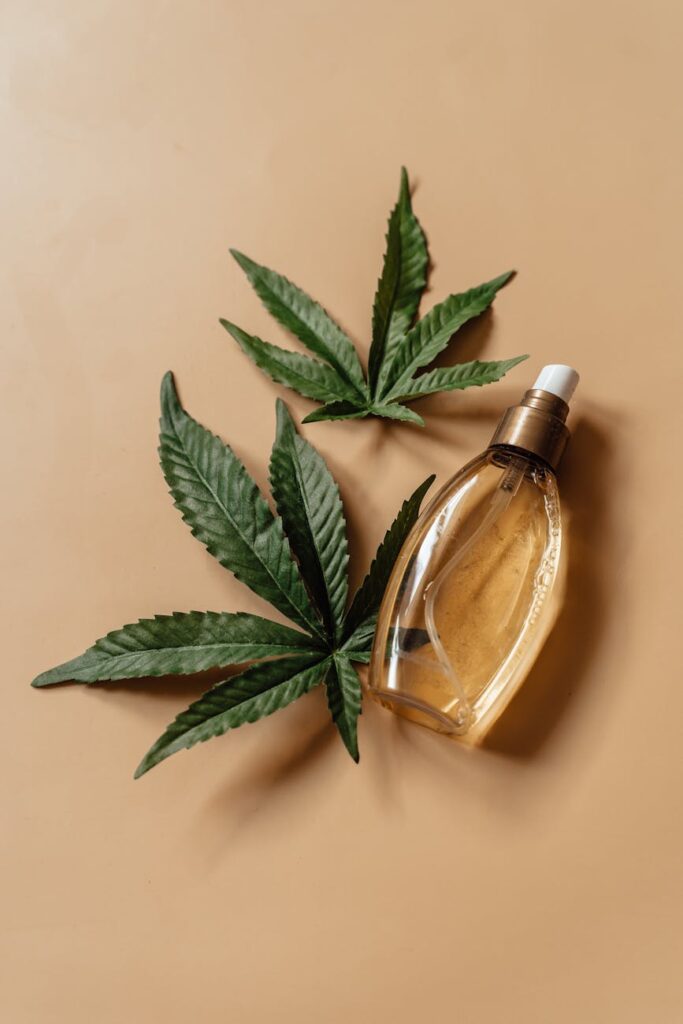
History and Origins of Hemp Oil
Introduction
Hemp oil, derived from the seeds of the hemp plant (Cannabis sativa), has a rich history that spans thousands of years. Known for its diverse applications, ranging from culinary uses to skincare, hemp oil has garnered attention not only for its versatility but also for its potential health benefits. This article aims to explore the history and origins of hemp oil, examining its uses and properties in a comprehensive manner.
What Is Hemp Oil?
Hemp oil is extracted from the seeds of the hemp plant, which is a variety of the Cannabis sativa species. It is important to differentiate hemp oil from other cannabis-derived oils, such as CBD oil, which is extracted from the flowers and leaves of the plant and contains higher concentrations of cannabinoids. Hemp oil is typically cold-pressed to preserve its nutritional profile, resulting in an oil that is rich in essential fatty acids, vitamins, and minerals.
Key Benefits and Properties
Hemp oil is celebrated for its unique composition:
1. Nutritional Profile: Hemp oil is rich in omega-3 and omega-6 fatty acids, which are essential for human health. These fatty acids play a vital role in heart health, brain function, and inflammation reduction.
2. Vitamins and Minerals: The oil contains various vitamins, including vitamin E, which acts as an antioxidant. It also provides important minerals such as magnesium, potassium, and calcium.
3. Anti-Inflammatory Properties: Some studies suggest that the fatty acids in hemp oil may help reduce inflammation, potentially benefiting conditions such as arthritis and skin irritations.
4. Moisturizing Effects: When used topically, hemp oil can moisturize and nourish the skin without clogging pores, making it suitable for various skin types.
Common Uses
Hemp oil has a wide range of applications:
- Culinary Uses: Hemp oil is often used in salad dressings, smoothies, and as a finishing oil due to its nutty flavor. It is not suitable for high-heat cooking as it has a low smoke point.
- Cosmetics and Skincare: The moisturizing properties of hemp oil make it a popular ingredient in creams, lotions, and soaps. It can help soothe dry skin and improve skin elasticity.
- Industrial Applications: Beyond personal care, hemp oil is utilized in the production of paints, lubricants, and biodiesel due to its sustainable and biodegradable nature.
- Allergic Reactions: While hemp oil is generally well-tolerated, some individuals may experience allergic reactions. A patch test is recommended before applying it to larger skin areas.
- Quality of the Oil: Always opt for high-quality, cold-pressed hemp oil from reputable sources to ensure the best nutritional profile and avoid contaminants.
- Pregnancy and Breastfeeding: Pregnant or breastfeeding individuals should consult with a healthcare professional before using hemp oil, particularly in concentrated forms.
- Cool, Dark Place: Hemp oil should be stored in a cool, dark place to prevent oxidation. Exposure to light and heat can degrade the oil, leading to rancidity.
- Sealed Containers: It is best to keep hemp oil in a tightly sealed container to minimize exposure to air.
- Shelf Life: Typically, hemp oil has a shelf life of about 6-12 months when stored correctly. Always check for any off smells, which can indicate spoilage.
Aromatherapy Applications
While hemp oil is not an essential oil, it can play a vital role in aromatherapy when blended with essential oils. Its carrier properties allow it to dilute essential oils, making them safe for topical application. Hemp oil’s calming and grounding scent can enhance the overall experience of aromatherapy, promoting relaxation and balance.
In aromatherapy, it is often used in conjunction with oils such as lavender, chamomile, and frankincense to create soothing blends. These combinations can be applied during massages, added to bathwater, or used in diffusers to promote a tranquil environment.
Safety Considerations
When using hemp oil, consider the following safety measures:
Storage and Shelf Life
Proper storage of hemp oil is crucial for maintaining its freshness and efficacy. Here are some storage tips:
Frequently Asked Questions
1. Is hemp oil the same as CBD oil?
No, hemp oil is derived from the seeds of the hemp plant and does not contain significant levels of cannabinoids like CBD. CBD oil is extracted from the flowers and leaves and may contain higher concentrations of active compounds.
2. Can hemp oil be used for cooking?
Yes, hemp oil can be used in cooking, particularly in salad dressings and as a finishing oil. However, it is not recommended for high-heat cooking due to its low smoke point.
3. Is hemp oil safe for all skin types?
Hemp oil is generally suitable for most skin types, including sensitive skin. However, it is always advisable to perform a patch test first to check for any allergic reactions.
4. Can hemp oil help with hair care?
Yes, hemp oil can be beneficial for hair care. It can moisturize the scalp, reduce dryness, and improve the overall appearance of hair. It is often used in hair products for nourishment.
5. Where can I purchase hemp oil?
Hemp oil is widely available in health food stores, specialty shops, and online. Always choose products labeled as cold-pressed and organic for the best quality.
Conclusion
Hemp oil’s rich history and diverse applications highlight its significance in various fields, from nutrition to skincare and beyond. As interest in natural products continues to grow, hemp oil remains at the forefront, offering numerous benefits without the psychoactive effects associated with other cannabis derivatives. Understanding its origins, properties, and uses can help individuals appreciate this versatile oil and integrate it into their daily lives in a safe and informed manner.