
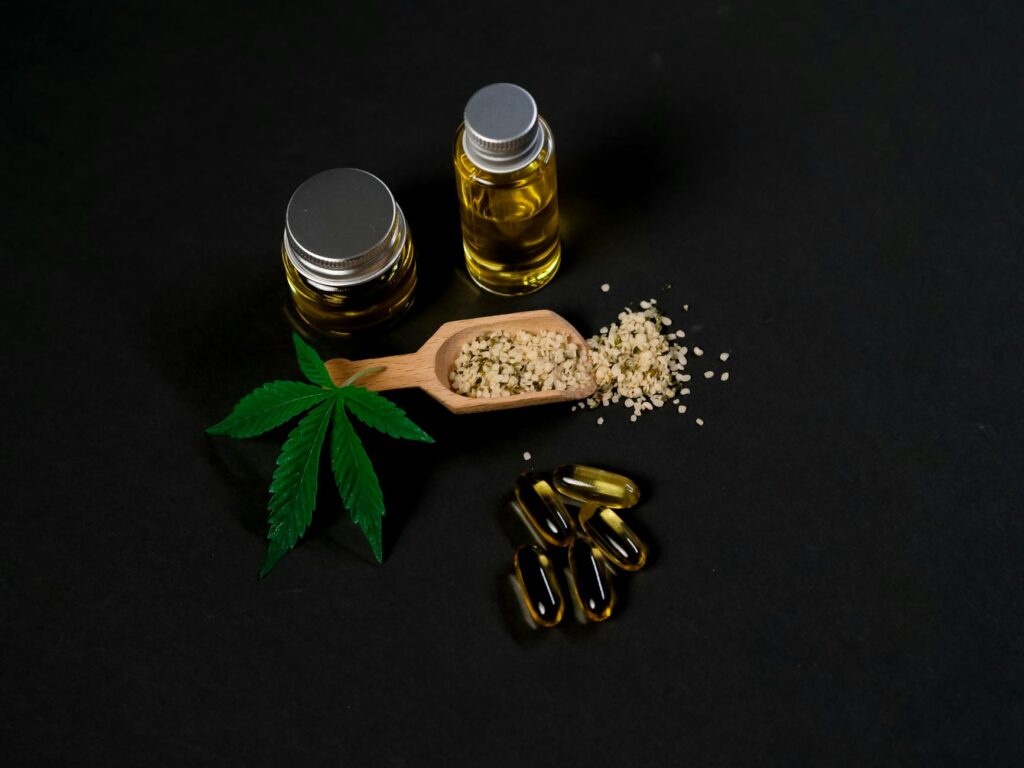
History and Origins of Hemp Seed Oil
Introduction
Hemp seed oil, derived from the seeds of the Cannabis sativa plant, has a rich history that spans thousands of years. Known for its diverse applications and nutritional benefits, hemp seed oil has been a staple in various cultures, serving as a source of food, medicine, and even industrial materials. This article delves into the historical context, properties, and uses of hemp seed oil, shedding light on its importance throughout the ages.
What Is Hemp Seed Oil?
Hemp seed oil is obtained by cold-pressing the seeds of the hemp plant. Unlike its more controversial cousin, marijuana, hemp contains only trace amounts of tetrahydrocannabinol (THC), the psychoactive component responsible for the “high” associated with cannabis. Hemp seed oil is primarily composed of fatty acids, proteins, and essential nutrients, making it an attractive option for both culinary and cosmetic applications.
The oil is characterized by its light green color and nutty flavor, making it a versatile ingredient in various recipes. It can be consumed on its own, used in dressings, or incorporated into smoothies and baked goods.
Key Benefits and Properties
Hemp seed oil is valued for its unique composition, which includes a variety of nutrients:
1. Fatty Acids: Hemp seed oil is rich in omega-3 and omega-6 fatty acids, which are essential for maintaining overall health. The ideal ratio of these fatty acids in hemp oil is approximately 3:1, promoting anti-inflammatory effects and supporting heart health.
2. Vitamins and Minerals: This oil is a source of vitamins A, C, and E, as well as minerals like magnesium, potassium, and iron. These nutrients contribute to overall well-being and skin health.
3. Protein Content: Hemp seeds are an excellent source of plant-based protein, containing all nine essential amino acids. This makes hemp seed oil a valuable option for vegetarians and vegans.
4. Antioxidant Properties: The presence of tocopherols and phytosterols in hemp seed oil provides antioxidant benefits, helping to neutralize free radicals and reduce oxidative stress.
5. Moisturizing Properties: The oil is known for its emollient properties, making it an effective moisturizer for the skin.
Common Uses
Hemp seed oil has a wide range of applications:
Culinary Uses
In culinary contexts, hemp seed oil is celebrated for its nutritional value. It can be used in various ways:
- Salad Dressings: Its nutty flavor makes it an excellent choice for dressings and marinades.
- Cooking: While it has a low smoke point, it can be used in low-heat cooking or drizzled over finished dishes.
- Smoothies and Baked Goods: Hemp seed oil can enrich smoothies, providing a creamy texture and enhancing the nutritional profile of baked goods.
- Moisturizers and Creams: Its ability to hydrate the skin without clogging pores makes it suitable for various skin types.
- Hair Care: Many hair care products incorporate hemp seed oil to promote shine and manageability.
- Soaps and Body Washes: Its emollient properties allow for gentle cleansing while keeping the skin moisturized.
- Biodegradable Plastics: Hemp oil can be used in the production of eco-friendly plastics.
- Lubricants: Its natural properties make it suitable for use in lubricants and coatings.
- Biofuels: Hemp oil can be processed into biodiesel, contributing to sustainable energy sources.
- Lavender: Known for its calming properties, lavender essential oil can be blended with hemp seed oil for a soothing massage oil.
- Peppermint: When mixed with hemp seed oil, peppermint essential oil can create a refreshing topical application for muscle relief.
- Tea Tree: For those seeking natural skincare solutions, blending tea tree oil with hemp seed oil can enhance the oil’s antibacterial properties.
- Allergies: Individuals with allergies to hemp or related plants should exercise caution when using hemp seed oil.
- Skin Sensitivity: Conduct a patch test before using hemp seed oil topically, especially for those with sensitive skin.
- Interactions with Medications: While hemp seed oil is not known to interact negatively with medications, those on medication should consult a healthcare professional for personalized advice.
Personal Care Products
Hemp seed oil’s moisturizing and nourishing properties make it a popular ingredient in skincare products:
Industrial Applications
Beyond culinary and cosmetic uses, hemp seed oil is also utilized in various industrial applications:
Aromatherapy Applications
While hemp seed oil is primarily known for its nutritional and cosmetic benefits, it also finds a place in aromatherapy. Although it does not possess the aromatic qualities of essential oils, it serves as an effective carrier oil. In aromatherapy, carrier oils are used to dilute essential oils before application to the skin. Hemp seed oil’s light texture and moisturizing properties make it an excellent base for blending with essential oils.
Common essential oils that can be combined with hemp seed oil include:
Safety Considerations
Hemp seed oil is generally considered safe for most individuals. However, there are a few safety considerations to keep in mind:
Storage and Shelf Life
To maintain the quality of hemp seed oil, proper storage is essential. The oil should be kept in a cool, dark place, away from direct sunlight and heat. A refrigerator is an ideal storage location. When stored correctly, hemp seed oil can last for approximately six months to one year. Always check for signs of rancidity, such as an off smell or taste, before use.
Frequently Asked Questions
Is hemp seed oil the same as CBD oil?
No, hemp seed oil is extracted from the seeds of the hemp plant and contains negligible amounts of THC and CBD. In contrast, CBD oil is derived from the flowers, leaves, and stalks of the hemp plant, containing a higher concentration of cannabidiol (CBD).
Can hemp seed oil get you high?
No, hemp seed oil contains only trace amounts of THC, which is not enough to produce any psychoactive effects.
How can I use hemp seed oil for skin care?
Hemp seed oil can be applied directly to the skin as a moisturizer, incorporated into skincare formulations, or used as a carrier oil for essential oils in massage blends.
Is hemp seed oil safe for cooking?
Yes, hemp seed oil can be used in cooking, but it is best suited for low-heat applications due to its low smoke point. It is ideal for salad dressings and drizzling over finished dishes.
Can I use hemp seed oil in my hair?
Yes, hemp seed oil can be used in hair care products or applied directly to the hair as a serum. It can help enhance shine, reduce frizz, and nourish the hair.
Conclusion
The history and origins of hemp seed oil highlight its versatility and significance across different cultures and applications. From its nutritional benefits to its use in cosmetics and industrial applications, hemp seed oil continues to be a valuable resource in the modern world. As interest in sustainable and natural products grows, hemp seed oil is likely to maintain its relevance in various sectors, contributing to health, wellness, and environmental sustainability.