
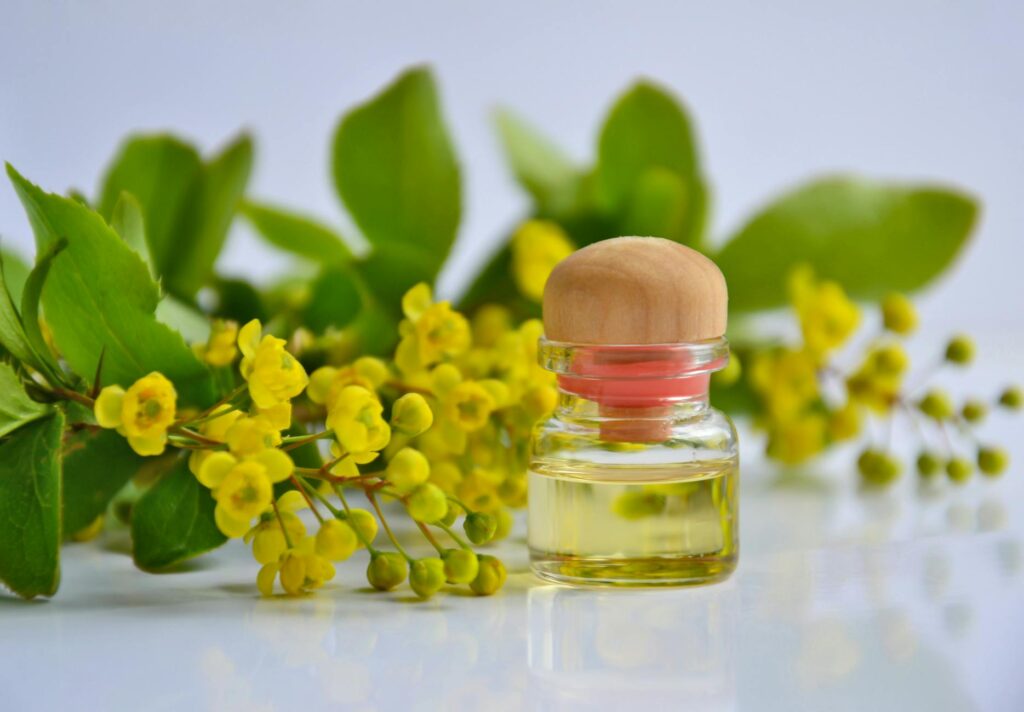
History and Origins of Herbaceous Hydrosols
Introduction
Herbaceous hydrosols, often referred to as floral waters or herbal distillates, have a rich history intertwined with the practices of distillation and herbal medicine. These aromatic waters, produced as byproducts of essential oil extraction, have been utilized for centuries across various cultures. This article will explore the origins, properties, uses, and safety considerations of herbaceous hydrosols, providing a comprehensive understanding of these gentle yet potent botanical extracts.
What Is Herbaceous Hydrosols?
Herbaceous hydrosols are aqueous solutions that capture the essence of aromatic plants. During the steam distillation process used to extract essential oils, steam passes through plant materials, extracting volatile compounds. When the steam cools and condenses, two products are formed: essential oils and hydrosols. While essential oils are concentrated and potent, hydrosols contain water-soluble components of the plant, making them milder and suitable for a variety of applications.
Hydrosols are typically composed of a variety of compounds, including phenolic acids, flavonoids, and other water-soluble phytochemicals. The resulting product retains the aroma and therapeutic properties of the plant material, albeit in a diluted form, making it safer for topical applications and ingestion.
Key Benefits and Properties
Herbaceous hydrosols boast several benefits that make them appealing for both aromatherapy and everyday use. Here are some key properties:
1. Mildness: Hydrosols are significantly less concentrated than essential oils, making them suitable for sensitive skin and safe for children.
2. Versatility: They can be used in various ways, including as facial toners, body sprays, room fresheners, and culinary ingredients.
3. Aroma: The fragrant qualities of hydrosols can uplift mood and create a calming environment, making them popular in aromatherapy.
4. Therapeutic Effects: Many hydrosols possess anti-inflammatory, antimicrobial, and soothing properties, derived from their plant sources.
5. Hydration: The water content in hydrosols can help hydrate the skin, enhancing its overall appearance and health.
Common Uses
Herbaceous hydrosols serve numerous purposes across different domains:
1. Skincare: They are widely used in cosmetic formulations due to their gentle nature. Common hydrosols like rose and lavender can be applied directly to the skin as toners or soothing agents.
2. Hair Care: Hydrosols can be used as hair rinses or scalp treatments, providing hydration and adding fragrance without the heaviness of essential oils.
3. Culinary Uses: Some hydrosols, such as rose and mint, can be used in culinary applications to flavor desserts, beverages, and dishes.
4. Household Products: Hydrosols can serve as natural air fresheners or cleaning agents, adding pleasant aromas while potentially offering antimicrobial properties.
5. Bathing: Adding hydrosols to bathwater can enhance relaxation and promote a soothing atmosphere.
Aromatherapy Applications
In the realm of aromatherapy, herbaceous hydrosols offer a gentle alternative to essential oils. They can be used in various ways:
1. Room Sprays: Hydrosols can be combined in a spray bottle and used to freshen up living spaces. Lavender and chamomile hydrosols are particularly popular for their calming effects.
2. Meditation: Spraying hydrosols in a meditation space can create a serene atmosphere conducive to relaxation and focus.
3. Facial Mists: Hydrosols like rose or geranium can be spritzed on the face for a quick pick-me-up, providing both hydration and aroma.
4. Diffusion: While less common than essential oils, hydrosols can be added to diffusers to disperse their fragrances in the air.
5. Massage: When diluted appropriately, hydrosols can be used in massage oils, offering a gentle aromatic experience.
Safety Considerations
While herbaceous hydrosols are generally considered safe, some precautions are advisable:
1. Allergies: Individuals should conduct a patch test before widespread use to rule out allergic reactions.
2. Storage: Hydrosols should be stored in dark glass bottles and kept in a cool, dark place to maintain their properties and prevent degradation.
3. Dilution: Although hydrosols are milder than essential oils, it is still advisable to dilute them before using them on sensitive skin areas.
4. Pregnancy and Nursing: While many hydrosols are considered safe, pregnant or nursing individuals should consult with a knowledgeable professional before use.
5. Quality: Ensure that hydrosols are sourced from reputable suppliers to guarantee purity and quality, avoiding products with additives or preservatives.
Storage and Shelf Life
Proper storage is crucial for extending the shelf life of herbaceous hydrosols:
1. Containers: Use dark glass bottles to protect hydrosols from light, which can degrade their quality over time.
2. Temperature: Store hydrosols in a cool environment, ideally below 20°C (68°F), to prevent microbial growth and preserve efficacy.
3. Shelf Life: Most hydrosols have a shelf life of 1 to 3 years, depending on the type and storage conditions. Always check for changes in smell, color, or appearance before use.
4. Refrigeration: For longer shelf life, some hydrosols can be refrigerated, particularly those that are more prone to microbial contamination.
Frequently Asked Questions
1. Can hydrosols be ingested?
While some hydrosols are considered safe for ingestion, it is crucial to consult with a qualified herbalist or healthcare professional before consuming any hydrosol.
2. Are there any hydrosols that should be avoided during pregnancy?
Certain hydrosols, such as basil and sage, may not be recommended during pregnancy. Always consult a knowledgeable professional before use.
3. How do I choose a quality hydrosol?
Look for hydrosols that are sourced from reputable suppliers, preferably organic and free from additives. Checking for proper labeling and certification can also help ensure quality.
4. Can I use hydrosols in cooking?
Yes, many hydrosols, like rose and mint, can be used in cooking to add unique flavors. However, always check that the hydrosol is food-grade.
5. How can I incorporate hydrosols into my daily routine?
Hydrosols can be used in various ways, such as facial mists, room sprays, and bath additives. Experimenting with different applications can help you find the most enjoyable and beneficial uses.
Conclusion
Herbaceous hydrosols represent a fascinating intersection of history, botany, and wellness. Their gentle nature and versatile applications make them valuable additions to both personal care and household routines. By understanding their origins, properties, and best practices, users can fully appreciate the benefits of these aromatic waters, enriching their lives with the essence of nature. Whether used for skincare, culinary delights, or aromatic experiences, hydrosols continue to be cherished for their simplicity and efficacy, bridging the gap between ancient traditions and modern practices.