
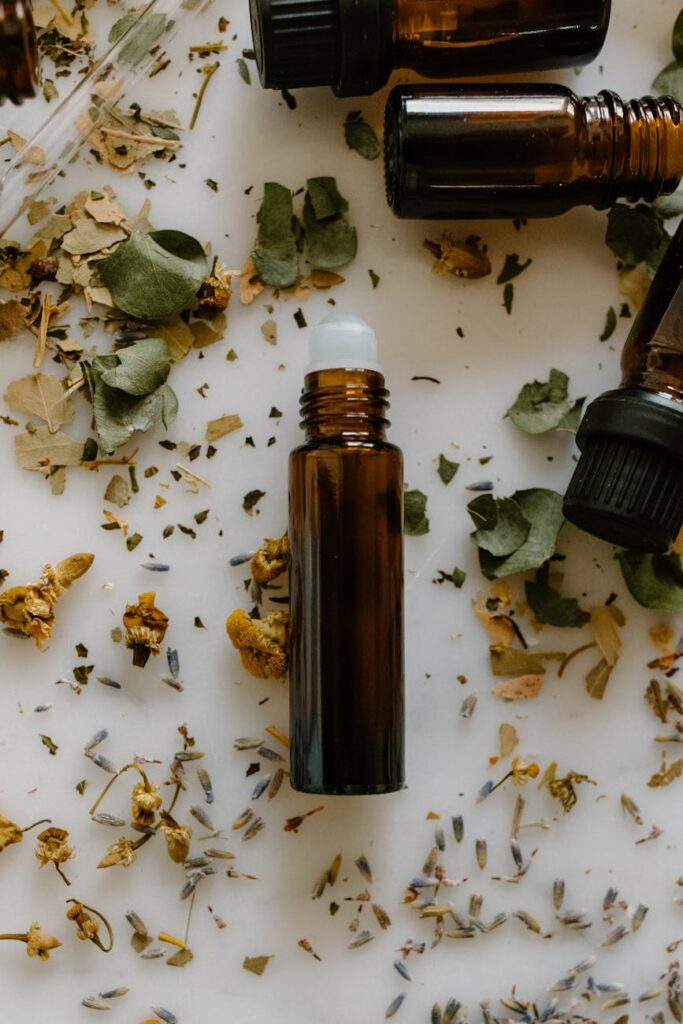
History and Origins of Herbal Anti-Inflammatory Essential Oil Blends
Introduction
The use of essential oils for their therapeutic properties has a rich history that spans thousands of years. Among the various applications of essential oils, their anti-inflammatory properties have garnered significant attention, particularly in the realm of herbal blends. This article explores the history and origins of herbal anti-inflammatory essential oil blends, highlighting their traditional uses, chemical compositions, and the modern resurgence of interest in these natural remedies.
What Is Herbal Anti-Inflammatory Essential Oil Blends?
Herbal anti-inflammatory essential oil blends are combinations of essential oils derived from various plants known for their ability to reduce inflammation. Inflammation is a natural response of the body to injury or infection, but chronic inflammation can lead to various health issues, including arthritis, cardiovascular diseases, and other inflammatory conditions. Essential oils, extracted from flowers, leaves, stems, and roots, contain active compounds that can modulate this inflammatory response.
Common essential oils used in these blends include:
- Lavender (Lavandula angustifolia): Known for its calming properties, lavender also exhibits anti-inflammatory effects.
- Eucalyptus (Eucalyptus globulus): Often recognized for its respiratory benefits, eucalyptus oil can help reduce inflammation.
- Peppermint (Mentha piperita): Its cooling properties can alleviate discomfort associated with inflammation.
- Tea Tree (Melaleuca alternifolia): Renowned for its antimicrobial properties, tea tree oil can also help combat inflammation.
- Massage: Diluted essential oils can be applied to the skin through massage, targeting specific areas of inflammation.
- Diffusion: Aromatic diffusion of essential oil blends can promote relaxation and overall well-being, indirectly aiding in inflammation reduction.
- Baths: Adding essential oils to bathwater can create a soothing experience, allowing the oils to be absorbed by the skin and inhaled for maximum benefit.
- Topical Applications: Blends can be formulated with carrier oils for direct application to inflamed areas, providing localized relief.
- Dilution: Essential oils are highly concentrated and should be diluted with a carrier oil before topical application to prevent skin irritation.
- Allergy Testing: Conduct a patch test before extensive use, especially for individuals with sensitive skin or allergies.
- Pregnancy and Nursing: Some essential oils may not be suitable for pregnant or nursing women. It is advisable to consult with a healthcare professional before use.
- Children and Pets: Certain essential oils may be harmful to young children or pets. Always research the safety of specific oils before use around them.
- Cool, Dark Place: Store essential oils in a cool, dark location, away from direct sunlight and heat, which can degrade their quality.
- Airtight Containers: Use dark glass bottles with airtight seals to minimize exposure to air, which can lead to oxidation.
- Shelf Life: The shelf life of essential oils varies by type. Citrus oils tend to have a shorter shelf life (around 1–2 years), while oils like patchouli or cedarwood can last indefinitely if stored correctly.
These oils are often blended with carrier oils to enhance their application and efficacy.
Key Benefits and Properties
The benefits of herbal anti-inflammatory essential oil blends extend beyond simple inflammation reduction. Each essential oil contains unique properties that contribute to the overall effectiveness of the blend:
1. Pain Relief: Many essential oils have analgesic properties that can help alleviate pain associated with inflammation.
2. Calming Effects: Oils like lavender not only reduce inflammation but also promote relaxation, which can be beneficial in managing stress-related inflammation.
3. Antioxidant Properties: Some essential oils are rich in antioxidants, which can help combat oxidative stress, a contributor to chronic inflammation.
4. Improved Circulation: Certain oils can stimulate blood flow, which may aid in the healing process and reduce swelling.
Common Uses
Herbal anti-inflammatory essential oil blends are versatile and can be used in various contexts:
Aromatherapy Applications
Aromatherapy utilizes the inhalation of essential oils to promote physical and emotional well-being. When it comes to anti-inflammatory blends, several methods can be employed:
1. Inhalation: Directly inhaling the scent of essential oils can stimulate the olfactory system, triggering responses in the brain that may help modulate pain perception and stress levels.
2. Steam Inhalation: Adding essential oils to steaming water allows for concentrated inhalation, which can be particularly beneficial for respiratory inflammation.
3. Personal Inhalers: Portable inhalers filled with essential oil blends offer a convenient way to access the calming and anti-inflammatory effects of the oils throughout the day.
4. Diffusers: Electric or candle diffusers disperse essential oils into the air, creating a fragrant environment that can promote relaxation and reduce stress-related inflammation.
Safety Considerations
While herbal anti-inflammatory essential oil blends are generally considered safe for use, certain precautions should be observed:
Storage and Shelf Life
Proper storage of essential oils is essential for maintaining their efficacy and quality:
Frequently Asked Questions
1. How do I create my own herbal anti-inflammatory essential oil blend?
To create your blend, select essential oils known for their anti-inflammatory properties. A common ratio is 2-3 drops of essential oil for every teaspoon of carrier oil. Experiment with different combinations to find a scent and effect that works for you.
2. Can I use essential oils for chronic inflammation?
While essential oils may help alleviate some symptoms associated with inflammation, they should not replace professional medical treatments. Always consult a healthcare professional regarding chronic conditions.
3. Are there any essential oils I should avoid?
Certain essential oils, such as wintergreen and birch, contain compounds similar to aspirin and may not be suitable for individuals with certain health conditions or those taking specific medications. Always research any essential oil before use.
4. Can essential oils interact with medications?
Some essential oils can interact with medications, affecting their efficacy. It is important to consult with a healthcare provider if you are taking medication and wish to incorporate essential oils into your routine.
5. How often can I use essential oils?
The frequency of use depends on the method of application and individual tolerance. For topical applications, it is generally recommended to use blends 2-3 times a day. However, it is essential to listen to your body and adjust as necessary.
Conclusion
The history and origins of herbal anti-inflammatory essential oil blends reveal a fascinating intersection of tradition and modern wellness practices. With their rich aroma and therapeutic properties, these blends offer a natural approach to managing inflammation and promoting overall well-being. As interest in holistic health continues to grow, the use of essential oils remains a relevant and effective tool in nurturing both body and mind.