
History and Origins of Herbal Anxiety Relief Essential Oil Blends
Introduction
The quest for relief from anxiety has led humanity to explore various methods, from traditional practices to modern approaches. Among these, essential oils have emerged as a popular alternative for promoting relaxation and emotional well-being. This article delves into the historical roots and development of herbal anxiety relief essential oil blends, shedding light on their properties, applications, and safety considerations.
What Is Herbal Anxiety Relief Essential Oil Blends?
Herbal anxiety relief essential oil blends are mixtures of concentrated plant extracts, known as essential oils, that are specifically formulated to promote relaxation and alleviate feelings of anxiety. These blends typically incorporate oils derived from various parts of plants, such as leaves, flowers, stems, and roots. The choice of essential oils in these blends is often guided by their historical use in traditional medicine, as well as modern research into their therapeutic properties.
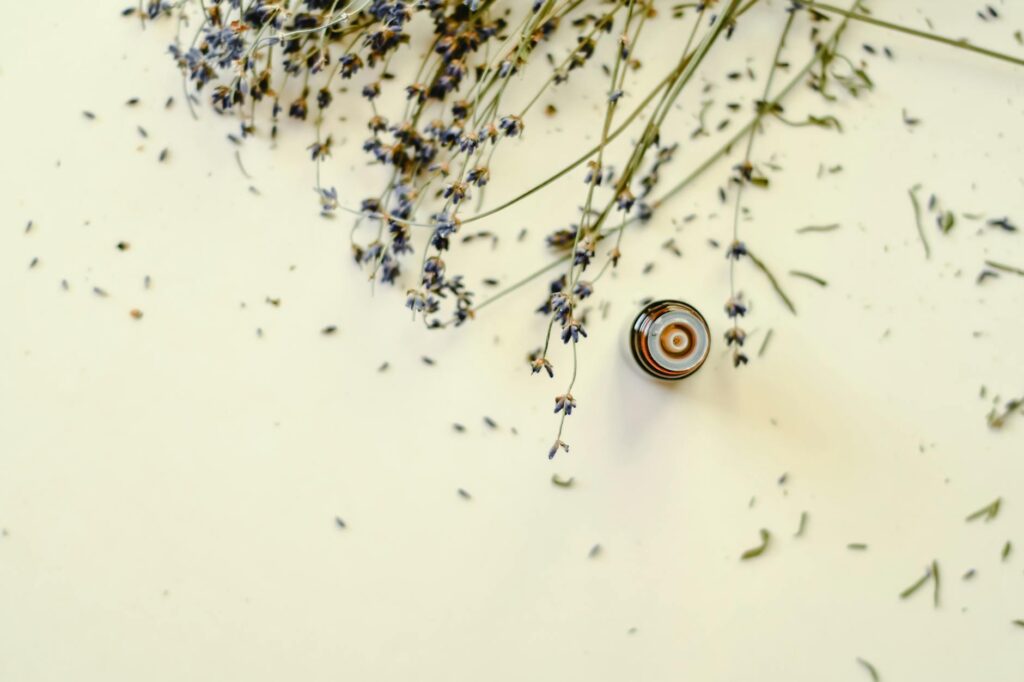
Historically, specific plants have been utilized in various cultures for their calming effects. For example, lavender (Lavandula angustifolia) has been cherished for centuries for its soothing aroma, while chamomile (Matricaria chamomilla) has been a staple in herbal teas for its tranquil properties. The blending of these oils aims to enhance their individual benefits, creating a synergistic effect that can aid in stress relief and emotional balance.
Key Benefits and Properties
Herbal anxiety relief essential oil blends are celebrated for their numerous benefits, which include:
1. Calming Effects: Many essential oils possess sedative properties that help to reduce tension and promote a sense of calm. Lavender and bergamot (Citrus bergamia) are commonly included for their ability to soothe the mind.
2. Mood Enhancement: Certain oils, such as sweet orange (Citrus sinensis) and ylang-ylang (Cananga odorata), are known to uplift mood and alleviate feelings of sadness or irritability.
3. Stress Reduction: Oils like frankincense (Boswellia carterii) and vetiver (Vetiveria zizanoides) can help to ground emotions and provide a sense of stability during stressful situations.
4. Sleep Support: Many blends are formulated with oils that promote restful sleep, making them beneficial for individuals experiencing anxiety-induced insomnia.
5. Holistic Approach: Beyond their physical benefits, essential oils also engage the senses, creating a multi-faceted approach to emotional and mental well-being.
Common Uses
Herbal anxiety relief essential oil blends can be employed in various ways, catering to individual preferences and lifestyles. Common applications include:
1. Diffusion: Using an essential oil diffuser allows the aromas to fill a space, creating a calming atmosphere. This method is particularly effective in shared environments such as homes, offices, or therapy spaces.
2. Topical Application: Blending essential oils with a carrier oil (like jojoba or coconut oil) for topical use can offer localized relief. This can be done through massage or applying the blend to pulse points.
3. Inhalation: Direct inhalation from the bottle or by placing a few drops on a tissue can provide quick relief during stressful moments.
4. Bathing: Adding essential oil blends to a warm bath can enhance relaxation and promote a sense of tranquility.
5. Sleep Aids: Incorporating essential oils into bedtime routines, such as through pillow sprays or linen mists, can help create a peaceful sleeping environment.
Aromatherapy Applications
Aromatherapy, the practice of using essential oils for therapeutic benefits, plays a crucial role in the application of herbal anxiety relief essential oil blends. The olfactory system is closely linked to the limbic system, the part of the brain that regulates emotions. Thus, inhaling essential oils can have immediate effects on mood and mental state.
Techniques for Aromatherapy
1. Inhalation: This can be done through various methods, including direct inhalation, using a diffuser, or placing a few drops on a cotton ball or tissue.
2. Massage: Combining essential oils with carrier oils for massage can enhance relaxation and aid in the release of physical tension.
3. Steam Inhalation: Adding essential oils to a bowl of hot water and inhaling the steam can provide a quick and effective way to experience their calming effects.
4. Meditation and Mindfulness: Incorporating essential oils during meditation can enhance focus and create a serene environment conducive to relaxation.
Safety Considerations
While essential oils offer numerous benefits, it is essential to use them safely. Consider the following guidelines:
1. Dilution: Always dilute essential oils with a carrier oil before applying them to the skin to prevent irritation.
2. Patch Testing: Conduct a patch test on a small area of skin to check for allergic reactions before widespread use.
3. Pregnancy and Nursing: Some essential oils may not be advisable for use during pregnancy or breastfeeding. Consult with a healthcare professional for guidance.
4. Pre-existing Conditions: Individuals with medical conditions or those taking medications should consult a healthcare provider before using essential oils.
5. Quality of Oils: Ensure that the essential oils used are of high quality and sourced from reputable suppliers. Look for oils that are 100% pure and free from synthetic additives.
Storage and Shelf Life
Proper storage of essential oils is crucial to maintain their potency and effectiveness. Here are some key points:
1. Light Protection: Store essential oils in dark glass bottles to protect them from light, which can degrade their quality over time.
2. Cool Temperatures: Keep oils in a cool, dry place, away from direct sunlight and heat sources. High temperatures can alter the chemical composition of the oils.
3. Shelf Life: The shelf life of essential oils varies depending on the type. Generally, citrus oils may have a shelf life of 1-2 years, while woody oils like cedarwood (Cedrus atlantica) can last up to 5 years or more. Regularly check for changes in aroma or color, which may indicate spoilage.
Frequently Asked Questions
1. How do I choose the right essential oil blend for anxiety relief?
Selecting an essential oil blend often depends on personal preferences and individual sensitivities. Consider experimenting with popular oils known for their calming properties, such as lavender, chamomile, and bergamot.
2. Can essential oils replace conventional therapies for anxiety?
While many individuals find relief from anxiety through the use of essential oils, they should not be considered a replacement for professional medical advice or treatment. Always consult a healthcare provider for comprehensive support.
3. How can I incorporate essential oils into my daily routine?
Incorporate essential oils into your daily routine by using a diffuser at home, adding them to your skincare regimen, or including them in relaxation practices like meditation or yoga.
4. Are there any contraindications for using essential oils?
Specific essential oils may not be suitable for individuals with certain medical conditions, pregnant women, or those with allergies. Always consult a healthcare professional if in doubt.
5. Can I make my own herbal anxiety relief blends?
Yes, many individuals enjoy creating their own blends by combining different essential oils. Research the properties of each oil and experiment with ratios to find a blend that works for you.
Conclusion
The history and origins of herbal anxiety relief essential oil blends reveal a rich tapestry of cultural practices and botanical knowledge. As modern interest in holistic wellness grows, these blends continue to offer a natural avenue for promoting emotional well-being. While essential oils can serve as valuable tools for relaxation, they should be used thoughtfully and safely, integrating them into a broader approach to mental health.