
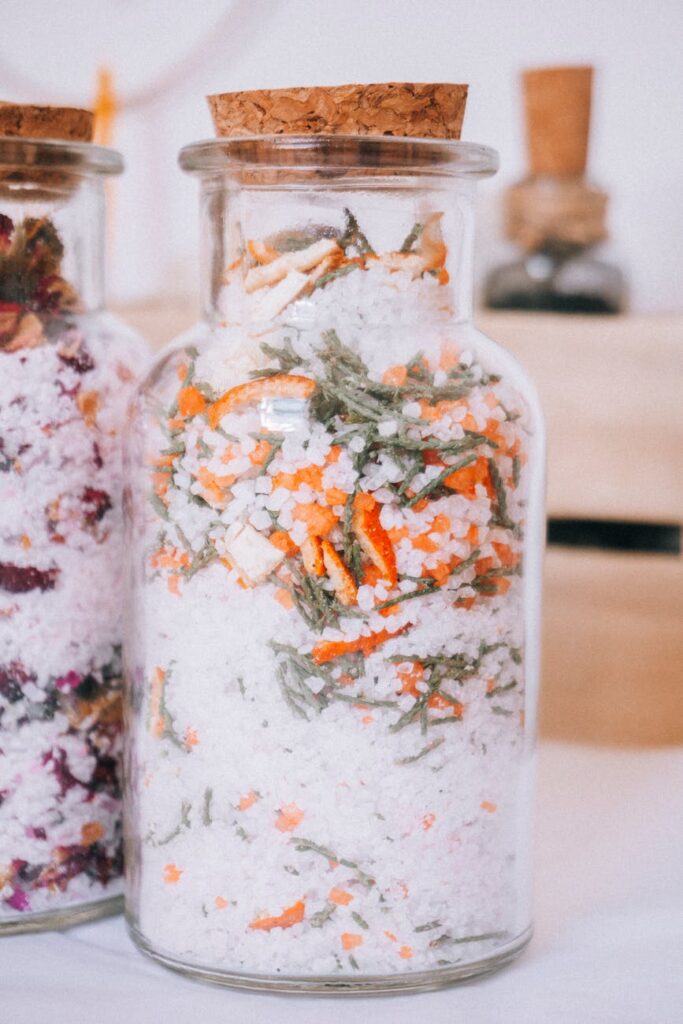
History and Origins of Herbal Bath Salts
Introduction
Herbal bath salts have been cherished for centuries, evolving from ancient practices to contemporary wellness trends. These essential components of personal care rituals not only offer relaxation and rejuvenation but also connect us to a rich history that spans various cultures and eras. This article delves into the fascinating history and origins of herbal bath salts, exploring their composition, benefits, common uses, and more.
What Is Herbal Bath Salts?
Herbal bath salts are typically a blend of mineral salts, essential oils, and herbs designed to enhance the bathing experience. The primary ingredients often include Epsom salt, sea salt, or Himalayan salt combined with dried herbs and botanical extracts. These components work together to create a soothing bath environment, offering both physical and emotional benefits. The use of herbal bath salts is rooted in the tradition of incorporating nature’s bounty into self-care practices.
Key Benefits and Properties
The allure of herbal bath salts lies in their multifaceted benefits:
1. Relaxation: Soaking in warm water enriched with herbal bath salts can induce a state of relaxation, helping to alleviate stress and tension.
2. Muscle Relief: The mineral content, particularly magnesium from Epsom salt, is believed to help soothe sore muscles and reduce inflammation.
3. Skin Care: Many herbs and oils used in bath salts have properties that nourish and rejuvenate the skin, promoting a healthy complexion.
4. Aromatherapy: The essential oils infused in the salts provide aromatic benefits, enhancing mood and emotional well-being.
5. Detoxification: Some proponents suggest that warm baths with mineral salts may assist in detoxifying the body by promoting sweating and cleansing.
Common Uses
Herbal bath salts can be used in various ways:
- Relaxation Baths: A standard use is to add a handful of herbal bath salts to warm water for a calming soak.
- Foot Soaks: They can also be used for foot baths to soothe tired feet and enhance relaxation.
- Spa Treatments: Many spas incorporate herbal bath salts into their treatment offerings, often pairing them with other therapeutic practices.
- Gifts: Homemade herbal bath salts are often given as thoughtful gifts, combining personal touch with wellness.
- Lavender: Known for its calming effects, lavender is often included for its soothing aroma and potential to relieve stress.
- Eucalyptus: This oil is prized for its refreshing scent, which may help clear the mind and promote respiratory health.
- Rose: Often associated with love and beauty, rose essential oil lends a floral note while also benefiting the skin.
- Peppermint: This invigorating oil can provide an uplifting experience, perfect for revitalizing the senses.
- Containers: Store bath salts in airtight containers to prevent moisture absorption, which can lead to clumping and a loss of fragrance.
- Cool, Dark Place: Keep the salts in a cool, dark environment, away from direct sunlight, which may degrade the essential oils over time.
- Shelf Life: Generally, homemade herbal bath salts can last up to six months, while commercially prepared versions may have a longer shelf life. Always check for any changes in color, odor, or texture.
Aromatherapy Applications
The use of essential oils in herbal bath salts ties closely to the principles of aromatherapy. Different essential oils contribute unique properties and aromas. For instance:
When combined, these essential oils not only enhance the bath experience but also allow for tailored aromatherapy benefits based on individual preferences.
Safety Considerations
While herbal bath salts are generally safe for most individuals, there are important considerations to bear in mind:
1. Allergies: Some individuals may be sensitive or allergic to specific herbs or essential oils. It is advisable to perform a patch test before full use.
2. Skin Conditions: Those with skin conditions should consult with a healthcare professional before using herbal bath salts, as certain ingredients may exacerbate issues.
3. Pregnancy and Nursing: Pregnant or nursing individuals should exercise caution and seek guidance regarding the use of essential oils, as some may not be recommended.
4. Children: Special care should be taken when using herbal bath salts for children; it is best to use products specifically formulated for young skin.
Storage and Shelf Life
Proper storage of herbal bath salts is essential to maintain their efficacy and quality. Here are some guidelines:
Frequently Asked Questions
1. How do I use herbal bath salts?
To use herbal bath salts, simply add a handful (or as directed) to warm bathwater and stir until dissolved. Soak for 15-30 minutes for optimal relaxation.
2. Can I make my own herbal bath salts?
Yes, making your own herbal bath salts is a simple process. Combine Epsom salt, sea salt, or Himalayan salt with dried herbs and your choice of essential oils for a personalized blend.
3. Are herbal bath salts safe for all skin types?
While generally safe, individuals with sensitive skin or specific allergies should consult with a healthcare professional before use. A patch test is also recommended.
4. Can I use herbal bath salts during pregnancy?
Pregnant individuals should consult with their healthcare provider regarding the use of essential oils and herbal bath salts, as some ingredients may not be recommended.
5. How often can I use herbal bath salts?
The frequency of use can vary based on personal preference and skin sensitivity. Many people enjoy using them weekly for relaxation, while others may prefer less frequent baths.
Conclusion
Herbal bath salts represent a harmonious blend of history, nature, and well-being. Rooted in ancient practices, these salts have evolved into a cherished element of modern self-care routines. With a variety of benefits, uses, and aromatic applications, they continue to be a source of relaxation and rejuvenation. By understanding their origins and properties, individuals can fully appreciate the therapeutic potential of herbal bath salts, enriching their bathing experience in a meaningful way. Whether used for personal enjoyment or shared as gifts, herbal bath salts offer a timeless connection to the natural world.