
History and Origins of Herbal Calming Essential Oil Blends
Introduction
The use of essential oils for therapeutic purposes can be traced back thousands of years, reflecting a deep interconnection between humans and the natural world. Among the various categories of essential oils, herbal calming blends have garnered significant attention for their soothing properties. This article delves into the history and origins of these blends, exploring how they have evolved over time and their applications in modern aromatherapy.
What Is Herbal Calming Essential Oil Blends?
Herbal calming essential oil blends are combinations of essential oils derived from various plant sources, specifically formulated to promote relaxation and emotional balance. These blends typically include oils from flowers, leaves, and roots known for their calming properties. Common ingredients may include lavender, chamomile, bergamot, and ylang-ylang, among others. The synergy of these oils aims to enhance their individual benefits, creating a holistic approach to emotional well-being.
Key Benefits and Properties
Herbal calming essential oil blends offer a range of benefits that make them popular in aromatherapy practices.
1. Stress Reduction: Many essential oils included in calming blends have been traditionally used to alleviate stress and anxiety. For instance, lavender oil is renowned for its ability to induce relaxation.
2. Sleep Improvement: Certain blends are formulated to assist with sleep disorders. Oils like chamomile and vetiver may contribute to a more restful sleep environment when diffused or applied before bedtime.
3. Mood Enhancement: Aromas from various essential oils can influence mood positively. Citrus oils like bergamot are often included in calming blends to uplift spirits while still promoting tranquility.
4. Physical Relaxation: Some essential oils have muscle-relaxing properties, aiding in relieving physical tension. This can be particularly beneficial in stressful situations or during times of physical strain.
Common Uses
Herbal calming essential oil blends can be utilized in various contexts, depending on individual preferences and needs:
- Diffusion: One of the most common methods of use is through diffusers. Adding a few drops of the blend to a diffuser can create a calming atmosphere in any space.
- Topical Application: When diluted with a carrier oil, herbal blends can be applied to pulse points, chest, or back. This method allows for the absorption of the oil through the skin, enhancing its effects.
- Baths: Adding a few drops of a calming blend to bathwater can create a serene bathing experience, promoting relaxation and tranquility.
- Inhalation: Simply inhaling the aroma directly from the bottle or a cotton ball can provide immediate calming effects.
- Dilution: Essential oils are highly concentrated and should be diluted with a carrier oil for topical application to prevent skin irritation.
- Patch Test: Before applying any new blend to the skin, a patch test is advisable to check for allergic reactions or sensitivities.
- Pregnancy and Nursing: Pregnant or nursing women should consult with a healthcare professional before using essential oils, as some oils may not be safe during these periods.
- Children and Pets: Special care should be taken when using essential oils around children and pets. Some oils may be too potent or potentially harmful.
- Quality of Oils: The efficacy of herbal calming blends greatly depends on the quality of the essential oils used. It is advisable to source oils from reputable suppliers that provide clear labeling and information on purity.
- Storage Conditions: Essential oils should be stored in a cool, dark place away from direct sunlight and heat sources. This helps to preserve their integrity and prolong shelf life.
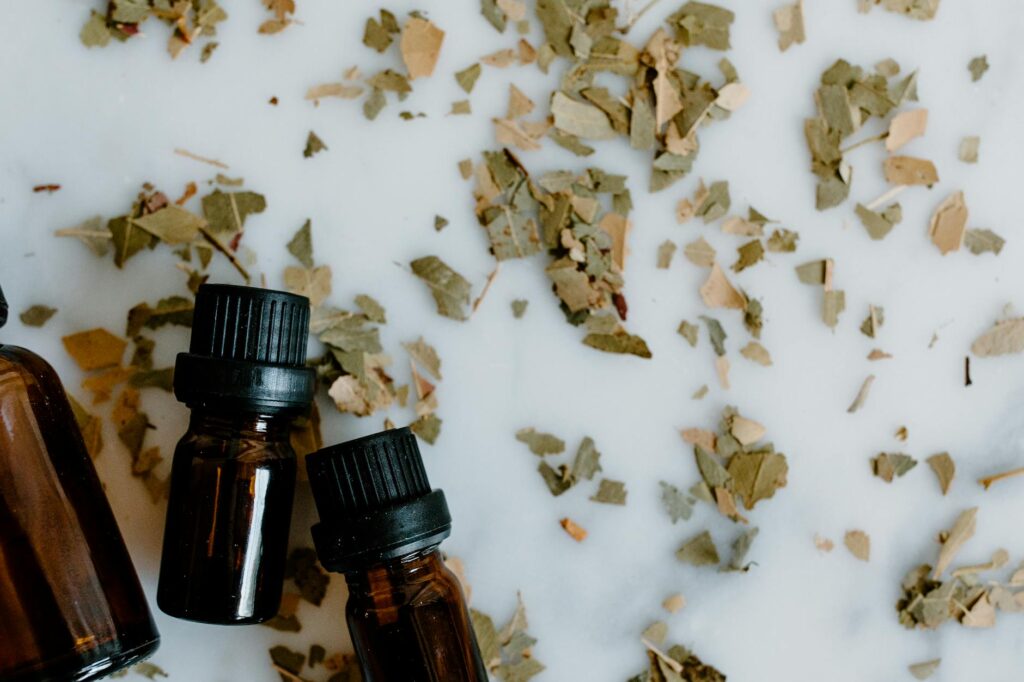
- Containers: It is recommended to keep essential oils in dark glass bottles, as this minimizes exposure to light, which can degrade the oils over time.
- Shelf Life: The shelf life of essential oils varies depending on the type. Generally, citrus oils have a shorter shelf life (about 1-2 years), while oils like vetiver and patchouli can last up to 5 years or more if stored correctly.
Aromatherapy Applications
The application of herbal calming essential oil blends in aromatherapy is extensive, with methods tailored to various environments and needs. Here are several common applications:
1. Home Environment: Diffusing calming blends in living areas can create a peaceful atmosphere, beneficial for family gatherings or personal reflection.
2. Workplace: Many individuals use calming essential oils to mitigate stress in high-pressure work environments. Diffusers or personal inhalers can be employed discreetly at desks.
3. Yoga and Meditation: Integrating calming blends into yoga or meditation practices can enhance the experience, promoting deep relaxation and focus.
4. Massage Therapy: Calming essential oils can be beneficial when used in massage therapy. They not only contribute to relaxation but also enhance the overall sensory experience.
Safety Considerations
While herbal calming essential oil blends are generally regarded as safe for use, it is essential to observe certain precautions:
Storage and Shelf Life
Proper storage is crucial to maintaining the efficacy of herbal calming essential oil blends:
Frequently Asked Questions
1. What are the most popular essential oils in calming blends?
Common essential oils found in calming blends include lavender, chamomile, bergamot, ylang-ylang, and frankincense. Each oil contributes unique properties that enhance relaxation.
2. Can I create my own calming blend?
Yes, creating your own calming blend is possible. Start with a base oil, such as lavender or chamomile, and experiment by adding a few drops of other oils to find a combination that resonates with you.
3. How do I use calming blends for anxiety?
Calming blends can be used in various ways, such as diffusing, topical application, or inhalation. It is important to find the method that works best for you.
4. Are herbal calming essential oil blends safe for pets?
While some essential oils are safe for pets, many can be harmful. It is crucial to research specific oils and consult with a veterinarian before use around animals.
5. How often can I use calming essential oils?
The frequency of use can vary based on individual preference. It is generally safe to use these blends daily, but it is advisable to listen to your body and adjust accordingly.
Conclusion
The history and origins of herbal calming essential oil blends reflect a rich tradition of utilizing nature for emotional and physical well-being. Today, these blends continue to find their place in modern aromatherapy, offering a pathway to relaxation and tranquility in an increasingly fast-paced world. As we continue to explore and appreciate the benefits of essential oils, the importance of understanding their properties, applications, and safety will remain paramount.