
History and Origins of Herbal Compresses
Introduction
Herbal compresses are a traditional form of therapy that has been utilized across numerous cultures for centuries. These compresses harness the healing properties of various herbs and plants, combining them with moist heat to provide relief and comfort. The practice of using herbal compresses is deeply rooted in ancient healing traditions, making it a topic of interest for those exploring natural remedies and holistic health.
What Are Herbal Compresses?
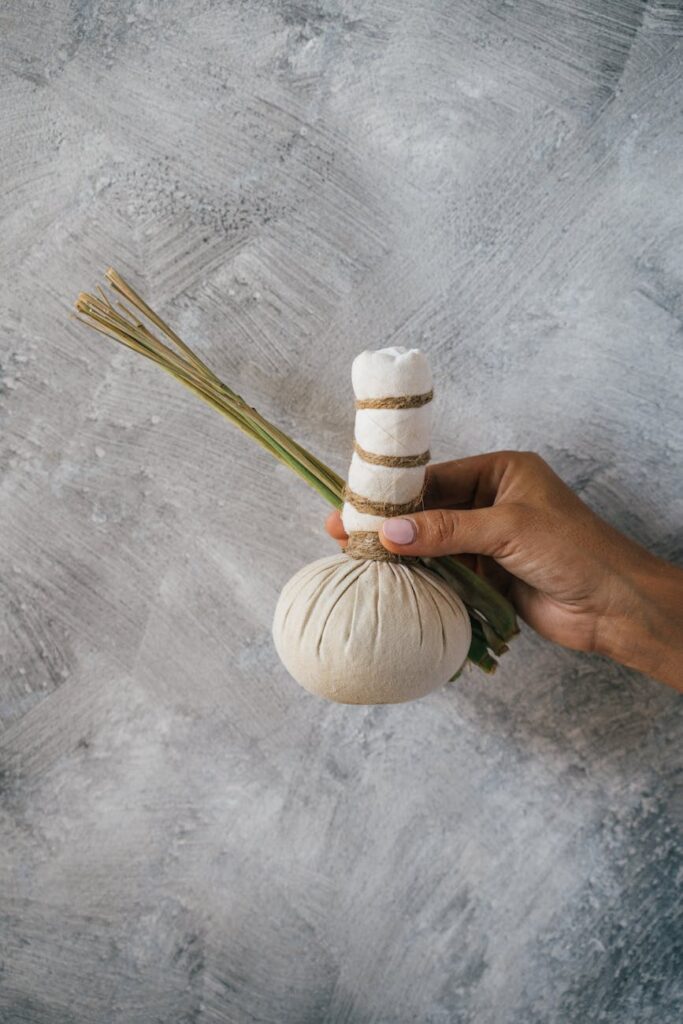
Herbal compresses are bundles or pouches filled with a variety of herbs, which are then steamed or soaked in a liquid. Once prepared, these compresses are typically applied to the skin or specific body areas. The heat from the compress helps to release the therapeutic properties of the herbs, which are absorbed through the skin or inhaled as steam. This method not only delivers the benefits of the herbs but also promotes relaxation and relief from tension.
Types of Herbal Compresses
There are two primary types of herbal compresses:
1. Dry Compresses: These involve wrapping dried herbs in a cloth and applying them directly to the skin. They are often used for localized targeting of muscle tension.
2. Wet Compresses: These are created by soaking herbs in hot water or a herbal infusion, which is then applied to the skin using a cloth. Wet compresses are particularly effective for their soothing and hydrating properties.
Key Benefits and Properties
Herbal compresses offer a range of benefits, primarily linked to the properties of the herbs used. Some key benefits include:
- Pain Relief: Many herbs have analgesic properties that can help alleviate pain associated with muscle strains, arthritis, and other conditions.
- Relaxation: The warmth of the compress promotes relaxation of muscles and eases tension, making it a popular choice for stress relief.
- Improved Circulation: The heat from the compress can enhance blood flow to the area, aiding in the delivery of oxygen and nutrients to tissues.
- Anti-inflammatory Effects: Certain herbs contain compounds that help reduce inflammation, making herbal compresses useful for conditions like sprains or arthritis.
- Skin Benefits: Herbal compresses can also assist in treating skin conditions, soothing irritations, and promoting healing.
- Muscle Relief: Often used by athletes or individuals with physical labor jobs to relieve muscle soreness and stiffness.
- Stress Reduction: Frequently employed in spa settings or during massage therapy to enhance relaxation.
- Menstrual Discomfort: Used to alleviate cramps and discomfort associated with menstruation.
- Skin Conditions: Herbal compresses can be beneficial for treating minor burns, rashes, or other skin irritations.
- Respiratory Support: Inhaling steam from herbal compresses can assist in clearing nasal passages and improving respiratory function.
- Lavender: Known for its calming properties, lavender oil can enhance relaxation and reduce anxiety.
- Peppermint: Often used for its cooling effect, peppermint oil can provide relief from headaches and muscle tension.
- Eucalyptus: This oil is commonly used for its decongestant properties, making it beneficial for respiratory issues.
- Chamomile: Renowned for its soothing effects, chamomile oil can help with stress and promote restful sleep.
- Allergies: Always check for potential allergic reactions to the herbs and essential oils used. Conduct a patch test on a small area of skin before full application.
- Temperature: Ensure that the compress is not too hot to avoid burns or skin irritation. A comfortable temperature should be maintained.
- Pregnancy and Health Conditions: Individuals who are pregnant, nursing, or have specific health conditions should consult a qualified practitioner before using herbal compresses, especially those infused with essential oils.
- Fresh Herbal Compresses: These should ideally be used immediately after preparation. If stored, they can be kept in the refrigerator for up to 24 hours.
- Dried Herbal Compresses: Dried herbs should be stored in a cool, dark place, preferably in an airtight container to prevent moisture and loss of potency. They can last for several months to a year, depending on the herb.
- Infused Oils: If using infused oils, store them in dark glass bottles away from direct sunlight to prolong shelf life.
Common Uses
The applications of herbal compresses are diverse and can vary based on cultural practices. Some common uses include:
Aromatherapy Applications
Incorporating aromatherapy into herbal compresses can amplify their therapeutic effects. Essential oils derived from plants can be added to the herbal mixture, enhancing the aroma and therapeutic properties. Common essential oils used in conjunction with herbal compresses include:
When using essential oils, it is crucial to dilute them appropriately and consider individual sensitivities and allergies.
Safety Considerations
While herbal compresses are generally considered safe, there are several factors to keep in mind:
Storage and Shelf Life
The longevity of herbal compresses depends on the materials used and the method of preparation. Here are some general guidelines:
Frequently Asked Questions
1. How do I make a herbal compress at home?
To make a herbal compress, gather your desired herbs, wrap them in a cloth, and steam or soak them in hot water. Once heated, apply the compress to the affected area.
2. How long should I leave a herbal compress on?
A herbal compress can generally be left on for 15-30 minutes, depending on individual comfort and the treatment area.
3. Can I reuse herbal compresses?
It is advisable to use fresh herbs for each compress. Reusing herbal compresses may lead to bacterial growth and a loss of potency.
4. What herbs are commonly used in herbal compresses?
Common herbs include chamomile, lavender, ginger, peppermint, and eucalyptus. The choice of herbs depends on the desired therapeutic effects.
5. Are there any contraindications for using herbal compresses?
Yes, individuals with certain health conditions or allergies should exercise caution and consult a healthcare professional before using herbal compresses, particularly those infused with essential oils.
Conclusion
Herbal compresses are a testament to humanity’s enduring connection with nature and the therapeutic properties of plants. Their rich history and diverse applications highlight the importance of traditional healing practices in contemporary wellness. By understanding their origins, benefits, and proper usage, individuals can integrate herbal compresses into their holistic health routines, fostering a deeper appreciation for natural remedies.