
History and Origins of Herbal Essential Oils
Introduction
Herbal essential oils have captivated human interest for thousands of years, serving not only as fragrant enhancements but also as integral components of cultural practices, medicinal remedies, and spiritual rituals. The history of these oils intertwines with the development of human civilization, showcasing a blend of tradition, science, and artistry. This article explores the origins, benefits, uses, and safety considerations of herbal essential oils, providing a comprehensive overview of their storied past and contemporary applications.
What Is Herbal Essential Oils?
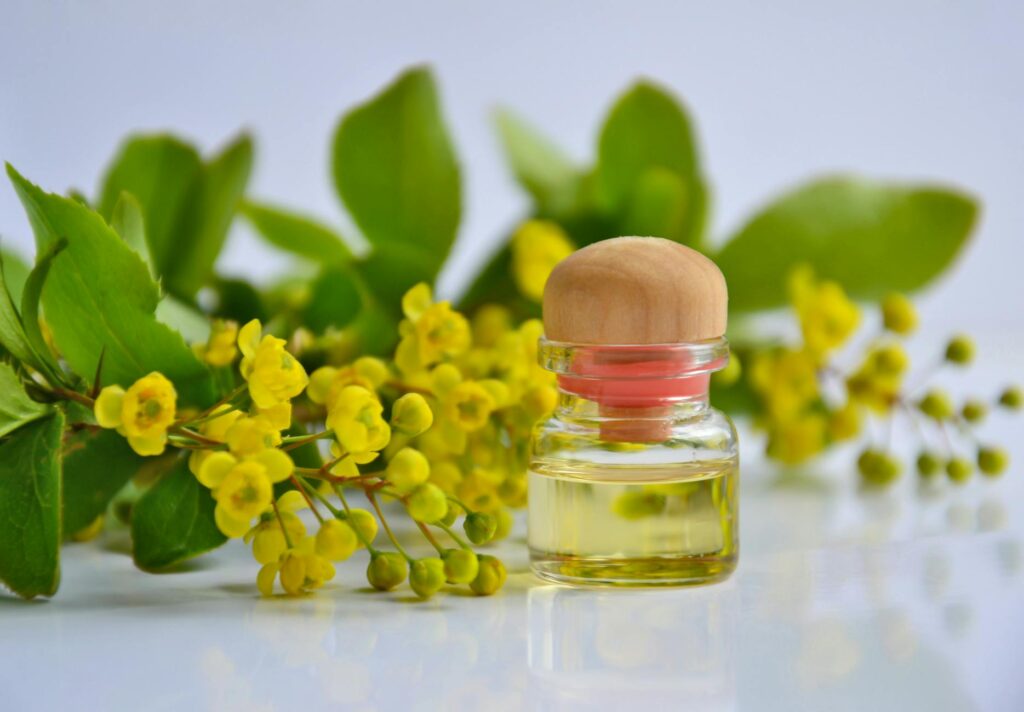
Herbal essential oils are concentrated extracts derived from various parts of plants, including leaves, flowers, stems, bark, and roots. These oils capture the plant’s natural fragrance and essence, resulting from complex chemical compounds that contribute to their aromatic properties. The extraction methods commonly employed include steam distillation, cold pressing, and solvent extraction, each with its advantages and limitations.
Essential oils differ from other plant extracts due to their volatility and potent aroma. While herbal teas or tinctures may provide some benefits, essential oils are typically much more concentrated, requiring careful handling and application.
Key Benefits and Properties
Herbal essential oils possess a multitude of properties that make them valuable in various contexts. These oils are often categorized by their therapeutic effects, which may include:
1. Antimicrobial Properties: Many essential oils exhibit antibacterial, antifungal, and antiviral qualities, making them useful for various applications.
2. Anti-inflammatory Effects: Certain oils can help reduce inflammation, providing relief from discomfort and promoting healing.
3. Mood Enhancement: The aromatic compounds in essential oils can positively influence psychological well-being, contributing to relaxation and stress relief.
4. Digestive Support: Some essential oils may aid in digestion and alleviate digestive discomfort.
5. Skin Benefits: Used topically, certain oils can help improve skin conditions and enhance overall complexion.
Common Uses
The versatility of herbal essential oils allows for a broad range of applications, including:
1. Cosmetics and Skincare: Essential oils are commonly found in skincare products due to their aromatic and therapeutic properties. Lavender, tea tree, and frankincense are popular choices for various skin concerns.
2. Household Cleaning: Many essential oils possess antimicrobial properties, making them effective ingredients in natural cleaning products. Oils like lemon and eucalyptus are often used for their refreshing scents and cleaning power.
3. Culinary Uses: Certain essential oils, such as peppermint and lemon, can be used to enhance the flavor of foods and beverages. However, they should be used cautiously and in small amounts due to their potency.
4. Perfumes and Fragrances: The fragrance industry heavily relies on essential oils, which provide depth and complexity to perfumes and scented products.
5. Massage and Body Care: Essential oils are widely used in massage therapy, where they can enhance relaxation and promote a sense of well-being.
Aromatherapy Applications
Aromatherapy is the practice of using essential oils for therapeutic benefits, often through inhalation or topical application. This holistic approach aims to improve mental, emotional, and physical health. The application of essential oils in aromatherapy can be categorized into several methods:
1. Diffusion: Essential oils can be diffused into the air using a diffuser, allowing their aroma to fill a space and affect mood and ambiance.
2. Inhalation: Direct inhalation involves smelling the oils from the bottle or adding a few drops to a cotton ball or tissue to experience their aroma.
3. Topical Application: Essential oils can be diluted with carrier oils (such as jojoba or sweet almond oil) for safe application on the skin. This method may enhance therapeutic effects directly at the site of application.
4. Bathing: Adding essential oils to bathwater can create a soothing environment, allowing for both physical and emotional benefits.
5. Compresses: A cloth soaked in a diluted essential oil solution can be applied to specific areas of the body to relieve tension or discomfort.
Safety Considerations
While herbal essential oils offer numerous benefits, their potency necessitates cautious use. Here are some safety considerations to keep in mind:
1. Dilution: Essential oils should be diluted with a carrier oil before topical application to prevent skin irritation or adverse reactions.
2. Allergies and Sensitivities: Individuals may have allergic reactions or sensitivities to certain essential oils. Conducting a patch test before widespread use is advisable.
3. Pregnancy and Nursing: Some essential oils are not recommended for use during pregnancy or breastfeeding. It is essential to consult with a healthcare professional for guidance.
4. Children and Pets: Certain essential oils can be harmful to children and pets. Always research specific oils and their safety for use around them.
5. Quality and Purity: The quality of essential oils can vary significantly. It is crucial to source oils from reputable suppliers and check for purity and authenticity.
Storage and Shelf Life
Proper storage is vital for maintaining the integrity and efficacy of herbal essential oils. Here are some guidelines:
1. Cool, Dark Place: Store essential oils in a cool, dark location away from direct sunlight and heat, which can degrade their quality.
2. Tightly Sealed Containers: Ensure bottles are tightly sealed to prevent oxidation and evaporation.
3. Shelf Life: While some essential oils can last for several years, others may have a shorter shelf life. Citrus oils, for instance, tend to have a shorter duration due to their chemical composition.
4. Expiration Signs: Pay attention to changes in smell, color, or consistency, which may indicate that an oil has gone bad.
Frequently Asked Questions
1. How are essential oils extracted?
Essential oils are extracted using various methods, including steam distillation, cold pressing, and solvent extraction. Steam distillation is the most common method, where steam passes through plant material, carrying volatile compounds that are then condensed back into liquid form.
2. Can I ingest essential oils?
While some essential oils are safe for culinary use, many are not intended for ingestion. Always consult with a qualified expert before considering internal use, as improper consumption can lead to adverse effects.
3. Are all essential oils safe for children?
Not all essential oils are safe for children. Some oils can be too potent or irritating for young skin. Always research specific oils and consult with healthcare professionals for guidance on safe usage.
4. What is the difference between essential oils and fragrance oils?
Essential oils are natural extracts from plants, while fragrance oils are synthetic compounds designed to mimic scents. Essential oils carry the plant’s therapeutic properties, whereas fragrance oils do not.
5. How do I choose high-quality essential oils?
To ensure quality, purchase essential oils from reputable suppliers who provide information on purity, sourcing, and extraction methods. Look for certifications or labels that indicate the oil’s authenticity.
Conclusion
The history and origins of herbal essential oils reveal a rich tapestry of cultural significance and practical applications. From ancient civilizations to modern holistic practices, these oils continue to play a vital role in various aspects of life. Understanding their properties, uses, and safety considerations can empower individuals to explore the fascinating world of herbal essential oils thoughtfully and responsibly. As you delve into this aromatic journey, remember to appreciate the natural wonders encapsulated in every drop.