
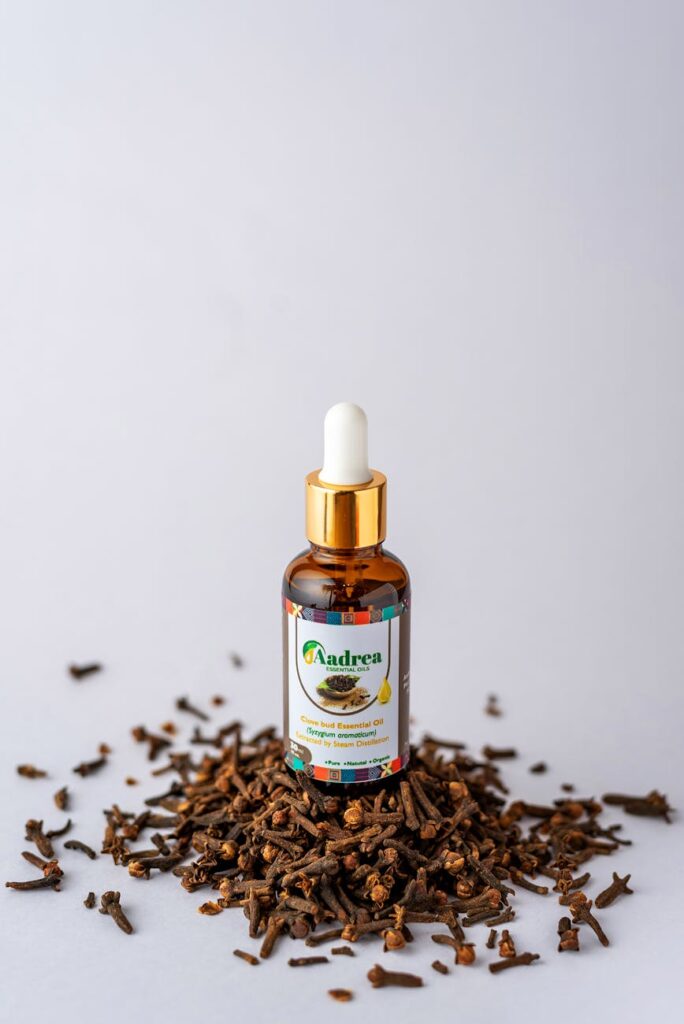
History and Origins of Herbal Extracts
Introduction
Herbal extracts have been utilized for centuries across various cultures as a means to harness the therapeutic properties of plants. From ancient civilizations to modern-day practices, the art of extracting and using the beneficial components of herbs has evolved significantly. This article explores the history and origins of herbal extracts, detailing their benefits, applications, and safety considerations.
What Are Herbal Extracts?
Herbal extracts are concentrated solutions derived from plants, primarily created to capture their essential compounds. These extracts can be produced through various methods, including steam distillation, cold pressing, or solvent extraction. Depending on the technique used, herbal extracts can vary in potency and composition, allowing them to serve a wide range of purposes.
Types of Herbal Extracts
1. Essential Oils: These are volatile aromatic compounds extracted from various parts of the plant, including leaves, flowers, stems, and roots. They are highly concentrated and are often used in aromatherapy and cosmetic formulations.
2. Tinctures: Typically made by soaking plant material in alcohol or vinegar, tinctures are liquid extracts that retain the therapeutic properties of the herb.
3. Infusions: These are made by steeping herbs in water, similar to brewing tea. Infusions can be consumed or used topically.
4. Decoctions: Involves boiling harder plant materials, such as roots or bark, to release their active compounds.
5. Powders: Dried herbs can be ground into powder, retaining their properties and allowing for easy incorporation into various applications.
Key Benefits and Properties
Herbal extracts are celebrated for their diverse range of benefits. While specific effects can vary based on the plant and extraction method, some common properties include:
1. Antioxidant: Many herbal extracts are rich in antioxidants, which help combat oxidative stress and protect cells from damage.
2. Anti-inflammatory: Certain extracts possess anti-inflammatory properties, aiding in the reduction of swelling and discomfort.
3. Antimicrobial: Some herbal extracts have natural antimicrobial effects, making them useful in inhibiting the growth of bacteria and fungi.
4. Relaxation and Stress Relief: Many essential oils are known for their calming effects, helping to alleviate stress and anxiety.
5. Digestive Support: Various herbal extracts can aid digestive health, promoting balance and comfort.
Common Uses
The versatility of herbal extracts allows them to be used in a myriad of applications, including:
1. Cosmetics and Skincare: Essential oils and herbal extracts are commonly incorporated into beauty products for their beneficial properties and pleasant aromas. They can provide hydration, anti-aging benefits, and skin-soothing effects.
2. Household Products: Natural cleaning products often include herbal extracts for their antimicrobial properties and pleasant scents.
3. Culinary Uses: Herbs and their extracts are used in cooking to enhance flavors and provide health benefits. Culinary herbs such as basil, oregano, and rosemary bring distinct flavors and aromas to dishes.
4. Perfumes and Fragrances: The fragrance industry heavily relies on essential oils to create perfumes and scented products, offering both aesthetic and emotional benefits.
5. Herbal Teas and Supplements: Many herbal extracts are consumed in the form of teas or dietary supplements, supporting overall wellness.
Aromatherapy Applications
Aromatherapy is a holistic practice that utilizes essential oils and herbal extracts to promote physical and emotional well-being. The practice dates back thousands of years and has been embraced by various cultures.
How Aromatherapy Works
Aromatherapy is based on the principle that certain scents can evoke specific emotional and physical responses. When inhaled, the aromatic compounds in essential oils stimulate the olfactory system, which is closely linked to the limbic system—the part of the brain responsible for emotions and memory.
Popular Essential Oils in Aromatherapy
1. Lavender: Known for its calming properties, lavender is often used to reduce anxiety and improve sleep quality.
2. Peppermint: This invigorating oil is commonly employed to enhance focus and alleviate headaches.
3. Eucalyptus: With its refreshing scent, eucalyptus is often used to support respiratory health.
4. Tea Tree: Renowned for its antimicrobial properties, tea tree oil is frequently used in skincare, particularly for acne.
5. Lemon: This uplifting oil is often used to boost mood and enhance concentration.
Safety Considerations
While herbal extracts offer numerous benefits, it is essential to approach their use with caution. Here are some important safety considerations:
1. Dilution: Essential oils should always be diluted in a carrier oil before being applied to the skin to prevent irritation.
2. Allergic Reactions: Individuals should conduct a patch test before using a new herbal extract to check for allergic reactions.
3. Pregnancy and Nursing: Certain herbal extracts may not be safe for pregnant or nursing mothers. Consulting with a healthcare professional is advisable in these cases.
4. Children and Pets: Some essential oils can be harmful to children and pets. It is essential to research the safety of specific extracts before use.
5. Quality and Purity: Not all herbal extracts are created equal. It is crucial to source products from reputable suppliers to ensure quality and purity.
Storage and Shelf Life
Proper storage is vital to maintaining the integrity and effectiveness of herbal extracts. Here are some guidelines:
1. Cool, Dark Place: Store essential oils and herbal extracts in a cool, dark location to prevent degradation from heat and light.
2. Tightly Sealed Containers: Ensure that containers are tightly sealed to avoid exposure to air, which can lead to oxidation.
3. Expiration Dates: Most essential oils have a shelf life of 1 to 3 years, while tinctures may last longer if stored properly. Always check for expiration dates and signs of spoilage.
4. Labeling: Clearly label all extracts with the date they were opened and their expiration date to ensure proper usage.
Frequently Asked Questions
1. Can I ingest herbal extracts?
While some herbal extracts are safe for consumption, such as herbal teas and tinctures, others, particularly essential oils, may not be safe to ingest without professional guidance. Always consult a healthcare professional before consuming herbal extracts.
2. How do I choose the right herbal extract for my needs?
Choosing the right herbal extract depends on your specific needs and preferences. Research the properties and benefits of various herbs, and consider consulting an herbalist or aromatherapist for personalized recommendations.
3. Are there any side effects associated with herbal extracts?
While herbal extracts can be beneficial, they may also cause side effects in some individuals, particularly if used improperly. Always conduct a patch test and consult a healthcare professional if you have concerns about potential interactions with medications or underlying health conditions.
4. How can I incorporate herbal extracts into my daily routine?
Herbal extracts can be easily integrated into various aspects of daily life, including skincare routines, cooking, and aromatherapy practices. Experiment with different applications to discover what works best for you.
5. Are there any specific certifications I should look for when purchasing herbal extracts?
When purchasing herbal extracts, look for products that have been tested for purity and quality. Certifications from organizations such as the United States Pharmacopeia (USP) or the International Organization for Standardization (ISO) can provide assurance of quality.
Conclusion
The history and origins of herbal extracts reveal a rich tapestry of traditional wisdom and modern knowledge. As we continue to explore the benefits and applications of these natural products, it is essential to approach them with respect and understanding. From aromatherapy to skincare, herbal extracts offer a myriad of possibilities, inviting individuals to connect with the healing power of nature.